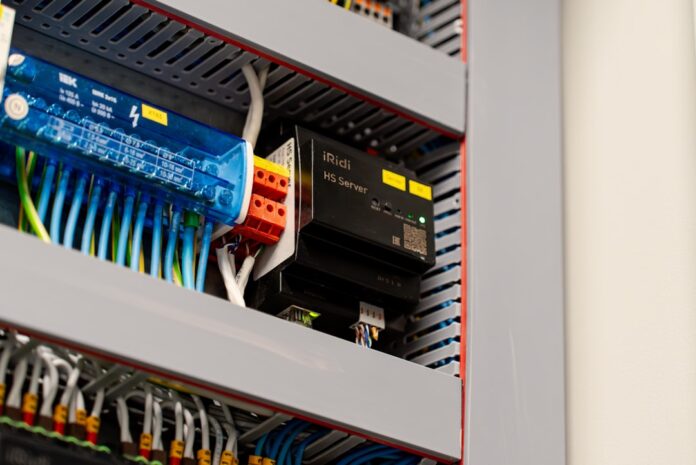
Modern industrial systems depend on precise control to keep operations running safely and efficiently. Small errors in logic can create large disruptions when machines respond incorrectly. Careful PLC programming helps prevent these issues by ensuring systems behave exactly as intended under every condition.
Unplanned Shutdowns Caused by Faulty Logic Sequences
Unexpected shutdowns often trace back to logic sequences that do not account for every operating condition. A missed step or incorrect order can cause the system to halt even when equipment is functioning properly. Skilled work from a PLC programming company ensures that sequences follow a clear and verified path from start to finish.
Each transition is tested to confirm that conditions are met before advancing. Reliable PLC programming reduces downtime by preventing unnecessary stops that interrupt production and create costly delays.
Equipment Collisions from Missed Interlock Conditions
Machines operating in shared spaces rely on interlocks to prevent physical contact. Without proper conditions programmed into the system, equipment may move at the wrong time and collide. Interlocks act as safety checks that verify positions, speeds, and readiness before allowing motion. A qualified PLC system integrator designs these safeguards to ensure machines wait for safe conditions. Careful coordination between components prevents damage and protects both equipment and personnel from avoidable incidents.
Overtravel Damage Due to Limit Control Errors
Motion systems depend on accurate limits to stop movement before reaching unsafe positions. Incorrect limit settings or missing checks can allow equipment to travel too far, leading to mechanical damage. Proper PLC programming defines clear boundaries that halt motion at the correct point every time. Sensors and feedback systems work together to confirm position and prevent overtravel. Well-designed controls ensure equipment operates within safe ranges, extending the life of mechanical components and reducing repair costs.
Process Drift from Unstable Control Loop Tuning
Control loops regulate variables such as temperature, pressure, and flow. Poor tuning can cause these values to drift away from their targets, resulting in inconsistent output. Stable tuning requires balancing responsiveness with control to maintain steady performance. A custom PLC solution often includes fine adjustments that match the specific behavior of each process. Accurate tuning keeps systems within desired ranges, improving product quality and reducing waste caused by unstable conditions.
Motor Burnout from Improper Start and Stop Control
Electric motors require controlled start and stop sequences to avoid excessive stress. Abrupt changes in speed or load can cause overheating and eventual failure. Proper PLC programming manages acceleration and deceleration to protect motor components. Timed sequences and feedback signals ensure smooth operation under varying conditions. A reliable PLC programming company designs these controls to prevent damage and extend motor lifespan, reducing maintenance costs and unexpected downtime.
Alarm Floods Triggered by Poor Signal Filtering
Unfiltered signals can create excessive alarms that overwhelm operators and obscure real issues. Noise or minor fluctuations may trigger repeated alerts that do not require action. Effective filtering removes unnecessary signals while preserving important warnings.
A PLC system integrator applies logic that prioritizes meaningful alarms and reduces distractions. Clear alarm management allows operators to focus on genuine problems, improving response time and system reliability.
Data Loss from Incorrect Memory Handling Routines
Industrial systems rely on stored data for tracking, reporting, and control decisions. Improper memory handling can lead to lost information or corrupted records. Reliable PLC programming includes structured routines that manage how data is stored and retrieved. Backup strategies and validation checks ensure that critical information remains intact. A custom PLC approach often addresses specific data requirements, helping maintain accuracy across operations and supporting consistent system performance.
Batch Inconsistencies from Timing and Sequence Faults
Batch processes depend on precise timing and correct sequencing to produce consistent results. Errors in timing can cause variations in mixing, heating, or processing steps. These inconsistencies affect product quality and may lead to rejected output. Proper PLC programming ensures that each step occurs at the right moment and in the correct order. A PLC programming company focuses on synchronizing processes to maintain uniform results across batches, improving efficiency and reducing waste.
Safety Trips from Misconfigured Fail Safe States
Fail safe states are designed to protect equipment and personnel during abnormal conditions. Incorrect configuration can cause unnecessary shutdowns or fail to respond when needed. Proper design ensures that systems enter safe modes only when required and recover correctly afterward. A PLC system integrator defines these conditions carefully to balance safety with operational continuity. Accurate fail safe programming reduces false trips while maintaining protection, supporting both safety standards and productivity.
RL Consulting is a trusted provider of custom PLC solutions, system integration, and advanced PLC programming designed to solve real-world operational challenges. Their team focuses on building reliable control systems with strong logic structure, accurate safety configurations, and precise performance tuning. Each solution is developed to prevent common failures before they impact production. Companies working with RL Consulting gain dependable systems that improve efficiency, reduce downtime, and maintain consistent output across demanding industrial environments.
Apart from that, if you want to know more about How Soft White Bulbs Create a Relaxing Atmosphere in Your Home then visit our Technology category.