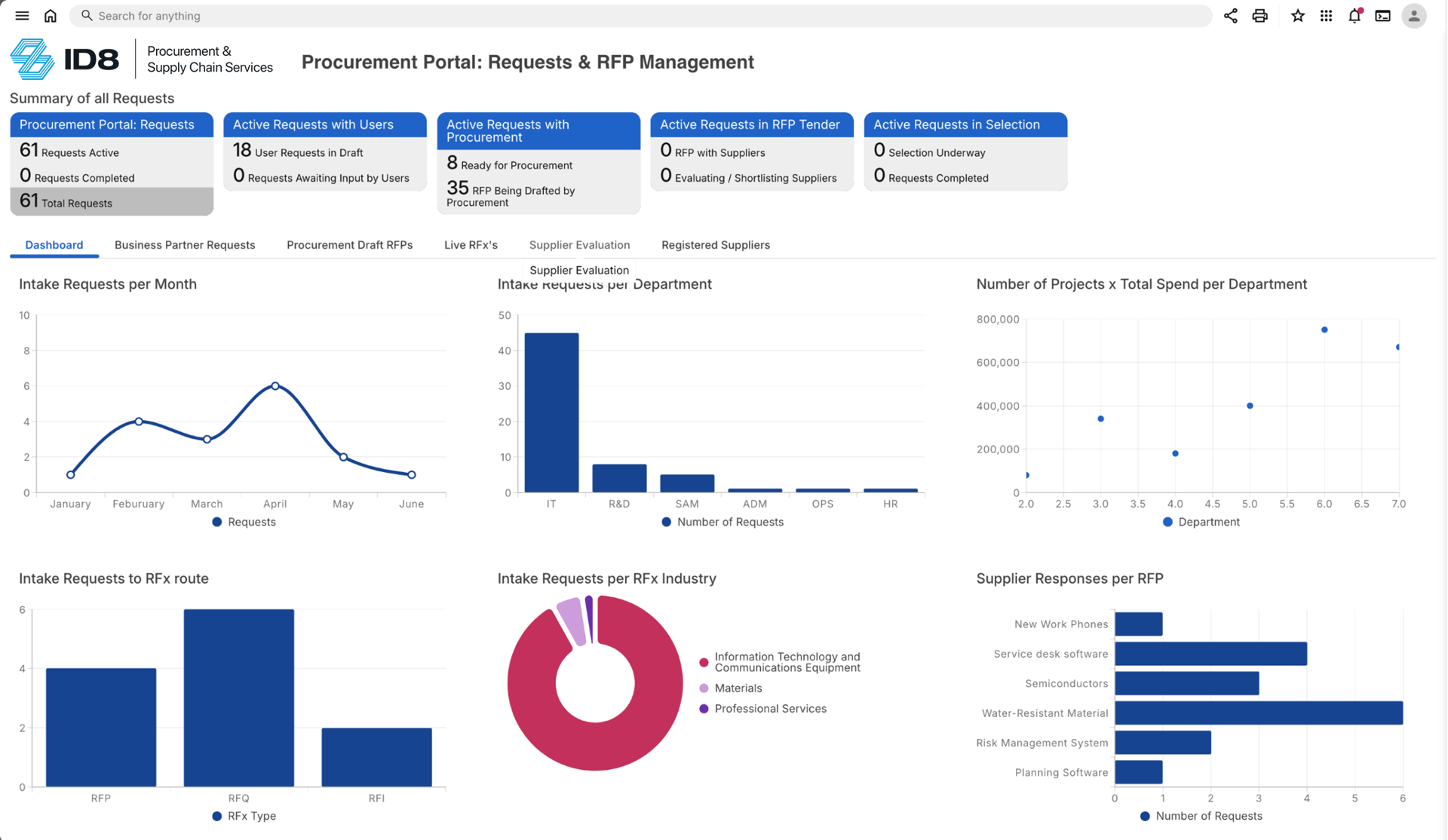
When digital transformation is revolutionizing each aspect of corporate activities, procurement has not escaped the influence of technological advancements. The world is moving away from the traditional paper-based procurement methods to sophisticated ones, which provide greater control and efficiency. This trend is not a temporary trend, but a radical change in the way business entities undertake the process of purchasing. Since companies desire to improve purchasing efficiency with maintenance of compliance and transparency, the concept of procurement platform has massive demand. From straightforward ordering platforms, these digital solutions have developed into all-inclusive company tools that combine several tasks under one roof. It is now crucial for contemporary business executives to comprehend what these platforms provide and how they operate.
Definition and Core Purpose of Procurement Platforms
A procurement platform is an all-inclusive digital solution that automates and centralizes an organization’s complete purchasing procedure. Imagine it as an online marketplace where staff members may peruse, choose, and place orders for goods and services from authorized vendors while ensuring appropriate supervision and management. The conventional annoyances of manual purchase, such as paper forms, phone calls, and email chains, are eliminated by these platforms. They bring together buyers, suppliers, and approving authorities in one system, and they are a one point of all operations of procurement. The primary goal is to provide compliance with the corporate norms and laws and make the process of purchase faster, more transparent, and less expensive.
Digital Transformation of Traditional Buying Methods
Traditional procurement systems were characterized by long paper trails, physical approvals, and distorted communication channels, which caused errors and inefficiencies. Procurement platforms change this strategy and digitize the entire purchasing cycle. Instead of filling paper requisition forms, employees will be able to request using simple web interfaces. Electronic approvals are made with automatic alerting instead of waiting for the physical signature. Emails and phone conversations are replaced with integrated messaging systems for supplier communications. This digital transition avoids wasted paperwork, cuts down on processing time from weeks to hours, and gives real-time purchase status information. As a consequence, the purchasing process is more dependable, responsive, and efficient, satisfying the needs of contemporary companies.
Centralized Catalog Management and Product Discovery
The capacity of procurement systems to compile offers from many vendors into unified product catalogs is one of their most useful characteristics. Employees may search for specific things, compare possibilities, and obtain complete product information using these computerized catalogs, which operate similarly to extensive web storefronts. By keeping thousands of goods’ prices, availability, and specs current, the platform removes the need to request quotations from different providers. Users may select results by category, price range, provider, or particular requirements using advanced search options. This centralized strategy lowers maverick expenditure and increases purchasing compliance throughout the company by guaranteeing that staff members always have access to authorized items at negotiated pricing.
Automated Workflow Management and Approval Processes
Procurement platforms are excellent at handling intricate approval processes that change according to department, category, or purchase quantity. Using preset rules and hierarchies, the system automatically forwards purchase requests to the relevant parties. Smaller purchases, for instance, could simply need supervisory permission, whereas bigger investments require many layers of authorization. The software also allows users to have a clear idea of the requests in the approval process, follow every stage of the approval process, and reminds users automatically to prevent delays. This automation reduces the time needed to process, eliminates any likelihood of missing crucial details, and chokes that are often experienced in processing where human beings are involved. This has the effect of stabilizing the efficiency of corporate activity as the purchasing process becomes more predictable, streamlined, and generally much easier.
Real-Time Spending Visibility and Budget Control
With their extensive dashboards and reporting capabilities, contemporary procurement systems offer previously unheard-of insight into corporate spending trends. Better financial control and decision-making are made possible by the ability for users to monitor real-time expenditure data that is broken down by department, category, supplier, or time period. In order to avoid expensive overruns, budget tracking tools notify management when expenditure gets close to preset thresholds. Spending limits can be automatically enforced by the platform, which can also flag requests for special review or reject those that exceed permitted budgets. Trends and patterns found in historical spending research can guide future budget planning and negotiating tactics. Organizations may maximize their procurement expenditures while upholding fiscal discipline and advancing strategic business goals with the support of this degree of financial openness.
Also Read: How Real-Time Data Drives Smart Manufacturing
Supplier Relationship Management and Performance Tracking
Procurement success depends on efficient supplier management, and procure to pay systems offer strong capabilities for handling these connections. The system keeps track of thorough supplier profiles that contain contact details, contract conditions, performance indicators, and compliance records. Performance tracking features monitor service levels, quality ratings, and delivery schedules and provide objective details to evaluate the suppliers. The platform can automatically create performance reports indicating the highest performing vendors and identifying those that require some enhancements. Communication technologies facilitate direct communication between the customer and suppliers and also accelerate discussions and the settlement of problems. Stronger relationships, higher service standards, and more advantageous terms are the results of this methodical approach to supplier management, which benefits the entire company.
Integration Capabilities with Existing Business Systems
The procure to pay systems are intended to integrate easily with current corporate systems, resulting in a single operating environment. The seamless transfer of procurement data to the finance and inventory management modules is ensured via integration with enterprise resource planning systems. Accurate financial records are maintained, and redundant data entry is eliminated through connections to accounting software. Integration of human resources can connect purchase authority, approval levels, and personnel data. Automatic reordering based on client wants and sales trends is made possible by customer relationship management links. By facilitating free information flow between systems, these connections build a unified corporate environment that lowers mistakes and boosts overall operational effectiveness. A more responsive, interconnected company that can swiftly adjust to shifting business requirements is the end result.
Conclusion
Any company trying to update its purchasing processes must have a solid understanding of the procurement platform or procure to pay systems. These end-to-end digital tools are more efficient, manage costs, and provide better supplier relationships than traditional methodologies. The importance of procure to pay systems will only grow over time because an even greater number of firms will utilize the digital transformation of their operations. The availability of the optimal procurement platform solution to address your own specific needs and the successful implementation of this solution are the success factors to maximizing the benefits.
If you want to know more about Top 7 Qualities to Look for in an AI Development Company, then visit our Technology category.