Introduction
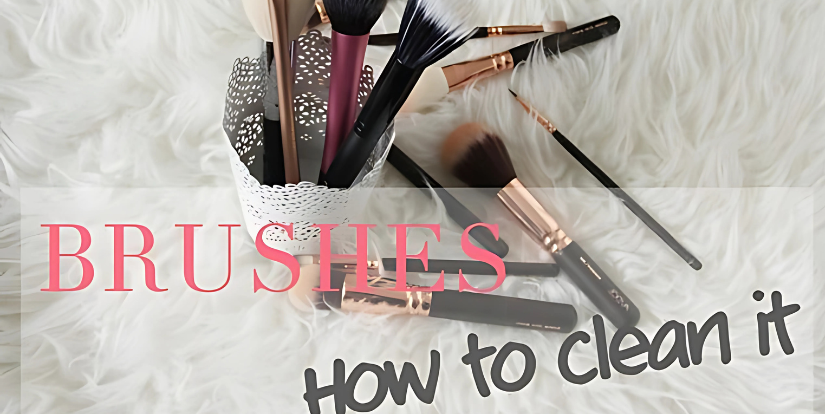
Makeup brushes are indispensable tools for beauty enthusiasts, enabling flawless application and blending of cosmetics. However, if not cleaned regularly, they can harbor bacteria, oils, and makeup residue, which may affect your skin’s health. Learning how to clean makeup brushes properly is essential for maintaining both the integrity of your brushes and the health of your skin.
Many people ask, “How to clean makeup brushes?” The process is straightforward and vital for healthy skin, prolonging the life of your brushes, and achieving seamless makeup application. This comprehensive guide covers effective cleaning techniques, recommended products, and best practices for optimal brush maintenance.
| Category | Details |
| Why Clean Brushes? | Prevents bacteria buildup, ensures smooth makeup application, and extends brush life. |
| How Often to Clean? | Foundation & Concealer Brushes – Weekly Powder Brushes – Every 1–2 weeks Eyeshadow Brushes – Every 3–4 days Lip Brushes – After each use Beauty Blenders – Every 2–3 days |
| Essential Cleaning Supplies | Mild soap or baby shampoo Brush cleanser (optional) Olive or coconut oil (for deep cleaning) Cleaning mat or silicone glove Towel for drying |
| Step-by-Step Cleaning Process | 1. Prepare a solution with lukewarm water and mild soap. 2. Wet bristles, avoiding the brush handle. 3. Swirl in soap and massage using a cleaning mat. 4. Rinse thoroughly until water runs clear. 5. Gently squeeze out excess water and reshape. 6. Lay flat to air dry. |
| Quick Cleaning Methods | Brush Cleaner Spray: Spray onto a tissue and swirl brush. Micellar Water: Dip bristles and wipe off makeup quickly. |
| Deep Cleaning Techniques | Olive/Coconut Oil: Mix with soap to break down stubborn residue. Professional Brush Cleanser: Ideal for heavy buildup. |
| How to Store Brushes? | Store in an open container for airflow. Avoid keeping brushes in makeup bags for extended periods. Use brush covers or roll-up cases during travel. |
| Common Mistakes to Avoid | Avoid hot water (damages bristles). Don’t leave soap residue (can irritate skin). Avoid drying brushes upright (can loosen ferrule glue). |
Why Cleaning Your Makeup Brushes is Important
Health and Hygiene
Regularly cleaning your makeup brushes is crucial for maintaining skin health. Brushes accumulate bacteria, oils, and dirt that can transfer to your face, causing irritations, breakouts, or infections. Keeping your brushes clean reduces these risks and promotes healthier skin.
Enhanced Makeup Application
Dirty brushes negatively impact makeup application by mixing old product with new colors, which can cause patchiness, unevenness, and poor blending. Clean brushes deliver precise color payoff and smooth application, resulting in a polished, professional finish.
Prolonging Brush Lifespan
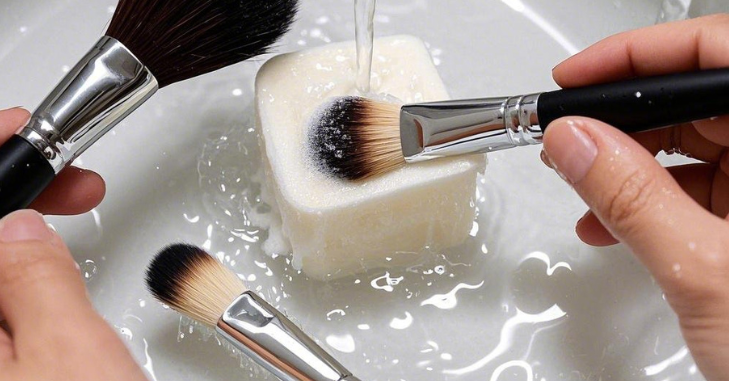
Regular cleaning prevents makeup buildup that can damage brush bristles and loosen the glue holding them. This maintenance extends the brush’s usability, preventing shedding and deterioration, and saves you money in the long run.
How Often Should You Clean Your Makeup Brushes?
Daily Cleaning
For daily makeup users, a quick cleaning after each use is highly recommended, especially for brushes applying liquid or cream products such as foundation or concealer. Using brush cleaner sprays or gentle makeup removers can efficiently prevent product buildup.
Weekly Deep Cleaning
Deep cleaning your brushes weekly with soap and water ensures thorough removal of makeup, oils, and bacteria. This step is particularly important for powder brushes or brushes used frequently.
Monthly Maintenance
Each month, inspect your brushes for damage or excessive wear. Replace any that are frayed or shedding and consider applying a conditioning treatment to maintain softness and pliability.
How to Clean Makeup Brushes: Techniques
Soap and Water
- Gather Your Supplies: Use mild soap such as baby shampoo or gentle dish soap, lukewarm water, a clean towel, and a bowl or plate.
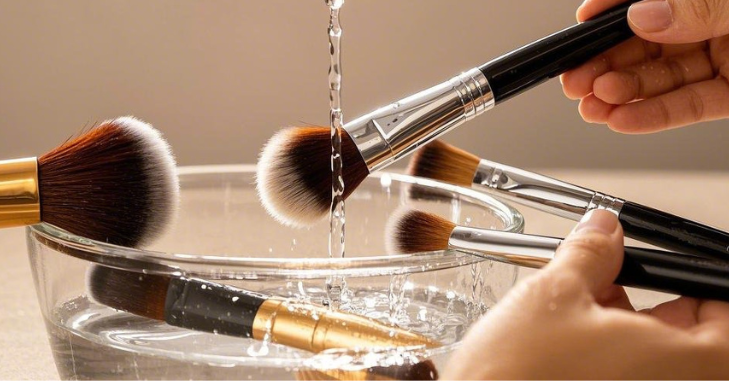
- Rinse the Bristles: Rinse the bristles under lukewarm water, avoiding soaking the handle or ferrule to protect the glue.
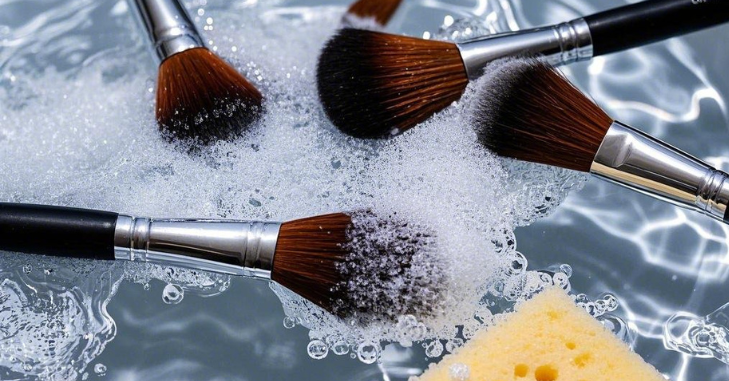
- Apply Soap: Put a small amount of soap in your palm or on a plate and gently swirl the brush bristles in it without pressing too hard.
- Rinse Thoroughly: Rinse under lukewarm water until the water runs clear and no soap remains.
- Reshape and Dry: Gently reshape bristles and lay the brush flat on a towel to air dry, avoiding vertical drying.
Olive Oil and Dish Soap
- Create Cleaning Solution: Mix equal parts olive oil and dish soap on a plate; the oil helps break down stubborn makeup.
- Clean Brushes: Dip and swirl the bristles gently in the mixture to loosen heavy residue.
- Rinse Well: Rinse under lukewarm water until no soap or oil remains.
- Dry Properly: Reshape the bristles and lay flat to dry completely.
Brush Cleaning Tools
Enhance your cleaning routine with these helpful tools:
- Silicone Cleaning Mats: Textured mats designed to effectively remove makeup from bristles.
- Brush Cleaning Gloves: Textured gloves that allow simultaneous cleaning of multiple brushes while protecting your hands.
- Electric Brush Cleaners: Devices that automate washing and drying for a deep, efficient clean.
Recommended Products for Cleaning Makeup Brushes
Gentle Soaps
- Baby Shampoo: A mild, gentle choice that clean brushes without harming bristles.
- Castile Soap: Plant-based soap effective for removing makeup and safe for all brush types.
Brush Cleaners
- Alcohol-Based Cleaners: Perfect for quick cleaning and disinfecting brushes used with liquid makeup.
- Micellar Water: A gentle yet effective makeup remover that cleans brushes without damaging them.
Conditioning Products
- Brush Conditioning Spray: Helps keep bristles soft and prevents dryness after cleaning.
Tips for Optimal Brush Care
Avoid Hot Water
Always use lukewarm water instead of hot water to protect brush bristles and prevent glue degradation.
Do Not Soak
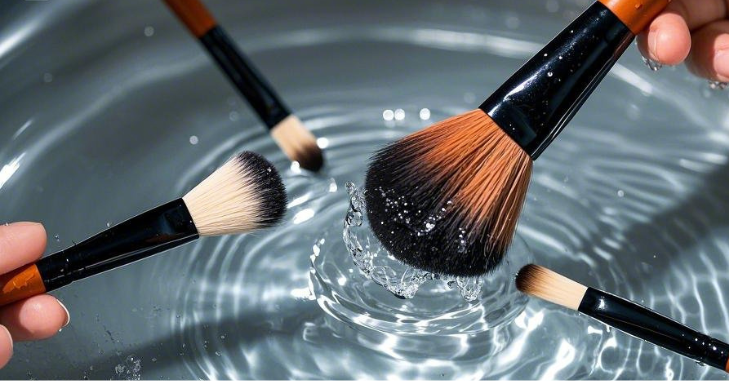
Avoid soaking brushes completely as water can seep into the ferrule, weakening glue and causing bristle loss. Instead, rinse bristles under running water with the handle pointed downward.
Drying Techniques
Lay brushes flat on a towel to dry. Alternatively, hang them off the edge of a counter with bristles facing down to speed up drying while preventing water damage.
Store Properly
Store brushes upright in a brush holder or cup without overcrowding, to maintain bristle shape and hygiene.
Regular Inspection
Periodically check for frayed bristles, loose ferrules, or shedding, and replace brushes when necessary to maintain makeup application quality.
Incorporate Quick Touch-Ups Between Uses
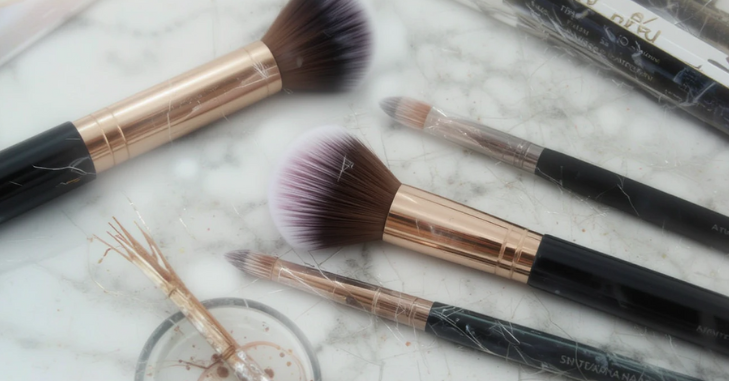
Even with regular deep cleaning, makeup brushes can accumulate minor residue from daily use. To maintain optimal performance, consider incorporating quick touch-ups between full washes. Using a brush cleaning spray or misting the bristles with micellar water before each use can remove leftover product and refresh the brush.
This method not only ensures consistent color application but also reduces the risk of transferring bacteria to your skin, making it a simple yet effective addition to your brush care routine.
Conclusion
Understanding how to clean makeup brushes is essential for anyone who regularly applies makeup. Clean brushes promote better hygiene, protect your skin, improve makeup application, and extend brush lifespan.
By following the techniques and tips outlined in this guide, using the appropriate products, and maintaining a consistent cleaning schedule, you can keep your makeup brushes in excellent condition for a flawless look and healthier complexion.
plication and a healthier complexion.
If you’re interested in learning more about “Grunge Aesthetic Outfits: A Guide to Edgy, Effortless Styles, Essential Pieces and Tips,” please visit our “Fashion” category for additional insights and tips.
FAQs
For optimal hygiene, perform a quick clean after each use, a deep clean weekly, and inspect brushes monthly for damage or wear.
Cleaning brushes prevents bacterial buildup, promotes skin health, enhances makeup application, and prolongs brush lifespan.
Mild soaps like baby shampoo or castile soap, alcohol-based brush cleaners, micellar water, and specialized brush cleaning solutions are recommended.
Yes, but avoid harsh soaps that may damage bristles. Mild soaps such as baby shampoo are preferable for safe cleaning.
Yes, regularly cleaned brushes reduce bacteria and oil buildup, which can help minimize acne breakouts caused by dirty tools.
Depending on size and drying method, brushes typically take between 2 to 6 hours to air dry completely; placing them in a well-ventilated area speeds up drying time.