Introduction
Lighting significantly influences the ambiance and comfort of any living space. Among the various lighting choices, soft white bulbs are celebrated for their ability to create a warm, inviting, and soothing environment. Whether you’re unwinding after a busy day or setting the mood for family gatherings, soft white bulbs can transform your home into a relaxing sanctuary.
Establishing a calm and cozy atmosphere in your home enhances comfort and promotes well-being. One of the most effective ways to achieve this ambiance is by using soft white lighting. This article explores the science behind soft white bulbs, their benefits, and practical tips on how to use them to design a serene, comforting home environment.
| Aspect | Details |
| Definition | Warm, yellowish light with a color temperature of 2700K–3000K, creating a cozy ambiance. |
| Key Benefits | Reduces eye strain, promotes relaxation, and supports healthy sleep cycles. |
| Ideal Rooms | Living room, bedroom, dining room, and bathroom. |
| Soft White vs. Daylight | Soft white: Warm and calming. Daylight: Cool and energizing. |
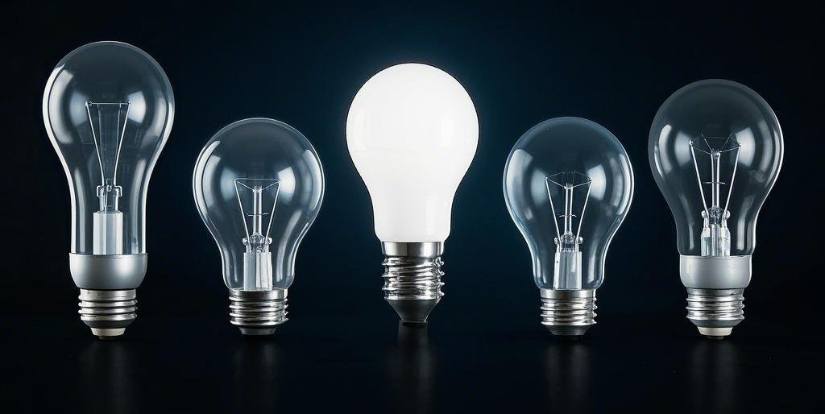
| Best Bulbs | LED (energy-efficient), Incandescent (classic warm glow), CFL (eco-friendly). |
| Design Tips | Use dimmers and lampshades, and highlight cozy areas to enhance ambiance. |
| Impact | Creates a calming, stress-free, and welcoming environment. |
What Are Soft White Bulbs?
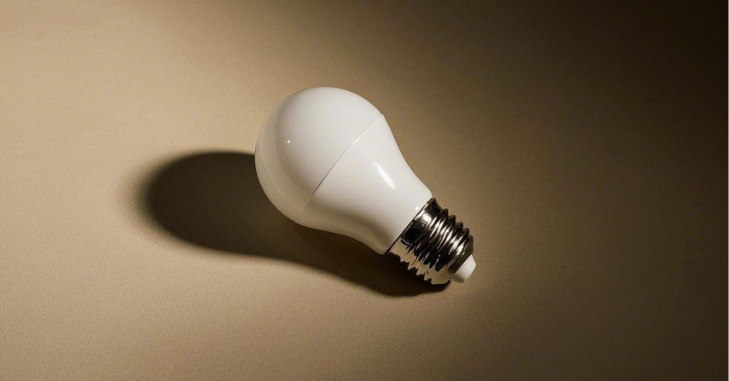
Soft white bulbs emit a warm, yellowish light that closely resembles the comforting glow of traditional incandescent bulbs. Typically, their color temperature ranges from 2700K to 3000K, placing them on the warmer end of the light spectrum. This gentle illumination fosters a calm and inviting ambiance, making soft white bulbs a popular lighting choice for bedrooms, living rooms, and dining areas.
The Science Behind Relaxing Lighting
Soft white bulbs replicate the warm tones of natural sunset light, which signals the body to start producing melatonin—a key hormone that promotes relaxation and prepares us for sleep. Unlike harsher, cool blue light that can increase alertness, soft white lighting gently cues your brain to wind down.
The key scientific benefits include:
- Reduced Eye Strain: The softer, warmer tones are easier on your eyes, especially during evening hours.
- Promotes Relaxation: The gentle glow instills comfort and calmness, ideal for unwinding.
- Supports Circadian Rhythms: Warm lighting helps align your body’s internal clock with natural sleep-wake cycles.
Benefits of Soft White Bulbs for Home Atmosphere
Soft white bulbs offer numerous advantages for creating a relaxing and welcoming home atmosphere:
- Creates a Cozy Vibe:
They add warmth to your space, enhancing the feeling of comfort—perfect for living rooms or bedrooms. - Improves Emotional Well-Being:
The soft glow promotes a positive mood, reducing stress and fostering feelings of safety and calm. - Enhances Interior Design:
Warm light beautifully complements natural textures like wood and fabrics, elevating your home’s aesthetic. - Perfect for Family Time:
Soft white lighting provides an inviting backdrop for dinners, movie nights, or quiet evenings.
Rooms Where Soft White Bulbs Shine
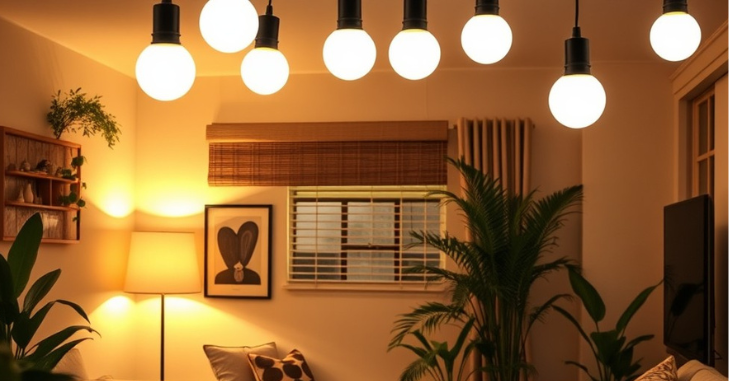
Soft white lighting suits many rooms but is best utilized strategically for maximum effect:
- Living Room:
Use soft white bulbs in table lamps, floor lamps, and wall sconces to layer lighting and create a comfortable ambiance for relaxation and socializing. - Bedroom:
Ideal for bedside lamps and ceiling fixtures, soft white bulbs encourage a restful, cozy atmosphere to help you unwind before sleep. - Dining Room:
Warm lighting in chandeliers or pendant lights sets a welcoming tone, perfect for intimate dinners and family meals. - Bathroom:
Soft white bulbs in vanity fixtures or recessed lights add a spa-like warmth, especially when relaxing in a bath.
Soft White Bulbs vs. Daylight Bulbs
Choosing between soft white and daylight bulbs depends on the function and feel you want for your space. The table below highlights their differences:
| Feature | Soft White Bulbs | Daylight Bulbs |
| Color Temperature | 2700K–3000K | 5000K–6500K |
| Light Tone | Warm, yellowish | Cool, bluish |
| Best For | Relaxation and cozy spaces | Task-oriented areas like kitchens, offices, and garages |
| Effect on Mood | Calming and comforting | Energizing and alert |
Types of Soft White Bulbs
Soft white bulbs come in various types suitable for different preferences and budgets:

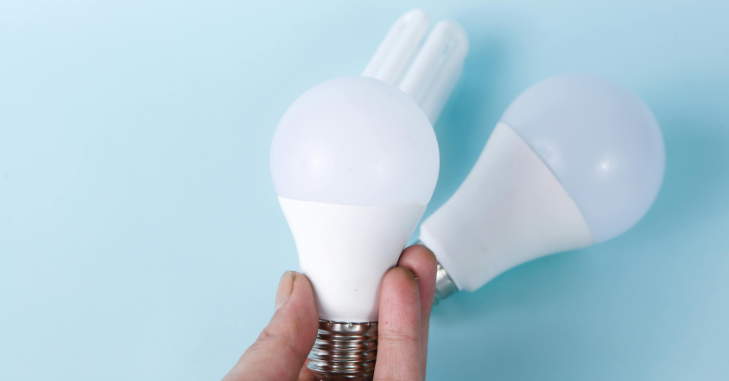
- LED Bulbs
- Highly energy-efficient and long-lasting (up to 25,000 hours or more).
- Available in dimmable options for versatile ambiance control.
- Incandescent Bulbs
- Provide a classic, warm glow but consume more energy and have shorter lifespans.
- Offer a nostalgic, traditional ambiance.
- Compact Fluorescent Lamps (CFLs)
- More energy-efficient than incandescent bulbs but less than LEDs.
- Soft white options available but may take a moment to reach full brightness.
How to Use Soft White Bulbs for Maximum Impact
To fully harness the benefits of soft white lighting, consider these practical tips:
- Layer Your Lighting:
Combine ambient, task, and accent lighting all in soft white tones to add depth and warmth to your space. - Install Dimmer Switches:
Adjust brightness levels to create the perfect mood, especially during evenings. - Use Lampshades:
Diffuse light for a softer glow, reducing glare and enhancing comfort. - Highlight Cozy Areas:
Place soft white bulbs in reading nooks, near sofas, or over dining tables to create inviting focal points.

Energy Efficiency of Soft White Bulbs
Modern soft white LED bulbs offer exceptional energy efficiency alongside their cozy glow. They consume up to 80% less energy than incandescent bulbs and can last up to 25,000 hours or more, reducing both electricity costs and environmental impact. This combination of performance and comfort makes LED soft white bulbs an excellent eco-friendly choice for any home. cost-effective
Combining Soft White Lighting with Smart Home Technology
For a more customized and convenient lighting experience, soft white bulbs can be paired with smart home technology. Many modern LED soft white bulbs are compatible with smart plugs, voice assistants like Alexa or Google Assistant, and app-based controls. This integration allows homeowners to adjust brightness, set schedules, and even create dynamic lighting scenes without manually switching bulbs.
For example, you can program soft white lighting to gradually dim in the evening to promote relaxation or automatically brighten in the morning to gently wake up the household.
Conclusion
Soft white bulbs are more than just light sources—they are essential tools for creating a tranquil and welcoming home atmosphere. Their warm illumination enhances emotional well-being, complements diverse interior styles, and fosters relaxation throughout your living spaces. Whether curling up with a favorite book, hosting a cozy family dinner, or preparing for restful sleep, soft white lighting plays a pivotal role in crafting a calming ambiance.
By thoughtfully incorporating soft white bulbs into your home décor and lighting plans, you can effortlessly transform your living spaces into comfortable sanctuaries of warmth and serenity. Consider making the switch today and experience the transformative power of soft white lighting.
If you’re interested in learning more about “Exploring Wood Pellet Boilers: A Sustainable Heating Solution,” be sure to explore our dedicated “Technology” category.
Frequently Asked Questions (FAQs)
A soft white bulb emits warm, yellowish light with a color temperature between 2700K and 3000K, creating a cozy and relaxing atmosphere ideal for home living spaces.
Soft white bulbs are perfect for rooms where relaxation and comfort are desired, including living rooms, bedrooms, dining areas, and bathrooms.
Soft white light creates a calming and comforting environment that helps reduce stress and promotes a restful atmosphere, supporting better emotional well-being.
Soft white bulbs emit warm, calming yellowish light (2700K–3000K), ideal for relaxation, while daylight bulbs produce cool, bluish light (5000K–6500K) that is energizing and suited for task-oriented spaces.
Yes, soft white LED bulbs are very cost-effective as they consume less electricity and have longer lifespans compared to incandescent and CFL bulbs, helping to reduce energy bills over time.
Many soft white LED bulbs are available in dimmable versions, allowing you to customize brightness levels and create the perfect atmosphere for any time of day.