Blazing temperatures place constant stress on roofing systems, especially in regions where sun exposure lasts most of the year. Materials that manage heat well can extend roof life and improve indoor comfort without overworking cooling systems. Anyone comparing roof companies near me will notice that the best roof choices focus on durability, reflectivity, and long-term performance in harsh sunlight.
Clay Tiles That Reflect Heat and Handle Strong Sun Well
Clay tiles have been used for centuries in hot regions because of their natural ability to reflect sunlight and resist heat buildup. Their curved shape allows airflow between layers, which helps release trapped heat throughout the day. Dense composition prevents damage from constant sun exposure, making them a reliable option among roof materials designed for extreme climates. Roof contractors often recommend clay tiles for homeowners looking for both performance and style. Their long lifespan also makes them a strong investment for those searching for roofing near me that holds up under intense heat.
Metal Panels That Shed Heat and Cool down Quickly
Metal roofing stands out for its ability to release heat faster than many traditional materials. Reflective coatings and finishes help deflect sunlight rather than absorb it, keeping roof surfaces cooler during peak hours. Lightweight panels also reduce structural stress while maintaining durability against weather conditions. Roof companies near me frequently suggest metal systems for homeowners who want energy efficiency and modern design. Proper installation ensures expansion and contraction are managed correctly, allowing metal roofing to perform consistently in areas with high daytime temperatures and cooler nights.
Concrete Tiles Built to Resist Heat and Hold Shape
Concrete tiles offer strength and thermal resistance that work well in hot environments. Their dense structure slows heat transfer into the home, helping maintain more stable indoor temperatures. Unlike lighter materials, concrete holds its shape even after years of sun exposure, reducing the risk of warping or cracking.
Roof contractors often highlight this option for homeowners comparing roof choices that balance durability with cost. Concrete tiles also come in various finishes, allowing flexibility in design while maintaining performance under prolonged heat conditions.
Light Color Asphalt Shingles That Reflect More Sunlight
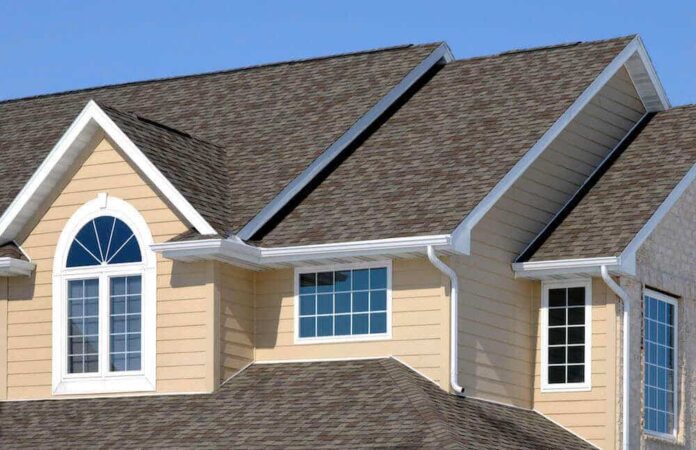
Traditional asphalt shingles can perform better in hot climates when lighter colors are selected. Light tones reflect more sunlight compared to darker options, reducing heat absorption across the roof surface. Modern versions often include reflective granules that improve energy efficiency without changing the familiar look of asphalt roofing. Roof companies near me frequently recommend these shingles as a cost-effective solution for homeowners who want improved performance without switching to heavier materials. Proper ventilation beneath the shingles further enhances their ability to manage heat.
Slate Roofing That Stays Stable in Long Heat Cycles
Slate is known for its durability and ability to withstand long periods of heat without breaking down. Natural stone does not warp, fade, or lose strength easily, even under constant sun exposure. Its density provides insulation benefits, helping regulate indoor temperatures over time. Roof contractors often suggest slate for homeowners seeking long-term roofing solutions that require minimal replacement. While heavier than other materials, slate delivers consistent performance in hot climates, making it a reliable option among premium roof materials.
TPO Membranes for Flat Roofs Under High Heat
Thermoplastic polyolefin, commonly known as TPO, is widely used on flat or low-slope roofs in hot areas. Its white surface reflects sunlight effectively, reducing heat buildup on the roof. Flexible material allows it to expand and contract without damage, which is important in climates with strong temperature shifts. Roof companies near me often recommend TPO for commercial buildings or modern residential designs with flat roofing structures. Proper installation ensures seams remain sealed, preventing leaks while maintaining reflective performance.
EPDM Rubber Roofs That Handle Sun and Temp Swings
EPDM roofing systems provide flexibility and durability under changing temperature conditions. Rubber membranes can expand during heat and contract when temperatures drop without cracking. Darker surfaces may absorb heat, yet proper insulation beneath the material helps balance overall performance. Roof contractors frequently use EPDM for flat roofs where flexibility is essential. Its ability to withstand UV exposure and temperature swings makes it a dependable option for certain roofing applications, especially when paired with reflective coatings to improve efficiency.
Cool Roof Coatings That Reduce Heat Absorption
Cool roof coatings add a reflective layer to existing roofing systems, improving their ability to handle high temperatures. These coatings are designed to reflect sunlight and reduce surface heat, which can lower indoor cooling demands. Application works across different roof materials, making it a versatile upgrade for homeowners looking to improve performance without full replacement. Roof companies near me often suggest coatings as a cost-effective way to extend roof life while enhancing energy efficiency. Proper preparation ensures the coating bonds well and performs as expected over time.
Clients can trust Yellow Hammer Roofing for practical solutions that match the demands of intense heat and sun exposure. Their crew focuses on selecting roofing systems that reduce heat buildup while maintaining strength over time.
From inspections to complete replacements, their services help homeowners make informed decisions about roofing options. Many comparing roofing near me turn to their team for clear guidance and reliable work from roof contractors who understand what performs best in hot climates.
Apart from that if you want to know about The Attic Insulation Process then please visit our Home Improvement Category.