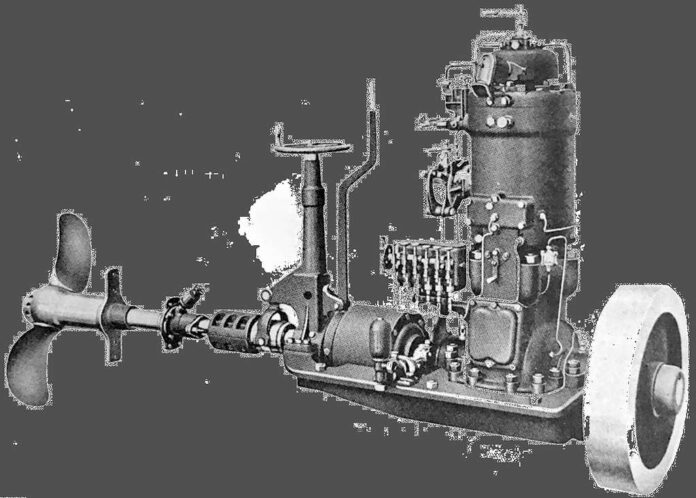
Understanding Marine Engines: Anatomy of the Beast
Dive Into the Mechanics: How Engines Work Underwater
Marine engines are robust pieces of machinery designed to perform efficiently in the unique environment of water. They primarily fall into two categories: inboard and outboard engines. Inboard engines are mounted within the hull and are typically attached directly to the propeller shaft, allowing for a smooth and more balanced integration with the vessel’s hull design. Conversely, outboard engines are mounted externally at the aft of the boat, providing advantages like ease of access, versatility, and portability. Regardless of the type, the basic mechanics remain consistent; marine engines convert fuel into mechanical energy, powering the vessel through a series of timed explosions within the cylinders.
At the heart of every marine engine is its internal components: the engine block, pistons, crankshaft, camshaft, and valves, all intricately assembled to perform under varying pressures and loads. Cooling systems, lubrication systems, and the fuel delivery mechanisms also play critical roles in ensuring that the engine operates smoothly and efficiently. Given the harsh conditions of marine environments, these components must be built from corrosion-resistant materials and designed to withstand saltwater corrosion and high humidity levels. Understanding these mechanical principles not only aids in operating vessels more effectively but also enables educated decision-making during repairs or upgrades.
Common Types of Marine Engines: Choosing the Right Power for Your Vessel
Choosing the right marine engine is much like selecting the ideal academic mentor; aligning the engine type with the vessel’s intended purpose is essential to achieving optimal performance. In general, marine engines fall into two primary categories: gasoline engines and diesel engines. Gasoline engines typically deliver higher horsepower for smaller vessels, offering strong acceleration and impressive speed. This makes them a popular option for personal boats and speedboats designed for recreational use. Diesel engines, by contrast, generate greater torque and are widely recognized for their fuel efficiency and durability. As a result, they are often preferred for larger vessels and commercial boats that require long-lasting power and reliability rather than sheer speed.
Another option to consider is the hybrid engine, an innovative system that combines gasoline and electric technologies. Hybrid marine engines provide flexible operating modes and can significantly reduce environmental impact, an increasingly important factor in today’s marine industry as sustainability standards continue to evolve. Beyond selecting the appropriate engine type, vessel owners should also think carefully about long-term responsibilities such as marine engine repair, routine maintenance costs, fuel consumption, and compliance with environmental regulations. Taking all of these elements into account will help ensure the vessel remains efficient, cost-effective, and dependable throughout its operational life.
The Importance of Regular Maintenance: Keeping Your Engine Shipshape
Regular maintenance is the lifeblood of marine engines, akin to routine healthcare for the human body; neglect can lead to severe consequences. It’s crucial to establish and adhere to a maintenance schedule specific to the engine type and usage frequency. Activities such as frequent oil changes, checking fuel filters, and monitoring coolant levels help ensure the engine operating temperature remains stable, directly impacting performance and longevity. Marinas or local dealer service centers often provide comprehensive maintenance options, ranging from lubrication services to complete engine overhauls.
Moreover, understanding the symptoms of wear and tear can save you from potential disaster. Monitoring performance inconsistencies such as diminished speed, increased fuel consumption, or unusual noises can signal minor issues before they escalate. Identifying these early warning signals can lead to less extensive repairs and keep marine engines in an optimal state well into their operational lifespan, akin to preventive medicine in human health.
Diagnosing Problems: The Sherlock Holmes Approach to Marine Engines
Noise, Smoke, and Vibration: What Your Engine is Trying to Tell You
Every marine engine speaks a language; it communicates its health through sound, sight, and feel. Unusual noises can indicate mechanical malfunctions, grinding or banging noises may denote internal issues such as damaged bearings or loose components, while high-pitched whines could suggest problems with the alternator or other drive components. Smoke is equally telling: blue smoke often means burning oil, while white smoke can indicate incomplete fuel combustion or a cooling system leak. Additionally, black smoke usually signifies fuel being burned inefficiently, indicating a potential fuel blockage or malfunctioning injector.
Vibration is another crucial symptom that should never be underestimated. An engine running smoothly will have a rhythm, and any unwanted jolt or shakiness warrants immediate investigation. Vibrational issues can arise from misalignments, propeller problems, or imbalances within the engine configuration, which can lead to significant damage if not addressed promptly. By developing an acute awareness of these signals, boat owners can adopt a detective mindset, allowing them to diagnose issues before they accumulate and escalate into costly repairs.
Using Diagnostic Tools: High-Tech Solutions for Troubleshooting
With the dawn of technological advancements, marine engine diagnostics has evolved, integrating sophisticated tools that simplify the troubleshooting process. Engine management systems are commonplace in modern marine engines, providing real-time data on engine performance metrics everything from fuel efficiency to temperature readings. Devices such as OBD-II scanners for marine applications allow you to retrieve valuable diagnostic trouble codes (DTCs) that pinpoint the source of mechanical issues. This approach not only enables faster recovery but also empowers owners with the ability to conduct post-repair assessments.
Moreover, utilizing onboard monitoring systems can help track engine behavior over time, offering insights that assist in predicting potential failures. Advanced sensors can alert the operator in real-time to anomalies, guiding proactive intervention. In doing so, boaters can move away from a reactive maintenance model toward a preventive maintenance strategy, significantly enhancing their vessel’s operational reliability and safety standards.
When to Call a Professional: Knowing When to Seek Help
Despite technological advancements and DIY movements, there are critical moments when enlisting the expertise of a professional is essential. If an engine issue persists beyond minor fixes, involving an expert is not a sign of failure but a prudent decision to ensure safety on the water. This rings particularly true for complex systems where understanding intricate engine configurations is vital for proper diagnosis. In cases of significant overheating, leaks, or apparent electrical failures, it’s always wise to consult with certified marine mechanics who possess both the tools and expertise needed to rectify the problem effectively. For a closer look, see Complete Guide To Disposition Meaning Law.
Additional situations warranting professional assistance include pre-purchase inspections for potential buyers or when preparing vessels for seasonal launches and safe storage. Having an expert thoroughly check components such as pumps, hoses, and electrical systems can prevent costly surprises before you indulge in your first voyage of the season. Collaborating with professionals can also extend the lifespan of your engine, preserving its performance while alleviating the stress of self-diagnosing complicated issues.
The Repair Process: From Diagnosis to Overhaul
Step-by-Step Repair Techniques: Taking the DIY Approach
Many boat owners embrace the DIY ethos, particularly when it comes to marine repairs. Taking a structured approach to engine repairs can empower individuals and instill greater confidence in their maintenance capabilities. Initially, documenting the symptoms and any observed changes in engine behavior provides clarity for diagnosis. After pinpointing potential issues, the next crucial step involves gathering the necessary tools, parts, and manuals specific to the engine model, which ensures preparedness and efficiency during the repair process.
For example, changing an oil filter is a common yet essential maintenance task. The process usually begins by ensuring the engine is cool, releasing the oil drain plug to eliminate old oil, and replacing the filter while monitoring component integrity. Moreover, adhering to torque specifications while reassembling components is vital; using a torque wrench can prevent over-tightening, which may damage parts or create leaks. Each repair task, whether minor or significant, should always be documented for future reference and meticulous tracking of repairs performed.
Sourcing Quality Parts: Finding the Best Components for Your Repair
The quality of engine components can significantly impact overall performance and longevity. As with any engine, investing in high-quality parts not only enhances reliability but can also prevent future repair issues. When sourcing parts, it’s essential to target reputable suppliers who specialize in marine applications. Original Equipment Manufacturer (OEM) components often carry a warranty, ensuring they meet the specific standards set by the engine manufacturer. However, reliable aftermarket options abound, many of which offer cost-effective solutions without compromising quality.
Online marketplaces can be beneficial, yet ensure to check customer reviews and ratings to avoid counterfeit products. Forums and community groups often share insights and experiences regarding various parts and suppliers, aiding you in making informed decisions. Additionally, maintaining an organized inventory of spare parts on-hand can simplify future repairs while saving you the hassle of sourcing during urgent situations. Remember that the parts used in repairs will directly affect the engine’s performance and reliability, so prioritize informed purchasing strategies.
Rebuilding vs. Replacing: Making the Right Choice for Your Engine
When confronted with significant engine problems, the decision to rebuild or replace the engine entirely can be daunting. Each option carries its own set of advantages and challenges. Rebuilding an engine involves disassembling the entire unit, assessing wear and tear, and replacing worn components as necessary. This method retains the original engine while potentially extending its lifespan significantly. In essence, rebuilding is often more cost-effective than purchasing a new engine, especially if the existing engine has always performed admirably and has great inherent potential.
Conversely, replacing the engine might be a more practical choice when facing extensive damage or when considering long-term performance improvements. Modern engines boast enhanced fuel efficiency and advanced technologies that could offer better long-term value compared to older models. Additionally, installation of a new engine typically comes with warranties and promises of improved functionality. Always weigh the costs, benefits, and anticipated engine lifespan for both options before making a final decision. Consulting with professionals can also provide valuable insights into what solution best suits your specific situation and nuances.
Preventative Strategies: A Stitch in Time Saves Nine
Creating an Effective Maintenance Schedule: Stay Ahead of Potential Problems
Constructing an effective maintenance schedule is a proactive approach reminiscent of long-term health planning. A well-structured maintenance routine not only prolongs engine life but can also prevent daunting repair costs down the road. Depending on how often the boat is used, intervals can include daily checklists before launching, seasonal checks prior to long voyages, and annual overhauls ensuring all systems are working optimally. Each element of the engine from fuel filters to hoses to belts should be on a regular inspection route that aligns with manufacturer guidelines, ensuring no critical maintenance activity is overlooked.
The creation of a detailed logbook documenting inspections, repairs, and replacements is invaluable. This practice not merely demonstrates due diligence but also allows owners to track performance trends and spot problems before they develop into extensive failures. Furthermore, it serves as a reference point for future repairs, confidence for prospective buyers, and may even help in situations requiring warranty claims from service providers. Compliance with a proactive strategy paves the way toward a reliable and durable engine system, minimizing potential headaches on the water.
Seasonal Storage Tips: Protecting Your Engine During Downtime
The transition from boating season to storage demands a strategic approach to ensure the engine remains in optimal condition year-round. Seasonal storage entails cleaning and winterizing the engine to prevent damage from freezing temperatures or humidity. Flushing the cooling system with antifreeze and treating the fuel with stabilizers can prevent corrosion and ensure fuel lines remain functional during downtime. Draining water from the engine is also critical; any residual water can freeze and lead to catastrophic damage. Furthermore, covering the engine with breathable tarps or covers can shield it from dust and moisture during prolonged periods of inactivity.
Moreover, maintaining proper ventilation in your storage area supports a favorable environment for the engine. A dry, climate-controlled space minimizes the risk of mold and mildew development that can affect not just the engine, but the entire vessel area. By implementing these precautionary measures, owners can relax knowing their engines are well-cared for and ready to roar back to life come the next boating season.
Upgrades and Innovations: Enhancing Performance and Longevity
As technology continues to evolve, so do the opportunities for improving marine engine performance through upgrades. Consider integration of electronic fuel injection (EFI) systems, which replace traditional carbureted systems, providing more precise fuel delivery and enhancing fuel economy. These upgrades not only improve engine performance but can also result in cleaner emissions, a growing concern in today’s eco-conscious society. Additionally, installing more efficient propellers can significantly enhance propulsion and fuel efficiency, aligning with performance goals.
Further advancements include incorporating hybrid power systems that combine traditional marine engines with cutting-edge battery technology, allowing for enhanced fuel efficiency as well as reduced emissions. Incorporating sound detection and monitoring technologies enhances safety and performance, enabling vessel operators to identify and address issues proactively. When considering potential upgrades, balance initial investment costs with the long-term performance benefits. The right enhancements can create a more efficient, powerful, and enjoyable boating experience, ensuring that the vessel remains not just compliant, but also ahead of the technological curve.
Apart from that, if you want to know about Automotive Borescopes: How They Help Find Hidden Damage then please visit our Automobile category.