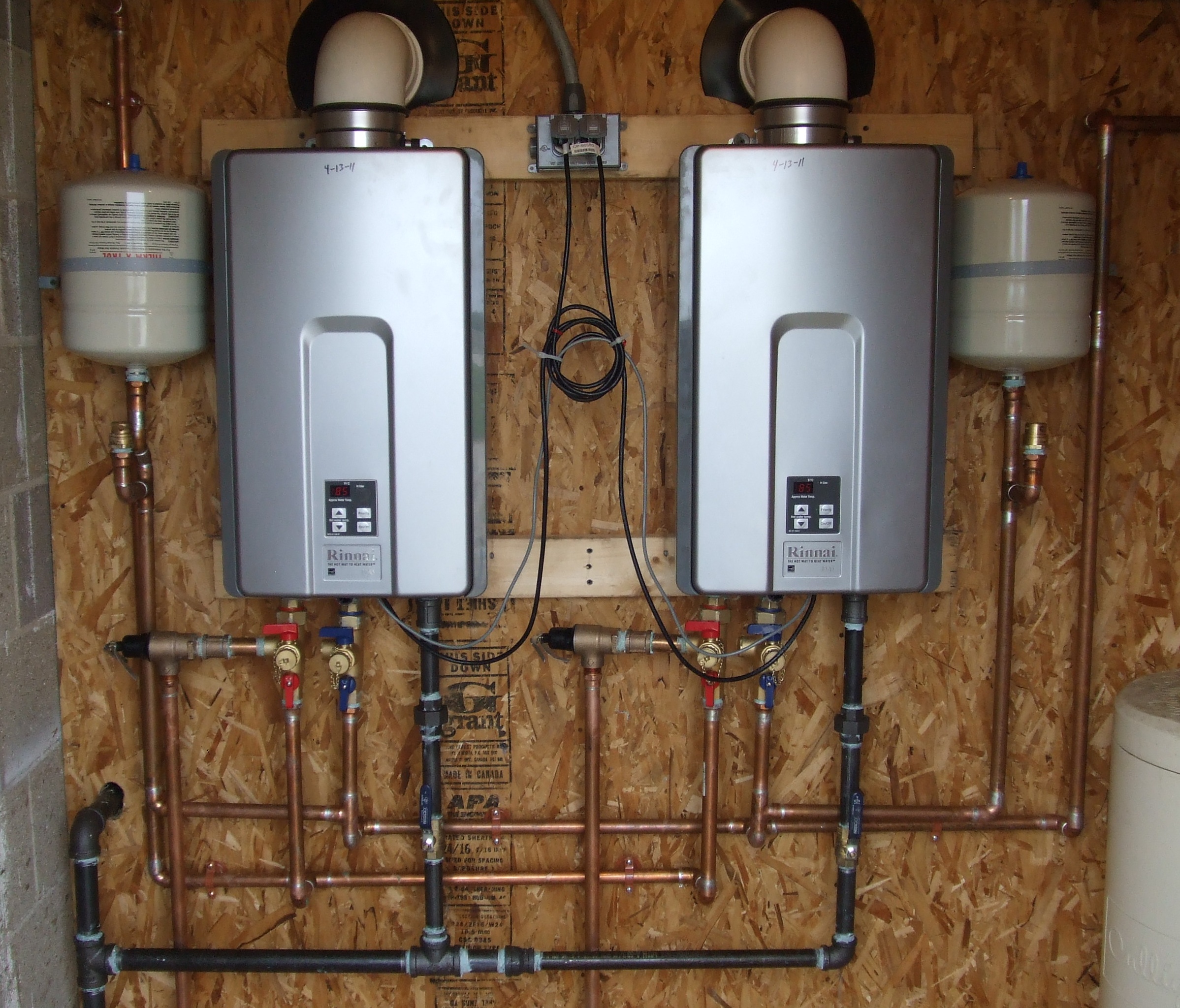
Homeowners tend to overlook an essential household appliance, the water heater, when temperatures heat up in Favor of cooling their house or tending to the outdoors. Though your water heater may not experience as much strain in summer as it did during its use in winter months, proper care must still be taken to prolong and ensure efficient performance for optimal performance and reduced energy expenses, plus reliable access to the hot water supply. A properly cared-for heater reduces energy expenses, prevents unplanned malfunctions, and ensures constant hot water availability for use and consumption by home and office environments alike!
Consider employing this summer maintenance checklist to keep your water heater functioning at peak condition and avoid expensive repairs.
1. Check For Corrosion and Leaks
As part of water heater maintenance, one of the first tasks should be checking for leaks or corrosion. Even minor leaks could signal more serious problems that require costly repairs or even cause water damage; also look out for any accumulations of moisture near connections, pressure release valves and tank bases that might signal problems with these elements of the heater’s makeup.
Plumbers in Spring, TX should be your go-to experts if you detect any rust. Their expertise will allow them to determine whether your unit requires minor fixes or full replacement – potentially helping avoid unexpected failure in the future.
2. Verify The TPR Valve
Temperature and Pressure Relief (TPR) valves are one of the key safety components for water heaters, protecting from dangerously building up pressure that could otherwise lead to explosions or overpressure conditions. They prevent excess pressure from building up, which would otherwise create hazardous explosions and outbursts of pressure that may otherwise arise in an unsafe water heater environment.
TPR valve testing:
- Ascertain its position either near the side or top of your tank and locate its TPR valve for testing.
- Increase the lever of the valve slightly and let it settle back down into position. An effective valve should allow water to flow freely when released from its grip, while stopping when released from the lever.
- Replacement may be necessary if no water comes through at all or it keeps dripping after that point.
When your TPR valve stops operating as intended, it is extremely important that it gets examined by plumbers, as this could result in dangerous pressure building within your tank and could pose an imminent danger.
3. Decrease Ambient Temperature
Lowering the temperature during summer could save energy as your water heater doesn’t have to work as hard, thus saving money on energy usage. Most homeowners should ideally set their water heater at 120F (49C), which should avoid scorching while at the same time inhibit germ development in your tank.
Lowering the temperature could save energy while prolonging its life by relieving strain from its components.
4. Verify The Anode Rod
Inside every water heater lies an anode rod to prevent rust from developing inside its tank and should be regularly checked and replaced to remain effective in stopping corrosion from developing on its inner surfaces. However, over time this rod corrodes and must be periodically replaced to remain effective at its job of protecting against rust formation.
5. Verify The Heating Element or Gas Burner
Look out for any accumulations of dust or grit on the burner of gas water heaters as this could interfere with performance and lead to lower efficiency levels. A blue flame with a yellow tip indicates proper operation while any fully yellow or orange flame could indicate problems. Furthermore, check that the electric water heater’s heating elements are working efficiently before making a purchase decision.
By regularly inspecting these parts, you may help avoid unplanned problems and ensure hot water throughout the summer season.
6. Arrange For an Expert Examination
Your water heater might run smoothly with routine do-it-yourself maintenance, but for maximum effectiveness and safety it’s wise to schedule professional examination. In spring, Texas licensed plumbers offer full system checks designed to identify any hidden problems, make repairs as necessary and guarantee it runs optimally and safely.
Conclusion
By investing the time and energy to care for your water heater during summer maintenance, you may extend its longevity, boost efficiency, and avoid expensive repairs. With this summer maintenance checklist at hand, make sure your unit works reliably when you need it most!
Should you experience any plumbing-related difficulties or need professional guidance, don’t be reluctant to reach out for professional plumbers in spring. Routine maintenance now may save time and trouble later!
Apart from that, if you want to know more about Types of Gutter Guards then visit our Home Improvement category.