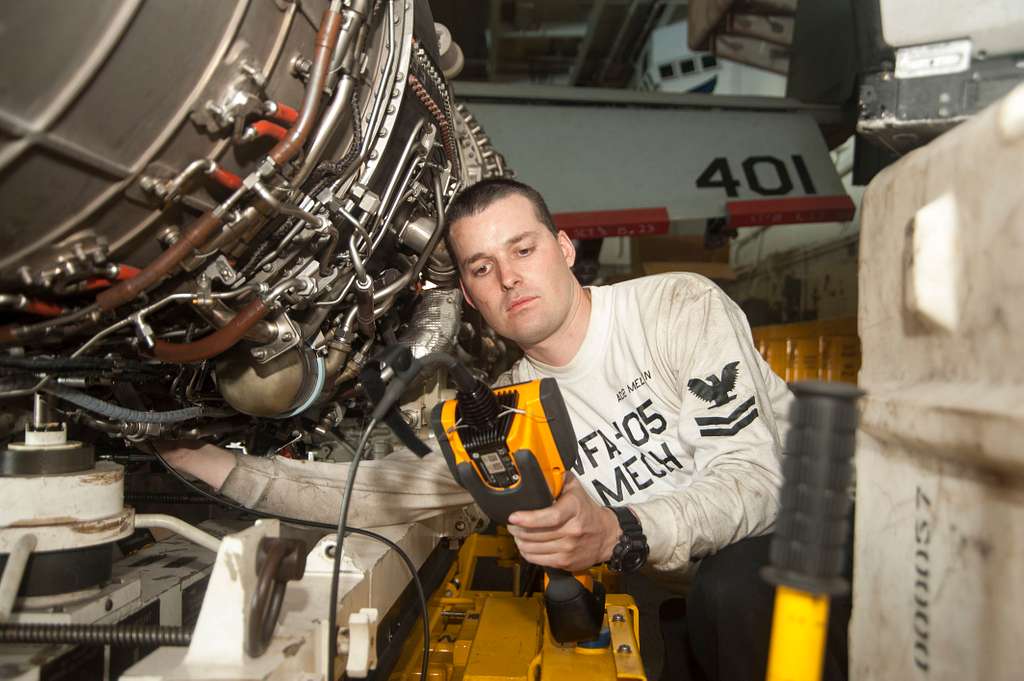
Performing thorough inspections beyond surface-level checks is essential to maintaining a vehicle’s performance and ensuring vehicle safety. Undetected damage within exhaust systems, engines, and other hard-to-reach areas can escalate into costly repairs and compromise safety. Automotive borescopes offer a reliable, non-invasive solution for diagnosing vehicle problems without the need for disassembly.
What Are Automotive Borescopes?
An automotive borescope is a slender, flexible inspection device equipped with a camera and LED light, designed to access and inspect hard-to-reach vehicle components. These advanced diagnostic tools have become indispensable in modern automotive repair, allowing mechanics to visually examine internal parts such as cylinders, pipes, valves, and other concealed areas.
Borescopes streamline vehicle inspections by providing a non-invasive method to view inaccessible zones, saving both time and labor costs while enhancing diagnostic accuracy.
Key Applications of Automotive Borescopes
Automotive borescopes are widely employed for various maintenance and diagnostic tasks, including:
- Engine Cylinder Inspection
Regularly inspecting engine cylinders for carbon buildup, corrosion, and scoring is critical for maintaining engine performance. Borescopes enable detailed inspection without the need to remove cylinder heads. - Exhaust System Examination
Hidden cracks, blockages, or damage in exhaust systems can negatively impact fuel efficiency and increase emissions. Using a borescope facilitates thorough examination of exhaust components to detect potential issues early. - Transmission System Diagnostics
Internal transmission parts, like clutches and gears, are often difficult to reach. Borescopes allow technicians to assess wear and damage inside the transmission without full disassembly. - Brake System Inspection
Ensuring the integrity of brake lines, calipers, and other critical safety components is essential. Borescopes enable careful inspection to detect leaks, cracks, or corrosion. - Fuel Injector Analysis
Clogged or damaged fuel injectors can cause engine misfires and reduced fuel economy. A borescope helps inspect injector interiors to accurately diagnose and address issues.
Benefits of Using Automotive Borescopes
Utilizing borescopes in automotive diagnostics provides numerous advantages:
- Non-Invasive Diagnostics: Traditional inspections often require dismantling parts, which is time-consuming and labor-intensive. Borescopes eliminate this need by inspecting components internally with minimal intrusion.
- Cost Savings: Early detection of problems helps avoid expensive repairs and reduces labor costs associated with extensive disassembly.
- Enhanced Precision: High-definition cameras provide clear, detailed views of internal parts, enabling accurate diagnosis and targeted repairs.
- Time Efficiency: Faster inspections reduce vehicle downtime and improve workflow in repair shops, enhancing overall customer satisfaction.
- Improved Safety: Detecting concealed damage such as cracks, corrosion, or wear ensures vehicles remain safe for drivers and passengers.
How Automotive Borescopes Work
Automotive borescopes typically feature a long, flexible probe connected to a handheld control unit. The probe’s tip houses a small LED light and a high-resolution camera, which transmit real-time images and video to an attached monitor, allowing mechanics to inspect internal vehicle components thoroughly.
Advanced models may include additional features such as:
- Articulating Probes: Enable precise navigation through tight and curved spaces.
- Recording Functions: Allow mechanics to capture and save video or photos for future reference or detailed analysis.
Common Challenges in Vehicle Maintenance Without Borescopes
- Increased Labor: Disassembling and reassembling components increases repair times and workforce effort.
- Limited Visibility: Without specialized tools, inspections may be incomplete, leading to overlooked issues.
Integrating borescopes into vehicle diagnostics effectively overcomes these challenges, making inspections more efficient and accurate.
Conclusion
Automotive borescopes have revolutionized vehicle diagnostics by providing access to hidden components such as engine cylinders and exhaust systems. They enable precise, timely detection of damage, reduce repair costs, minimize vehicle downtime, and enhance safety for drivers and passengers alike.
By adding an automotive borescope to your diagnostic toolkit, you can improve maintenance routines through early issue detection, resulting in safer, more reliable vehicles and a smoother driving experience.
To learn more about Right Auto Body Shop for Your Luxury Car Repair, be sure to explore our dedicated Automobile category.
Frequently Asked Questions (FAQs)
They can identify issues such as corrosion, carbon buildup, cracks, blockages, wear on gears and clutches, brake line damage, and clogged fuel injectors.
Yes, many borescopes are designed for both professionals and enthusiasts, but proper handling and interpretation of images require some technical knowledge.
Most borescopes are versatile and can be used on a wide range of vehicles; however, specific probes and features may be better suited for certain models or inspection needs.
By enabling early detection of hidden damage such as cracks, corrosion, or wear, borescopes help prevent component failures that could lead to accidents.
Regular cleaning of the camera lens and proper storage of the flexible probe prolong the lifespan of the device. Follow manufacturer guidelines for best practices.