Introduction
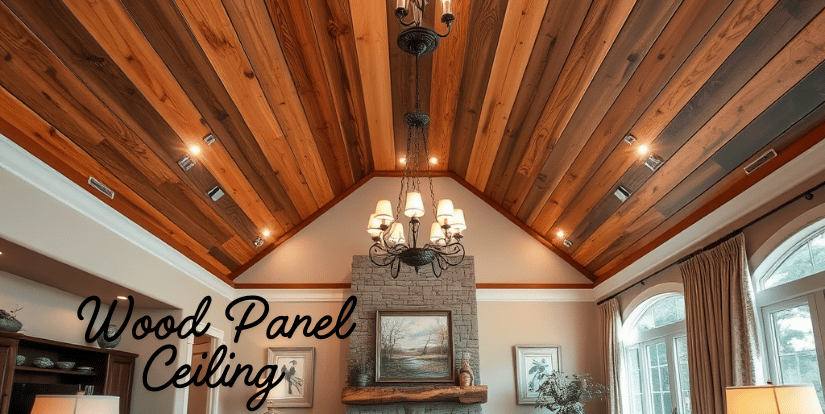
Wood panel ceilings have been a cherished element in architectural design for centuries, offering warmth, elegance, and a natural aesthetic to interior spaces. Whether featured in residential homes, commercial buildings, or institutional settings, wood panel ceilings significantly enhance ambiance while delivering practical benefits like insulation and acoustic control.
Available in a diverse range of styles, patterns, and finishes, wood panel ceilings cater to both traditional and contemporary design preferences. Their versatility makes them ideal for numerous interior applications, blending seamlessly with various décor styles.
Below is a quick summary highlighting essential details about wood panel ceilings:
| Aspect | Details |
| Definition | Ceiling design incorporating wooden planks or panels crafted from wood types such as oak, pine, cedar, and mahogany. |
| Benefits | Aesthetic appeal, natural insulation, sound absorption, durability, and flexible design options. |
| Types | Tongue and groove, shiplap, coffered, beadboard, and reclaimed wood ceilings. |
| Installation Steps | Wood selection, surface preparation, measuring and cutting, installing support framework, panel attachment, and finishing. |
| Maintenance | Regular cleaning, moisture control, polishing, and pest protection. |
| Cost Range | Approximately $2 – $15 per sq. ft., depending on wood type and design complexity. |
| Applications | Residential homes, commercial spaces, historic buildings, and outdoor patios. |
| Design Options | Exposed beams, geometric patterns, painted or stained finishes, and false ceilings. |
What is a Wood Panel Ceiling?
A wood panel ceiling is a ceiling design that features wooden planks or panels covering the overhead surface. These panels can be crafted from various wood species such as oak, pine, mahogany, cedar, or walnut, each offering unique hues and grains.
They can be arranged horizontally, vertically, or diagonally, depending on the desired aesthetic. Wood panel ceilings add timeless beauty and warmth to any space, enhancing both décor and functionality.
Whether your style leans towards rustic farmhouse charm or sleek modern minimalism, wood panel ceilings provide versatile options that enrich your home’s character and ambiance.
Benefits of a Wood Panel Ceiling
Aesthetic Appeal
Wood panel ceilings bring a classic and timeless beauty to any interior. The natural wood grain, texture, and tone add depth and character that elevate a space’s overall decor to an elegant level.
Insulation and Energy Efficiency
Wood is a natural insulating material, which helps maintain comfortable indoor temperatures year-round by reducing heat loss during winter and preventing overheating in summer, contributing to energy savings.
Acoustic Properties
Wood panel ceilings absorb sound waves effectively, minimizing echo and enhancing the acoustics in spaces such as auditoriums, music studios, conference rooms, and home theaters.
Durability and Longevity
With proper maintenance and care, wood panel ceilings can last for many decades. They resist everyday wear and can be restored or refinished to maintain their visual appeal over time.
Versatility
Wood panel ceilings are highly customizable, allowing designers and homeowners to choose from multiple styles, finishes, and wood species to fit a range of interior design themes—from rustic and traditional to modern and sleek.
Types of Wood Panel Ceilings
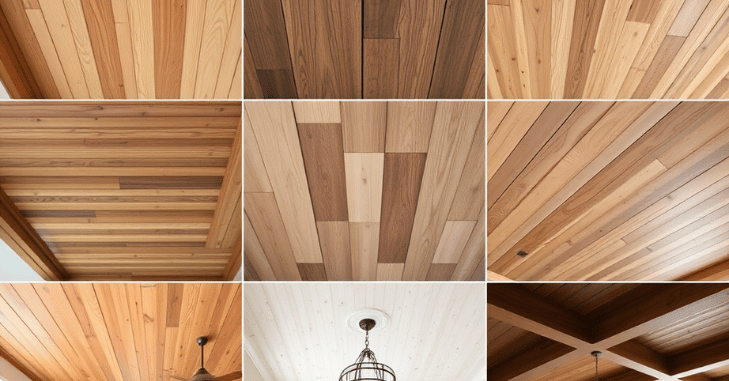
Tongue and Groove Panels
Made of wooden planks that interlock via a tongue-and-groove joint, this style creates a smooth, continuous surface ideal for cabins, cottages, and cozy interiors.
Shiplap Ceilings
Featuring overlapping wooden boards, shiplap ceilings offer a charming farmhouse look. They may be left natural, painted, or stained to coordinate with a variety of décor styles.
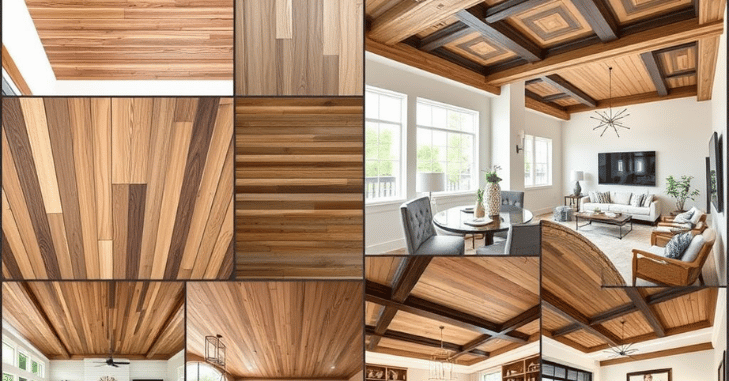
Coffered Wood Ceilings
This luxurious, classic style uses a grid of recessed wooden panels framed by beams, adding architectural interest and sophistication to high-end living rooms, dining rooms, or libraries.
Beadboard Panels
Characterized by narrow strips of wood with rounded ridges (‘beads’) between them, beadboard panels add traditional charm and are popular in kitchens, bathrooms, and sunrooms.
Reclaimed Wood Ceilings
Utilizing recycled wood from old barns, factories, or warehouses, reclaimed wood ceilings offer a sustainable and eco-friendly option that adds rustic character and history to interiors.
Installation Process of Wood Panel Ceilings
Step 1: Choose the Right Wood
Choose a wood species suitable for your design vision, budget, and local climate to ensure durability and aesthetics.
Step 2: Prepare the Ceiling Surface
Clean, level, and inspect the existing ceiling to ensure it can support the wood panels securely.
Step 3: Measure and Cut Panels
Accurately measure the ceiling area and cut wood panels precisely to fit, accounting for any architectural features.
Step 4: Install a Support Framework
Install furring strips or a support framework if needed to provide a level surface and secure panel attachment.
Step 5: Attach the Wood Panels
Secure panels with nails, screws, or construction adhesive based on the type of wood and finish desired.
Step 6: Finishing Touches
Apply stains, varnish, or paint to protect the wood and enhance its visual appeal.
Maintenance and Care for Wood Panel Ceilings
Proper maintenance ensures your wood panel ceiling remains beautiful and durable over time. Here are key care tips:
- Regular Cleaning: Dust panels frequently with a soft cloth or use a vacuum with a brush attachment to remove debris.
- Moisture Control: Prevent warping and mold by maintaining proper indoor humidity levels using dehumidifiers or ventilation, especially in humid climates.
- Periodic Polishing: Apply wood polish or natural oils periodically to maintain luster and protect the wood fibers from drying out or cracking.
- Pest Prevention: Regularly inspect for termites or wood-boring insects. Use appropriate protective treatments if necessary.
Cost Considerations
The overall cost of installing wood panel ceilings depends on factors such as wood species, panel size, labor complexity, and finishes. Updated average price ranges in 2024 are:
- Pine and Cedar Panels: $3 – $6 per square foot
- Oak and Mahogany Panels: $6 – $12 per square foot
- Reclaimed Wood Panels: $8 – $18 per square foot
Labor and installation may add an additional $4 – $9 per square foot depending on project complexity and location.
Environmental Impact and Sustainability
Wood panel ceilings can be an environmentally responsible design choice when sourced correctly. Many manufacturers now offer panels made from sustainably harvested forests certified by organizations such as the FSC (Forest Stewardship Council). Additionally, reclaimed and engineered wood options reduce waste and lower the demand for newly harvested timber.
Wood ceilings also contribute to healthier indoor environments by being free from synthetic materials commonly found in some ceiling systems.
Popular Applications of Wood Panel Ceilings
Residential Homes
Wood panel ceilings are popular in living rooms, kitchens, bedrooms, and dining areas, adding warmth, texture, and enhancing home interior aesthetics living rooms.
Commercial Spaces
Businesses such as hotels, upscale restaurants, and office spaces use wood ceilings to create inviting, sophisticated, and professional environments.
Historic and Heritage Buildings
Wood panel ceilings are essential in heritage restoration projects to preserve architectural authenticity while enhancing durability and aesthetic value.
Outdoor Patios and Gazebos
Weather-resistant wood panels are used for covered outdoor spaces like patios and gazebos, offering a natural, inviting ambiance while withstanding environmental exposure.
Design Options
Wood panel ceilings offer versatile design choices that include:
Tongue-and-Groove Panels: Seamless, interlocking planks suitable for traditional and farmhouse styles.
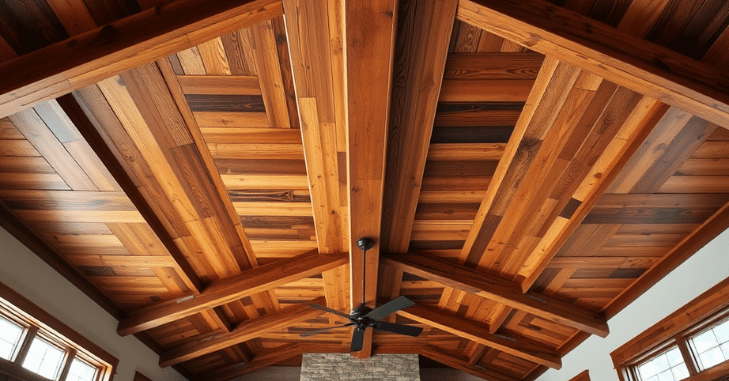
Exposed Beams: Add rustic or industrial charm with visible structural beams that provide architectural depth.
Geometric Patterns: Designs such as chevrons, grids, or herringbone patterns create modern, eye-catching ceilings.
Painted or Stained Finishes: Natural wood warmth or painted colors and stains allow coordination with any interior color scheme.
False Ceilings: These concealed frameworks allow hiding wiring, ductwork, and other utilities without sacrificing elegance.
Conclusion
Wood panel ceilings provide a perfect blend of natural beauty, durability, and functional benefits, making them a preferred architectural feature across diverse interior designs. Whether your style is classic, rustic, or modern, investing in wood ceilings enhances the ambiance, value, and comfort of your space.
Understanding the various wood types, design choices, installation procedures, and maintenance requirements empowers homeowners and designers to create stunning ceilings tailored to their needs. Wood panel ceilings are not just aesthetic enhancements but also a long-term investment toward an inviting, timeless interior atmosphere.
For more on related topics such as “Boob Light Replacement Ideas: Transform Your Space in Style and Creative Lighting Ideas for Your Home,” please visit our “Home Improvement” category for detailed insights.
Frequently Asked Questions (FAQs)
Common types of wood ceiling panels include shiplap, beadboard, and tongue and groove panels. Each offers distinct interlocking designs and visual styles.
Yes, wood ceilings add warmth, natural texture, and soft color tones that can brighten and relax a room’s ambiance in a way painted ceilings cannot
Wood is vulnerable to moisture and humidity, which can cause warping, bulging, or decay if not properly maintained, especially in kitchens and bathrooms
Hardwoods like oak, teak, and walnut are highly durable and preferred for ceilings. Pine is a popular cost-effective option with a softer look.
Costs vary widely but generally range from $2,000 to $15,000 for wood paneling on walls or ceilings in average-sized rooms, depending on wood type and installation complexity.
Additional FAQs
Regular dusting, avoiding excess moisture, periodic polishing, and pest inspections are key to maintaining wood panel ceilings.
Yes, wood ceilings help absorb sound and reduce echo levels, making them beneficial in music and media rooms or large open spaces
Absolutely. Using reclaimed wood reduces demand for new lumber and repurposes existing materials, making it a sustainable building option
Installation duration depends on room size and ceiling complexity but typically ranges from a few days to a week for standard residential projects.