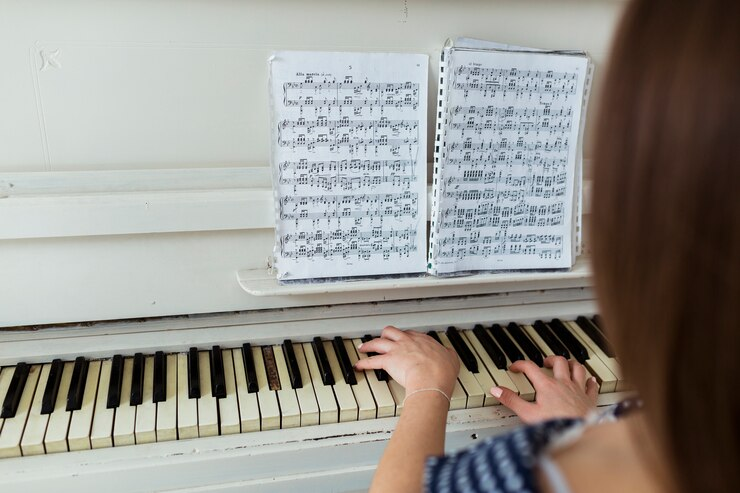
Every parent dreams of providing their child with opportunities to grow, learn, and discover their passions. Music education, especially through piano lessons in NYC, offers one of the most enriching experiences a child can have. It goes beyond simply learning to play an instrument—music nurtures creativity, builds confidence, fosters discipline, and provides a powerful outlet for emotional expression.
Among the many instruments available, the piano stands out as the ideal starting point for young learners. Its intuitive design and versatility make it accessible for beginners while offering endless possibilities for advancement. Unlike instruments that demand mastering complex techniques right from the start, the piano allows children to produce recognizable melodies almost immediately, sparking a sense of achievement and joy.
At MuseCool, we have witnessed firsthand how the piano serves as a gateway to a lifetime of musical exploration. Our teaching method combines expert instruction with innovative tools, creating an engaging and personalized experience for each student. Whether your child dreams of composing classical symphonies, playing jazz in lively venues, or accompanying their favorite pop songs, the piano is the stepping stone to turning those dreams into reality.
In this comprehensive guide, we’ll explore why the piano is the ultimate starter instrument for kids and how it lays the foundation for a lifelong passion for music. If you’re considering piano lessons for your child, MuseCool offers the most comprehensive and inspiring approach to get started.
Why the Piano Stands Out as the Ideal Starter Instrument
A Complete Musical Instrument
The piano is often called the “Swiss Army knife” of instruments—and for good reason. It seamlessly combines melody, harmony, and rhythm, offering everything a young musician needs in one instrument. Unlike other instruments that focus on a single aspect—such as melody with the flute or rhythm with drums—the piano enables kids to explore all facets of music simultaneously. They can play a melody with one hand while harmonizing with the other, creating a full, rich sound without additional accompaniment. This holistic musical experience provides immediate gratification and fosters a deeper understanding of musical composition.
Intuitive and Visual Keyboard Layout
One of the piano’s greatest benefits as a beginner-friendly instrument is its straightforward, logical design. The keyboard’s linear arrangement presents white and black keys clearly differentiating notes and scales. This physical layout visually represents music’s core relationships, such as intervals, chords, and scales, making it easier for children to grasp fundamental music theory concepts.
For example, a child can physically see and build a major chord by pressing three specific keys, reducing guesswork and flattening the learning curve often encountered with other instruments. This visual and tactile experience helps kids connect what they see with what they hear, reinforcing their learning while boosting confidence.
Early Rewards and Motivation
Children thrive on early success, and the piano offers just that. Unlike some instruments that require weeks or even months before producing pleasant sounds, the piano enables kids to start playing recognizable melodies like “Twinkle, Twinkle, Little Star” or “Happy Birthday” from the very first lessons—even for absolute beginners.
This immediate gratification keeps children engaged and excited about progress. The feedback loop of pressing a key and hearing a clear note makes practice feel less like work and more like play. This early sense of accomplishment motivates children to continue learning and builds their self-confidence as young musicians.
By combining versatility, an intuitive design, and quick results, the piano emerges as the ultimate starter instrument for kids, giving them the tools to explore and enjoy music with ease and enthusiasm.
Developmental Benefits of Piano Lessons for Children
Learning to play the piano is more than just creating beautiful music—it supports a child’s holistic development. From boosting cognitive abilities to enhancing emotional well-being, piano lessons contribute significantly to shaping a child’s skills and character.
Enhanced Cognitive Growth
Playing the piano exercises the brain in unique ways, improving memory, concentration, and multitasking. Reading sheet music while coordinating both hands demands mental agility, strengthening neural connections and enhancing problem-solving capabilities. As a result, children develop increased focus and a greater aptitude for processing complex information.
Fine Motor Skills Development
The piano is excellent for developing hand-eye coordination and fine motor skills, as each finger typically functions independently. This training improves dexterity, which benefits tasks such as writing, drawing, and sports requiring precise hand control.
Healthy Emotional Expression
The piano offers children a powerful outlet to express feelings they may not yet have the words for. Playing music helps them explore a range of emotions—from joy to sadness—which boosts mood, reduces stress, and enhances emotional intelligence.
Discipline and Patience Development
Mastering the piano requires regular practice and diligence, teaching children the importance of perseverance. Structured lessons and repeated practice instill discipline and patience, valuable traits that extend to many other areas of life.
Detailed Table: Key Benefits of Piano Lessons for Children
| Benefit | Description | Examples of Impact |
| Cognitive Growth | Improves memory, concentration, and multitasking by coordinating reading, rhythm, and hand movements. | Better academic results in math and reading; enhanced problem-solving skills. |
| Motor Skills Development | Enhances hand-eye coordination and fine motor control with precise finger movements. | Improved handwriting; improved performance in activities requiring dexterity. |
| Emotional Expression | Provides a creative outlet to express emotions, reducing stress and fostering emotional health. | Heightened self-awareness; greater empathy and emotional resilience. |
| Discipline and Patience | Encourages persistence through consistent practice, teaching goal-setting and perseverance. | Improved ability to set and pursue goals; resilience in academic and personal challenges. |
By nurturing these critical developmental areas, piano lessons help shape confident, well-rounded children prepared for life’s challenges and opportunities.
How the Piano Builds a Strong Foundation for Musical Growth
The piano is much more than a beginner’s instrument—it establishes a solid musical foundation that supports lifelong learning. Through mastering the piano, young musicians acquire essential skills and knowledge that make exploring other instruments and musical styles easier and more rewarding.
Comprehensive Understanding of Music Theory
The piano’s simple layout uniquely facilitates learning fundamental music theory concepts:
- Visual Learning: The keyboard displays clear relationships between scales, chords, and intervals, aiding comprehension.
- Immediate Application: Children can instantly experiment with harmonies, rhythms, and melodies, turning theory into practice.
- Strong Rhythmic Sense: Coordinating both hands enhances understanding of timing and rhythm, essential for any musical endeavor.
Smooth Transition to Other Instruments
Piano skills lay the groundwork for learning other instruments by developing transferable abilities:
- Scales and Fingering: Understanding of finger positioning and scales on piano transfers easily to violin, guitar, flute, and more.
- Ear Training: Enhanced pitch recognition helps with tuning and playing other instruments accurately.
- Music Reading: Fluency in reading both treble and bass clefs supports musicianship across diverse instruments.
Development of Ensemble Skills
Piano lessons prepare children to perform confidently in group contexts where coordination and harmony are crucial:
- Improved Rhythm and Timing: Practice with metronomes and accompaniments develops precise timing invaluable in ensembles.
- Harmony Understanding: Playing chords enhances awareness of how parts fit together in group performances.
- Collaboration Skills: Participating in duets, recitals, and concerts teaches teamwork and adaptability.
Key Takeaways: How Piano Supports Musical Development
- Comprehensive Music Theory Knowledge: Children intuitively learn scales, chords, and rhythms.
- Skill Transfer: Piano techniques facilitate smoother learning of other instruments and music styles.
- Performance Readiness: Ensemble skills gained from piano lessons build confidence and coordination for group playing.
By building a strong foundational skill set, the piano prepares children for exploring and excelling in the wider world of music.
Keeping Kids Engaged: Essential Tips for Parents
Maintaining motivation during piano learning is key for progress and enjoyment. While rewarding, learning an instrument can challenge children’s interest—parents play a crucial role in sustaining enthusiasm. Here are effective strategies to keep your child engaged and excited about piano lessons.
Celebrate Every Milestone
Recognizing and celebrating your child’s achievements, no matter how small, boosts confidence and motivation. Whether it’s mastering a simple song or successfully coordinating both hands for the first time, acknowledging progress reinforces the value of their effort. Simple rewards like applause or small tokens can transform practice into a positive experience.
Select Fun, Age-Appropriate Music
Choosing music that matches your child’s interests and abilities keeps lessons enjoyable. Younger kids may prefer playful tunes or songs from favorite films, while older children might enjoy mastering more complex compositions. Involving them in the selection nurtures autonomy and enthusiasm.
Leverage Gamified Learning Tools
Modern technology can turn piano practice into a fun, interactive adventure. Educational apps featuring progress tracking, challenges, and rewards motivate children and add variety to their routine, helping to maintain long-term interest in learning.
Find the Right Tutor and Learning Environment
An encouraging, patient teacher tailored to your child’s learning style makes all the difference. Choose tutors who personalize lessons and create a supportive atmosphere. Whether at home or in a studio, a distraction-free, welcoming environment encourages creativity and comfort while learning.
By celebrating progress, matching lessons to interests, and fostering a positive environment, parents can help young pianists stay enthusiastic and enjoy their musical journey. These efforts nurture not only piano skills but also a lifelong love of creativity and learning.
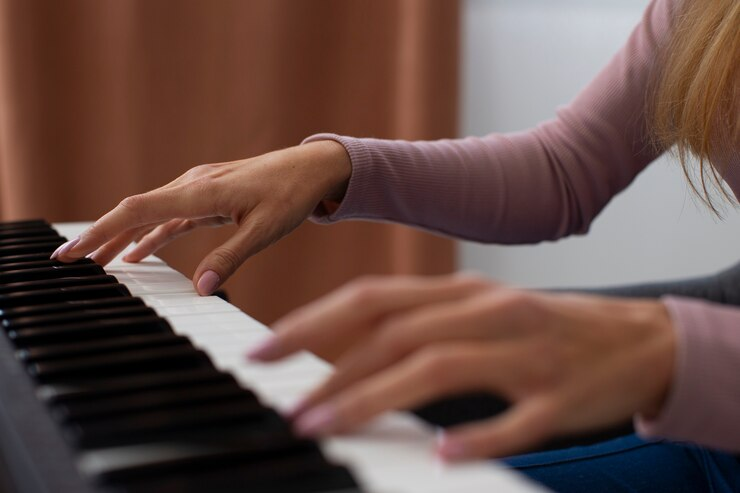
Why Start Early? The Long-Term Benefits of Piano Lessons
Starting piano lessons at a young age is a powerful investment in your child’s future—not just musically but across all areas of personal development. Early musical education cultivates skills and habits that positively influence academic achievement, creativity, and emotional growth.
The Advantages of Early Piano Education
Young children are natural learners who quickly absorb new information with enthusiasm. Early piano lessons harness this developmental window to build crucial skills like hand-eye coordination, rhythm recognition, and flexible thinking. These foundational skills ease music learning and contribute to other life areas.
Children who start early also develop valuable routines in discipline and time management. Through consistent practice, they learn goal-setting and dedication—abilities that serve them well academically and personally throughout their lives.
The Connection Between Music Education and Academic Success
Extensive research confirms that early music exposure enhances academic performance. Piano lessons improve memory, attention, and analytic thinking—skills critical for success in school. For example, musical training strengthens abilities in math, because of the patterns, fractions, and sequencing involved.
Moreover, music education fosters critical thinking and attentive listening, benefiting reading comprehension and communication skills. Stimulating both brain hemispheres, piano lessons provide a holistic cognitive workout.
Encouraging Creativity and Essential Life Skills
Learning piano ignites creativity, giving children an expressive outlet that builds confidence and emotional resilience—qualities vital personally and professionally. Many successful individuals attribute their early piano training to developing discipline, perseverance, and adaptability.
Performing in recitals, for instance, enhances public speaking and presentation skills, benefits that last well into adulthood. Early piano education cultivates a love of music and arms children with skills that foster success broadly.
Conclusion: The Piano as a Gateway to Lifelong Musical Enjoyment
The piano stands as the ultimate first instrument for children, blending approachability with vast growth potential. Its intuitive design, versatility, and fundamental role in music theory make it the perfect choice for young beginners. More than just music education, piano lessons foster critical life skills like discipline, creativity, and emotional expression, shaping well-rounded individuals.
Parents seeking to nurture their child’s creativity, confidence, and enduring passion for music will find the piano invaluable. From playing their first tune to performing confidently before an audience, the piano opens the door to a rich world of musical accomplishments and lifelong joy.
At MuseCool, we recognize the importance of fostering a supportive, inspiring environment for young musicians. Our expert tutors, trained at top institutions, merge traditional teaching with cutting-edge technology to ensure every student achieves their full potential. With a focus on personalized instruction and a vibrant musical community, we don’t just teach music—we nurture thriving musicians.
If you’re ready to unlock your child’s musical potential, there’s no better time to begin. Start your child’s piano journey today and open the door to a lifetime of creativity and fulfillment!
Additionally, if you’re interested in learning about “Music and arts festivals in Tasmania,” check out our “Daily Bites” category for more informative content.
Frequently Asked Questions (FAQs)
The ideal starting age varies, but many children begin piano lessons between ages 4 and 7. Early lessons can build foundational skills, though starting later can also be very successful.
Consistent, short daily practice sessions (15-20 minutes) are more effective than infrequent long sessions. Regular practice helps build skill and confidence over time.
Yes. Research shows piano lessons enhance concentration, memory, and problem-solving skills, which positively affect academic results, especially in math and language arts.
Absolutely. The piano develops essential skills like music reading, finger dexterity, and ear training that transfer easily to other instruments like violin, guitar, or flute.
Celebrate small victories, choose music that interests them, incorporate technology and games, and ensure a supportive learning environment to keep motivation high.