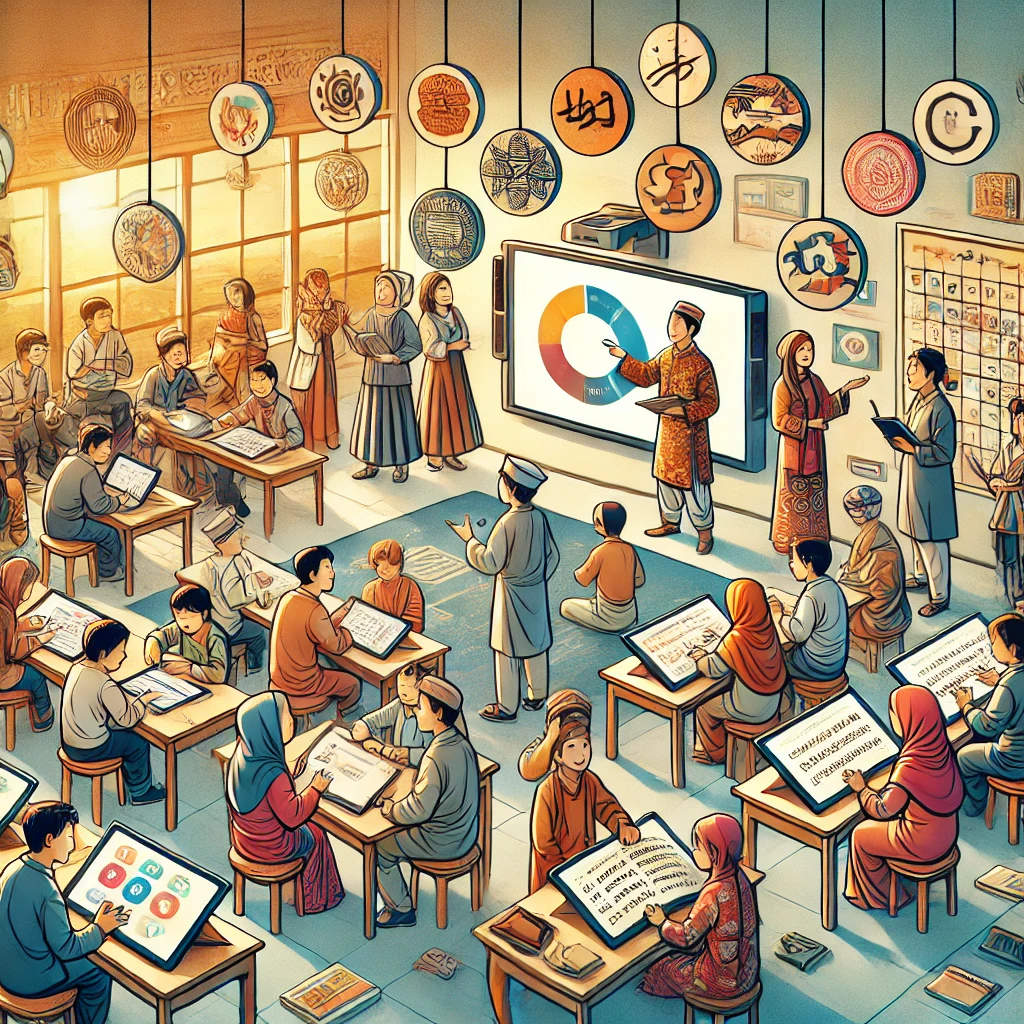
The Role of Culture in Learning
Culture is more than a mere backdrop in the educational landscape; it is a dynamic force that intricately shapes how learning is perceived, structured, and transmitted across generations. At its core, culture influences the methodologies employed in teaching and learning and the kind of knowledge deemed valuable. Understanding culture’s impact on learning is imperative for educators who aim to create inclusive and effective educational environments.
Integrating cultural awareness into curriculum design is more than beneficial for educators—it’s essential. As societies become increasingly multicultural, the complexity of delivering education that resonates with all students becomes more pronounced. Fostering cultural inclusivity within the classroom ensures that every student feels understood and valued, laying the groundwork for a more engaging and effective educational experience. This requires educators to be aware of cultural biases and actively seek ways to incorporate diverse perspectives into their teaching practice.
Understanding Different Cultural Contexts
The world’s cultural landscape is a mosaic of diverse learning contexts, each characterized by unique educational norms and values. These cultural variances go beyond superficial differences in language or tradition and delve into deeper aspects such as familial structures, community roles, and intrinsic value systems. Recognizing and understanding these differences is crucial for educators seeking to implement strategies catering to various learning preferences.
In many African cultures, for example, learning transpires within communal settings where knowledge is shared and dispersed among all members, fostering a robust sense of community and collective responsibility. Conversely, Western educational systems often emphasize individual achievement and competition, prioritizing personal success over collective well-being. These differences highlight the various approaches cultures take toward learning, demonstrating an essential need for education systems to respect and incorporate these diverse methodologies to maximize student engagement and success.
Traditional Learning Methods Across Cultures
Every culture has devised its traditional educational methods, deeply intertwined with its history and societal norms. These practices offer not only academic knowledge but also instill essential cultural values and life skills that are relevant to their specific communities. From the apprenticeship model prevalent in early European guilds to the oral storytelling traditions found in many Indigenous cultures, these methods provide rich, immersive learning experiences.
Incorporating traditional learning methods into modern curricula can yield multifaceted benefits. For instance, using folktales in classrooms helps preserve cultural narratives and engages students’ imagination and critical-thinking skills. These stories can serve as powerful tools for teaching broader life lessons and moral values, reflecting the importance of culturally responsive teaching, which seeks to tailor educational experiences better to reflect students’ lives and communities. Such inclusion helps students see their culture valued and respected within the educational system, which can enhance their engagement and willingness to learn.
The Impact of Language on Education
Language is a primary vehicle of cultural expression and a cornerstone for educational practices. It serves as a medium for instruction and a symbol of cultural identity. In multilingual settings, students who receive education in their native languages often enjoy cognitive benefits, including enhanced memory retention and improved problem-solving skills. This language-based approach fosters a natural connection to learning, aiding comprehension and retention.
However, the global dominance of certain languages, such as English, poses challenges to maintaining native languages within formal education. This dynamic can marginalize native languages, risking a disconnect from cultural roots. Educational systems face the task of balancing the benefits of global lingua francas with nurturing local languages, which are imbued with cultural significance and historical context. Initiatives that promote bilingual education address academic skills and enhance cultural preservation, celebrating linguistic diversity as an educational asset rather than a challenge.
Cultural Values and Educational Priorities
The values intrinsic to a culture greatly influence its educational system and priorities. These values dictate what is taught and how and why it is valued. In some Asian cultures, educational systems emphasize discipline, respect, and academic excellence, mirroring societal expectations. Such environments foster rigor and determination, preparing students for competitive futures.
In contrast, many Scandinavian countries prioritize student well-being, creativity, and problem-solving within their educational frameworks. Finland, for instance, places high importance on fostering creativity and independence among students, reflecting its cultural commitment to equity and social welfare. These differences underscore the necessity for culturally informed educational policies aligning with a community’s values and needs, yielding greater educational relevance and effectiveness. Attention to these cultural values ensures that education systems are responsive, equitable, and reflective of the societies they serve.
Balancing Tradition with Modern Technology
Technology integration in classrooms offers unparalleled opportunities to revolutionize education, yet maintaining cultural relevance requires a thoughtful balance. While technology enables access to a broad range of resources and perspectives, it risks overshadowing traditional practices rich in cultural heritage and learning experience. Therefore, educators must strive to find a harmonious blend of both worlds.
Digital storytelling, educational apps, and interactive curriculums are just a few ways technology can complement traditional learning methods. These tools provide dynamic and engaging learning experiences that can cater to varying learning styles, enhancing students’ educational journeys. However, caution is necessary to ensure that technology does not marginalize the cultural elements that have defined education for countless generations but instead enhances them, offering students a comprehensive and culturally rich education.
Case Studies: Insights from Around the Globe
Exploring real-world examples from different countries deepens our understanding of how diverse educational systems navigate the convergence of traditional and modern educational practices. In Japan, there is an emphasis on combining high-tech educational solutions with time-honored traditions like calligraphy and poetry. This blend aims to teach technical skills and instill cultural appreciation and discipline.
Similarly, New Zealand successfully integrates Maori cultural principles, known as Tikanga, into the national curriculum. These practices ensure that Indigenous perspectives are respected and preserved within the educational framework. These case studies highlight the success of blending cultural education with modern pedagogies, offering pathways societies can follow to ensure well-rounded and culturally relevant education.
Looking Forward: Integrating Cultures in Global Learning
With globalization drawing societies closer, educational frameworks must continually evolve to incorporate diverse cultural perspectives. Designing curricula emphasizing inclusivity promises improved learning outcomes and equips students with the skills needed to thrive in an increasingly interconnected world. Such an approach fosters a student body that is both knowledgeable and culturally empathetic.
The future lies in a balanced integration of various cultural narratives, promoting an environment where students learn to appreciate their backgrounds while respecting those of others. By weaving cultural awareness into the fabric of global education, institutions can cultivate learners prepared for academic challenges and possess the social consciousness necessary to contribute positively to a diverse and global community.
Apart from that if you want to know about “What are the ways for students” then please visit our “Education” Category.