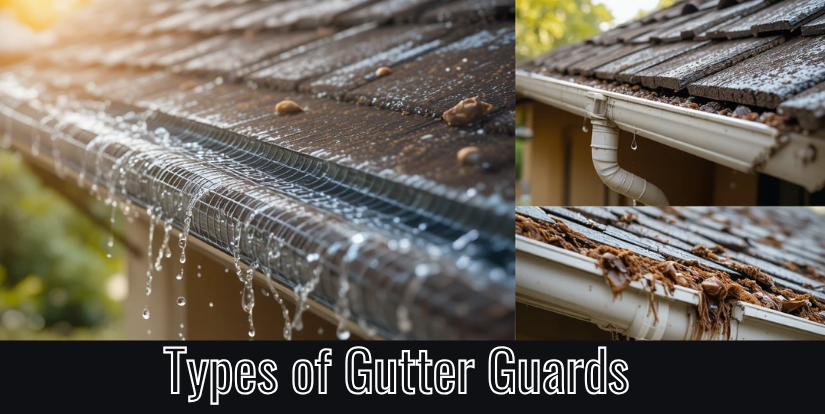
Types of Gutter Guards
Gutter guards are an essential component of a well-functioning drainage system. They help prevent debris from clogging gutters, ensuring that water flows freely away from your home. With various types of gutter guards available, choosing the right one can significantly extend the lifespan of your gutters and improve overall home protection.
Keeping your gutters clean is one of the most important yet often overlooked aspects of home maintenance. Clogged gutters can lead to roof leaks, water damage, foundation erosion, and even mold growth. To prevent these costly issues, homeowners increasingly turn to gutter guards, protective systems that block leaves, debris, and pests from entering gutters while allowing rainwater to flow freely.
Whether you’re a DIY enthusiast or hiring professionals, this article will help you make a wise, informed investment. This comprehensive guide will explore the different materials, pros and cons, costs, installation processes, and long-term benefits of gutter guards. Elsewhere on the site: How Catastrophic Injury Claims Can Help Cover Long Term Care Costs.
| Type | Material | Cost (Installed) | Pros | Cons | Lifespan |
| Screen | Aluminum, PVC | $4–$7/ft | Cheap, easy to install | Clogs with fine debris | 5–10 yrs |
| Mesh / Micro-Mesh | Aluminum, Stainless Steel | $6–$15/ft | Excellent filtration, durable | Higher cost | 15–25 yrs |
| Reverse Curve | Aluminum, Plastic | $10–$25/ft | Low maintenance, long-lasting | Expensive, pro install | 20+ yrs |
| Foam Inserts | Polyurethane Foam | $2–$7/ft | Very affordable, DIY | Degrades quickly | 2–3 yrs |
| Brush Inserts | Nylon Bristles | $2–$6/ft | Easy DIY setup | Frequent cleaning | 3–5 yrs |
Understanding Gutter Guards
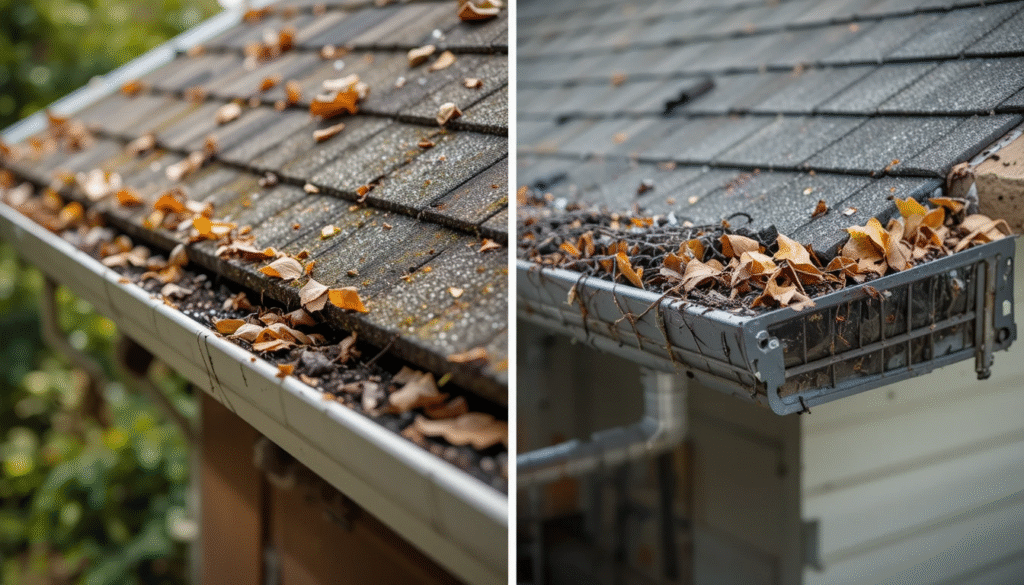
Gutter guards are protective covers designed to keep leaves, twigs, and other debris out of your gutters. By doing so, they help reduce the frequency of gutter cleaning and the risk of water damage to your home’s foundation, roof, and landscaping.
Why Install Gutter Guards?
- Reduced Maintenance: Gutter guards minimize the need for frequent cleaning.
- Improved Water Flow: They ensure that rainwater flows freely, reducing overflow and potential water damage.
- Pest Prevention: They can deter pests from nesting in your gutters.
- Extended Gutter Lifespan: By preventing clogs and rust, gutter guards can prolong the life of your gutters.
Types of Gutter Guards
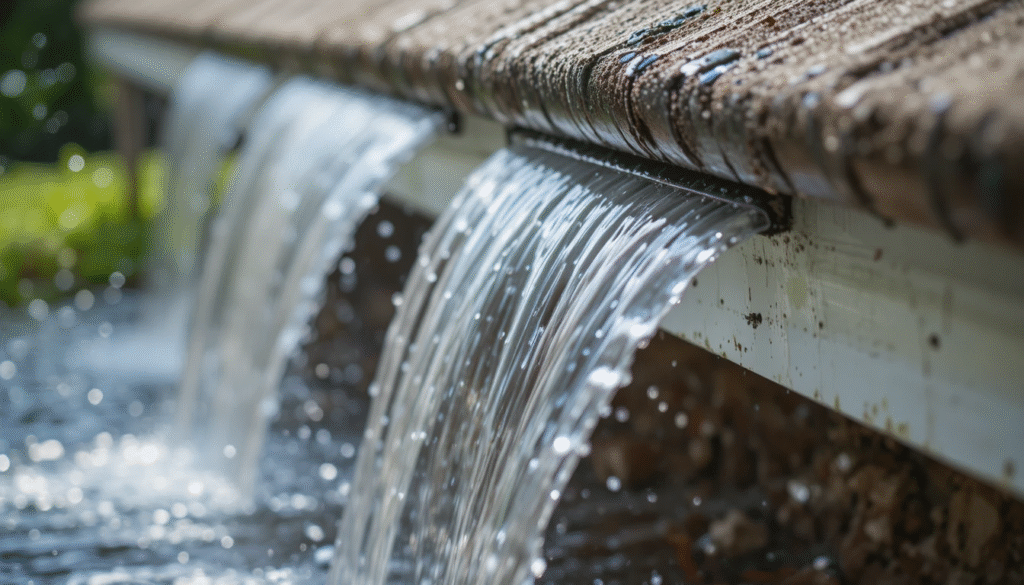
Gutter guards come in various materials and designs, each with unique advantages and disadvantages. Here’s a detailed look at the most common types:
1. Screen Gutter Guards
Description: Screen gutter guards consist of a fine mesh screen that sits over the gutter. They allow water to flow through while blocking larger debris.
Pros:
- Affordable and easy to install.
- Effective at keeping out leaves and twigs.
Cons:
- It can become clogged with small debris, such as pine needles.
- May require occasional cleaning.
Cost: $1 to $3 per linear foot.
2. Mesh Gutter Guards
Description: Mesh gutter guards are similar to screens but typically have a finer mesh that can block smaller debris.
Pros:
- Better at keeping out small debris compared to screen guards.
- Durable and long-lasting.
Cons:
- Installation can be slightly more complicated.
- Still may require some maintenance.
Cost: $2 to $4 per linear foot.
3. Foam Gutter Guards
Description: Foam gutter guards are made from porous foam that fits directly into the gutter. They allow water to flow through while preventing debris from entering.
Pros:
- Easy to install and remove.
- Effective in blocking leaves and debris.
Cons:
- It can trap water and promote algae growth if not maintained.
- Less durable than metal options.
Cost: $3 to $5 per linear foot.
4. Solid Gutter Guards
Description: Solid gutter guards feature a solid surface with holes or slots that allow water to enter while keeping out debris.
Pros:
- Highly effective at preventing debris buildup.
- Minimal maintenance required.
Cons:
- Higher initial cost.
- May require professional installation.
Cost: $5 to $15 per linear foot.
5. Reverse Curve Gutter Guards
Description: These guards are designed to direct water into the gutter while allowing debris to slide off.
Pros:
- Highly efficient in directing water flow.
- Prevents most types of debris from entering.
Cons:
- It can be expensive to install.
- May require professional installation.
Cost: $7 to $15 per linear foot.
6. Micro-Mesh Gutter Guards
Description: Micro-mesh guards use a fine mesh that blocks even the most minor debris while allowing water to flow freely.
Pros:
- Excellent at preventing clogs.
- Long-lasting and durable.
Cons:
- Higher upfront cost.
- May require professional installation.
Cost: $5 to $10 per linear foot.
Cost Comparison Table of Gutter Guards
| Type of Gutter Guard | Cost per Linear Foot | Maintenance | Effectiveness Against Debris |
| Screen Guards | $1 – $3 | Moderate | Moderate |
| Mesh Guards | $2 – $4 | Moderate | High |
| Foam Guards | $3 – $5 | High | Moderate |
| Solid Guards | $5 – $15 | Low | Very High |
| Reverse Curve Guards | $7 – $15 | Low | Very High |
| Micro-Mesh Guards | $5 – $10 | Low | Very High |
Installation of Gutter Guards
DIY Installation
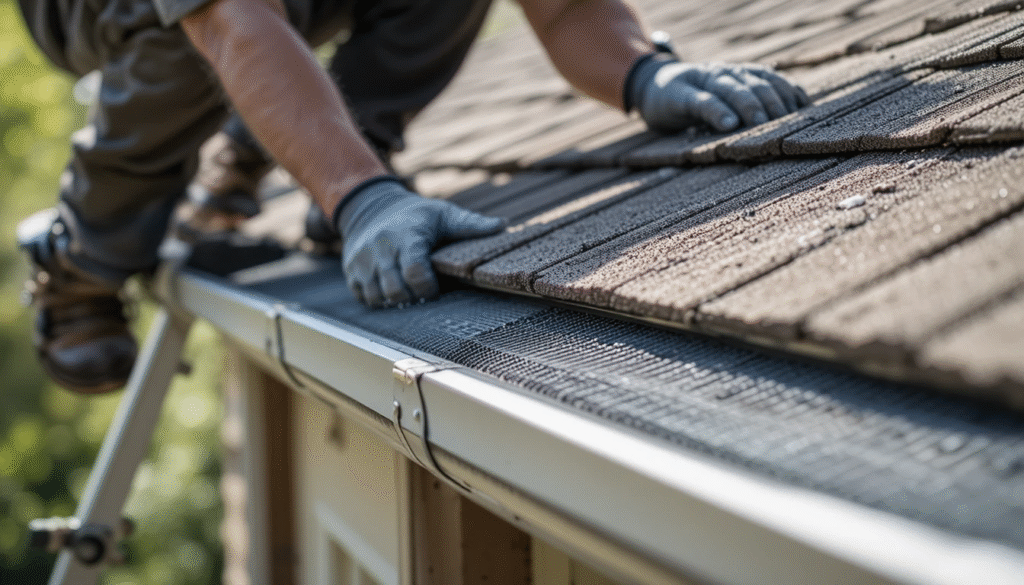
Many homeowners choose to install gutter guards themselves, especially for simpler models like screen or foam guards. Here are the basic steps:
- Clean the Gutters: Remove any existing debris and ensure that the gutters are clean.
- Measure and Cut: Measure the length of the gutters and cut the guards to fit.
- Install the Guards: Follow the manufacturer’s instructions for securing the guards in place. Some may require clips, while others slide into place.
- Test for Water Flow: After installation, run water through the gutters to ensure they are functioning correctly.
Professional Installation
For more complex systems, such as solid or reverse curve guards, hiring a professional is advisable. Professionals can ensure guards are installed correctly, thereby enhancing their effectiveness and longevity.
Cost of Installation: Professional installation typically ranges from $100 to $300, depending on the type of gutter guard and the size of your home.
Long-Term Protection and Maintenance

Benefits of Gutter Guards
Investing in gutter guards is one of the most intelligent long-term decisions for protecting your home’s structure and reducing maintenance hassle. Here’s how they make a difference:
1. Prevent Water Damage
Clogged gutters often cause rainwater to overflow, leading to roof leaks, fascia rot, and even foundation cracks. Gutter guards help ensure proper water flow through the drainage system, preventing costly water-related damage to your roof, siding, and home foundation.
2. Lower Maintenance Costs
Without gutter guards, most homeowners need to clean their gutters several times a year. Installing guards significantly reduces this frequency, cutting cleaning costs, minimizing ladder-related safety risks, and saving both time and money in the long run.
3. Increase the Lifespan of Your Gutters
When debris, twigs, and leaves accumulate, they trap moisture that accelerates rust and corrosion. Gutter guards keep debris out, allowing proper airflow and drainage. This protection helps extend your gutter system’s lifespan and reduces the need for frequent repairs or replacements.
Maintenance Requirements
While gutter guards reduce the need for frequent cleaning, some maintenance is still necessary:
- Regular Inspections: Check your gutter guards periodically, especially after storms, to ensure they are functioning correctly.
- Cleaning: Remove any debris from the top of the guards. This is especially important for mesh and screen types.
- Repairs: Address any damage to the gutter guards promptly to maintain their effectiveness.
Conclusion
Choosing the correct type of gutter guard is essential for protecting your home from water damage and reducing maintenance. With various materials available, each offering unique benefits and costs, it’s crucial to evaluate your specific needs and budget.
Whether you opt for screen guards, solid guards, or micro-mesh systems, investing in quality gutter guards will provide long-term benefits, ensuring your gutters function efficiently and effectively. By understanding the installation process and maintenance requirements, you can make an informed decision that will keep your home safe and dry for years to come.
Want to know about The Attic Insulation Process Check out our Home Improvement category.
FAQs
Gutter guards are protective covers designed to prevent debris from entering gutters, ensuring proper water flow and reducing maintenance.
While gutter guards significantly reduce cleaning frequency, some maintenance is still required to remove debris that may accumulate on top.
Common types include screen guards, mesh guards, foam guards, solid guards, reverse curve guards, and micro-mesh guards.
Many gutter guards are designed for DIY installation, but more complex systems may require professional assistance.