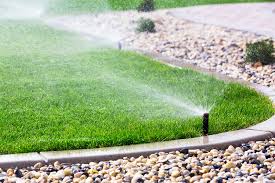
Maintaining a lush, green landscape is a top priority for many homeowners, but keeping your lawn and garden well-hydrated without wasting water or increasing costs can be challenging. Fortunately, advancements in irrigation technology are making it easier than ever to achieve a beautiful yard while conserving water and cutting expenses. Whether you’re installing a new irrigation system or upgrading an existing one, today’s innovations offer smarter, more efficient, and customized solutions tailored to your specific landscape needs.
In this article, we’ll explore the latest innovations in landscape irrigation—from smart systems that adapt automatically to weather conditions, to eco-friendly drip irrigation methods. Discover how these cutting-edge solutions can benefit your residential home, saving you time, water, and money.
Why Efficient Irrigation Matters
Understanding the importance of efficient irrigation is essential, especially for residential landscapes. Traditional watering methods often lead to significant water waste caused by evaporation, runoff, or overwatering. This inefficiency not only increases your water bills but also strains local water resources—an issue that is particularly pressing in drought-prone or water-restricted regions.
Efficient irrigation practices improve plant health by delivering the right amount of water at optimal times. Overwatering can cause issues such as root rot and pest infestations, while underwatering stresses plants, reducing their vitality. Implementing efficient irrigation safeguards your landscape’s health and supports sustainable water use.
Let’s Discuss: Have You Noticed Areas in Your Yard Where Water Pools or Dries Out Quickly? These Might Indicate an Ineffective Irrigation System.
Read More: Create the Perfect Ambiance with The Best Solar Lights for Yard
Smart Irrigation Systems: The Future of Lawn Care
One of the most revolutionary advances in landscape irrigation is the development of smart irrigation systems. These systems use cutting-edge technology to monitor soil moisture, weather forecasts, and plant water needs in real time, automatically adjusting watering schedules. This precision ensures your lawn and garden receive optimal watering—no more, no less.
1. Wi-Fi-Enabled Controllers
Wi-Fi-enabled irrigation controllers connect seamlessly to smartphones and tablets, giving you complete control over your irrigation system, wherever you are. These controllers eliminate manual adjustments and the uncertainty of watering needs during vacations. You can monitor your system remotely, adjust settings instantly, and receive alerts for issues like broken sprinkler heads or leaks.
- Tip: Many Wi-Fi controllers integrate with local weather data to automatically pause watering during rainfall, saving both water and money.
2. Soil Moisture Sensors
Soil moisture sensors enhance smart irrigation by measuring the actual moisture level at different points in your landscape. These sensors send data to your system’s controller to water only when soil is dry, preventing overwatering and promoting plant health. They are especially effective in yards with varying soil types and plant species.
- Tip: Install multiple sensors across different zones to provide tailored watering based on unique soil and plant needs.
3. Weather-Based Adjustments
Smart irrigation systems often utilize evapotranspiration (ET) technology which analyzes weather conditions to determine how much water your landscape loses through evaporation and transpiration. Watering schedules are adjusted accordingly—more water on hot, dry days and less on cool or rainy days—optimizing water use and plant health.
- Tip: ET-based irrigation systems are ideal for areas with variable weather, reducing water waste by watering only when necessary.
Eco-Friendly Irrigation: Sustainable Solutions for Every Yard
Alongside smart technologies, eco-friendly irrigation methods have gained traction as efficient, sustainable ways to maintain healthy landscapes. These options appeal to homeowners aiming to reduce water consumption without compromising beauty or plant vitality.
1. Drip Irrigation
Drip irrigation is one of the most efficient watering techniques, ideally suited for garden beds, shrubs, and vegetable patches. Instead of spraying water broadly, drip systems deliver water directly to plant roots through a network of tubes and emitters, minimizing evaporation and runoff. This method ensures maximum water efficiency and healthier plants.
- Tip: Customize emitter flow rates to meet the distinct water needs of various plants, making drip irrigation perfect for diverse landscapes.
2. Rainwater Harvesting
Why depend solely on municipal water when you can collect and use rainwater for irrigation? Rainwater harvesting systems capture runoff from rooftops, storing it for yard watering. This sustainable method reduces reliance on treated water and cuts overall utility costs.
- Tip: Combine rainwater harvesting with drip irrigation for an ultra-efficient, eco-friendly irrigation solution that maximizes water conservation.
3. Gray Water Irrigation
Gray water—recycled water from showers, sinks, and laundry—can be repurposed for irrigation of lawns, trees, and ornamental plants. While not suitable for edible plants, gray water systems offer a sustainable alternative in areas with strict water conservation needs.
- Tip: Before installing a gray water system, check local regulations as permits or guidelines may apply to residential use.
Zone Irrigation: Customizing Watering for Different Areas
A common irrigation mistake is applying uniform water amounts across your entire yard. However, varying plants, soil types, and sun exposure require tailored watering schedules. Modern irrigation systems allow you to divide your landscape into zones, each receiving precise water quantities suited to its specific needs.
1. Customizing Zones Based on Plant Types
Lawns typically require more frequent watering than flowerbeds or trees. Areas with shade need less water than sunny spots. Grouping plants with similar water demands in the same zone enables efficient watering and healthier plants.
- Tip: Grouping similar water-use plants optimizes system efficiency and prevents over or underwatering.
2. Smart Controllers for Zone Control
Many smart controllers support individual scheduling per zone. This capability allows you to water high-demand zones more often, while reducing frequency for drought-resistant or shaded areas, delivering substantial water savings over time.
- Tip: Use smart controllers that track zone-specific water usage to identify and correct overwatering issues.
The Role of Professional Installation
While some irrigation systems are DIY-friendly for small or simple setups, professional installation ensures your system is designed perfectly from the start. SeattleLandscapes.com offers top-notch Seattle irrigation systems that promote efficient water use and maintain vibrant landscapes year-round. Experts assess your yard’s unique requirements, recommend appropriate products, and configure your system for optimal operation.
Professionals can also troubleshoot common issues such as improper zone design, water pressure problems, or inadequate coverage before they impact plant health. For complex or extensive landscapes, professional installation saves you time, money, and headaches.
Let’s Discuss: Are You Upgrading Your Irrigation System or Starting Fresh? What’s Your Biggest Concern—Water Conservation, Convenience, or Cost?
With numerous innovative options available, it’s simpler than ever to design a custom irrigation system that matches your priorities and budget. Whether smart technology, eco-friendly methods, or a combination fits your needs, today’s solutions can deliver greener, healthier landscapes with less effort.
Conclusion: Smart Solutions for a Beautiful, Water-Efficient Yard
Innovative irrigation technologies are changing how homeowners maintain their landscapes. From Wi-Fi-enabled controllers and soil moisture sensors to drip irrigation and rainwater harvesting, modern systems provide unmatched precision, efficiency, and sustainability.
Investing in a smart irrigation solution guarantees your yard stays vibrant while conserving water and controlling costs. Whether installing new or upgrading existing setups, today’s irrigation future is smarter and greener than ever.
Let’s discuss: Which part of your yard challenges you most when it comes to watering? Could a smart irrigation system or eco-friendly drip irrigation work for your home help? Assess your landscape’s specific needs and explore how these innovative solutions can help you create a beautiful, healthy yard with minimal effort.
For more information on “Eco-Friendly Home Improvements: Aluminium Windows vs. PVCu Windows,” please visit our “Home Improvement” category.
Frequently Asked Questions (FAQs)
Smart irrigation systems reduce water waste by adjusting schedules based on weather and soil moisture data. They provide convenience through remote control and alerts, improve plant health by watering efficiently, and can lower your water bills.
Drip irrigation delivers water directly to plant roots, minimizing evaporation and runoff. This targeted watering ensures more efficient use of water and promotes healthier plants.
Yes, rainwater harvesting captures natural rainfall for reuse, reducing dependence on municipal water and lowering water bills. It is a sustainable method that works well when combined with efficient irrigation systems.
Basic systems may be DIY-friendly, but professional installation is recommended for complex landscapes to ensure proper design, zoning, and system calibration for maximum efficiency.
Gray water irrigation uses recycled household water from sinks, showers, or laundry (not toilets) for watering non-edible plants. When installed correctly and following local guidelines, it is a safe, sustainable water-saving option.