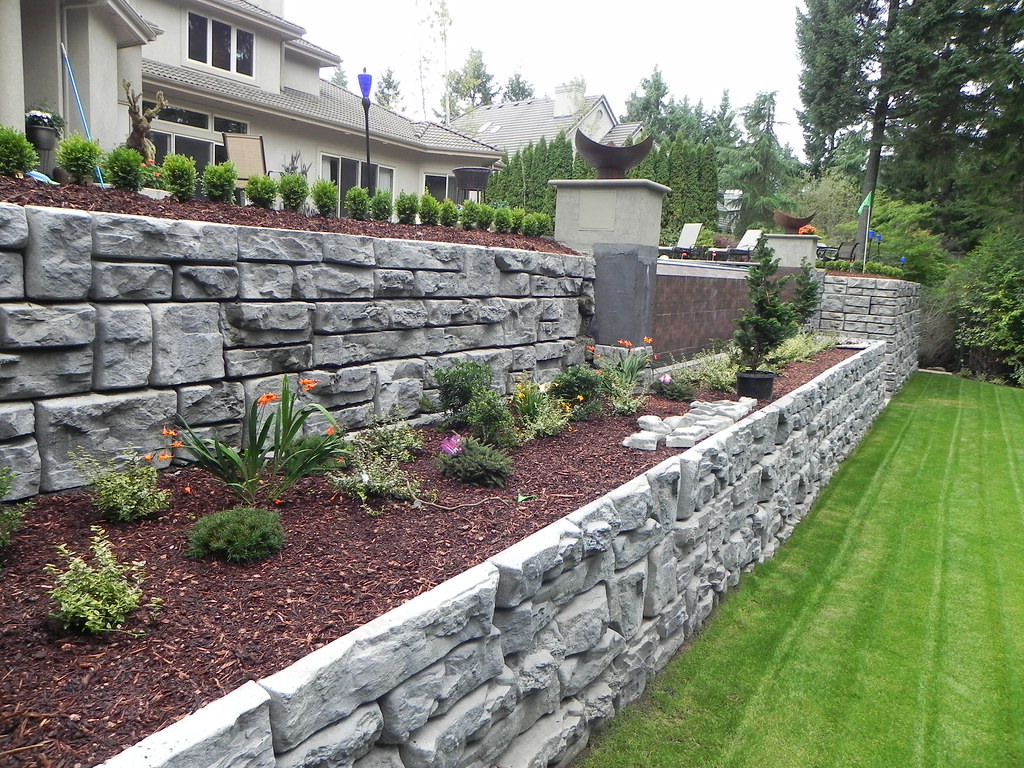
Rock retaining walls are more than just functional additions to your outdoor space—they’re a beautiful way to enhance the overall look and feel of your landscape. Whether you’re dealing with sloped terrain, soil erosion, or simply looking for a timeless design feature, rock retaining walls offer a blend of durability, practicality, and aesthetic appeal.
Curious about how rock retaining walls can transform your landscape? Let’s discuss their many benefits and why they’re a worthwhile investment for any homeowner.
What Are Rock Retaining Walls?
Rock retaining walls are structures made from natural or manufactured stone to hold back soil, manage slopes, or create level areas in your yard. They’re often used in landscaping to:
- Prevent soil erosion.
- Create terraces for planting.
- Define outdoor spaces.
- Add a decorative touch to the landscape.
Why Choose Rock Retaining Walls?
When it comes to retaining walls, you have various materials to choose from, including concrete, wood, and bricks. However, rock retaining walls stand out for their unique combination of benefits.
One satisfied homeowner noted, Rainier Rockeries is the go-to choice for retaining walls in Seattle, WA. Their craftsmanship and attention to detail truly transformed our landscape.”
1. Durability and Longevity
One of the most significant advantages of rock retaining walls is their durability. Rocks are naturally strong and can withstand harsh weather conditions, including heavy rain, snow, and extreme heat.
- Long-Lasting: Unlike wood or other materials that may rot or degrade over time, rocks maintain their integrity for decades.
- Minimal Maintenance: Once installed, rock walls require little upkeep, making them a cost-effective solution in the long run.
Wouldn’t it be great to have a landscape feature that stands the test of time with minimal effort?
2. Natural Aesthetic Appeal
Rock retaining walls add a timeless and organic beauty to your landscape. With their natural textures and earthy tones, they blend seamlessly into the environment.
- Versatile Design Options: Whether you prefer a rustic look with irregular stones or a sleek, modern appearance with cut stones, there’s a style to suit your taste.
- Complementing Greenery: Rocks create a striking contrast against lush plants and flowers, making your garden visually stunning.
Imagine your yard with layers of colorful plants framed by the earthy tones of a rock wall—pure perfection!
3. Erosion Control and Soil Stability
If you live on sloped terrain, you’ve likely faced challenges with soil erosion or unstable ground. Rock retaining walls are an effective solution to these problems.
- Prevents Soil Erosion: By holding back soil, rock walls prevent it from washing away during heavy rains.
- Improves Drainage: Many rock walls are designed with built-in drainage systems to direct water away from your property, reducing the risk of flooding or water damage.
4. Increased Usable Space
Rock retaining walls can transform a sloped or uneven yard into a functional and beautiful space.
- Terracing: Create multiple levels for planting, seating areas, or play zones.
- Level Surfaces: Make room for patios, gardens, or pathways that were previously unusable due to uneven terrain.
Think about how much more you could do with your yard if it had flat, accessible areas!
5. Strength and Stability
Rocks are incredibly stable materials, making them ideal for retaining walls that need to bear heavy loads.
- Withstands Pressure: Whether holding back large amounts of soil or enduring heavy foot traffic, rock walls won’t easily buckle or shift.
- Supports Slopes: Stabilize steep hillsides and prevent landslides with a sturdy rock wall.
6. Eco-Friendly Solution
Using natural stone for retaining walls is an environmentally friendly choice. Unlike materials that require extensive processing or chemical treatments, rocks are a sustainable and non-toxic option.
- Natural Materials: Rocks come directly from the earth, minimizing the carbon footprint of your landscaping project.
- Recyclable: Should you ever decide to remove or replace the wall, the stones can be reused in other projects.
Are you looking for ways to create a sustainable landscape? Rock retaining walls are a great place to start!
7. Customization Options
Rock retaining walls aren’t one-size-fits-all. They can be customized to fit your yard’s specific needs and your personal style.
- Height and Shape: Whether you need a short garden wall or a tall structure to manage a steep slope, rocks can be arranged to meet your requirements.
- Stone Types: Choose from various materials such as fieldstone, limestone, granite, or sandstone, each offering unique textures and colors.
- Design Features: Incorporate curves, steps, or built-in planters for added functionality and visual interest.
8. Adds Property Value
A well-designed rock retaining wall not only enhances the appearance of your yard but also increases your home’s market value. Potential buyers will appreciate the structural and aesthetic improvements, making your property more appealing.
How Are Rock Retaining Walls Built?
The process of building a rock retaining wall involves careful planning and execution:
- Site Preparation: The area is cleared and leveled.
- Foundation: A stable base is created to support the wall.
- Rock Placement: Stones are carefully arranged, ensuring they interlock for stability.
- Drainage Installation: Drainage pipes or gravel backfill are added to manage water flow.
- Finishing Touches: The wall is checked for stability, and any gaps are filled with soil or smaller stones.
While smaller walls can be a DIY project, larger or more complex walls are best left to professionals to ensure safety and durability.
Common Questions About Rock Retaining Walls
1. How much do rock retaining walls cost?
Costs vary depending on the size, stone type, and labor involved. On average, expect to pay between $20 and $50 per square foot.
2. Do rock retaining walls require permits?
In some areas, permits are required for walls over a certain height. Check with your local authorities before starting your project.
3. How long do rock retaining walls last?
With proper construction and minimal maintenance, rock walls can last 50 years or more.
4. Can I plant flowers near my rock wall?
Absolutely! Rock walls are perfect for creating planting terraces, and the stones can even provide warmth for plants on cooler days.
Final Thoughts: Why Rock Retaining Walls Are Worth It
Rock retaining walls are a versatile and practical solution for improving your outdoor space. They’re durable, beautiful, and functional, making them a smart investment for any homeowner.
If you’re ready to enhance your yard with a rock retaining wall, let’s discuss your vision! Whether you want to tackle erosion, add usable space, or simply elevate your landscape’s aesthetic appeal, a rock wall can be the perfect addition to your outdoor oasis.
Apart from that, if you want to know about How to Pick the Perfect Globe Lamp for Any Room then please visit our Home Improvement Category.