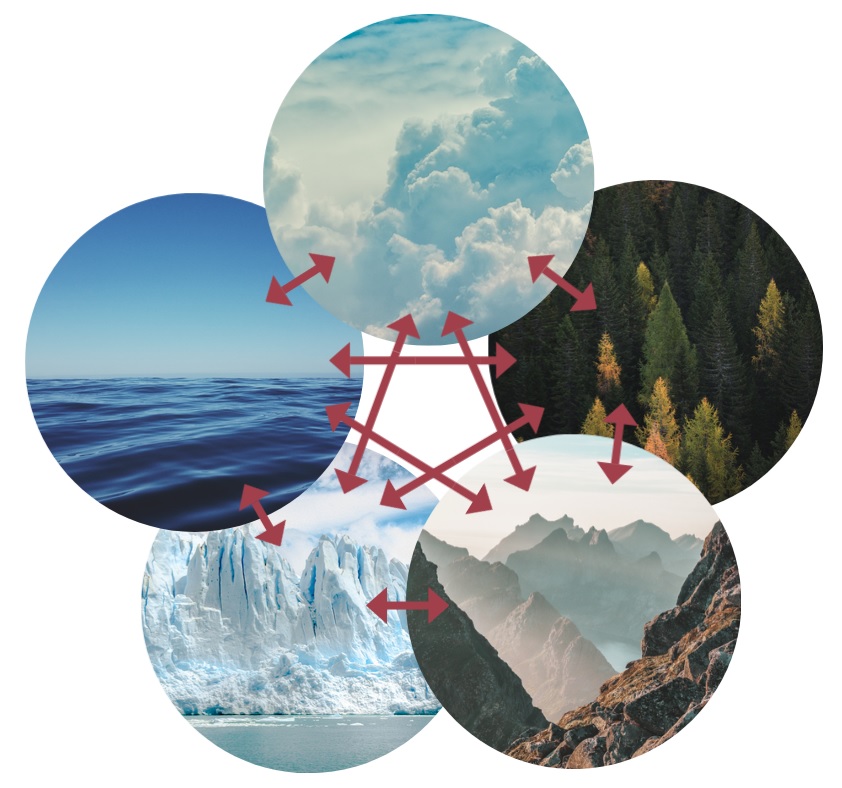
Plumbing at home plays a crucial role in meeting individuals’ water heating, sewage treatment, and storm drain cleaning needs. When maintaining your home’s plumbing system, it’s important to consider how location and climate can significantly affect its efficiency and durability. Factors such as temperature extremes, humidity, and local geography all influence plumbing performance and longevity.

Extreme Heat
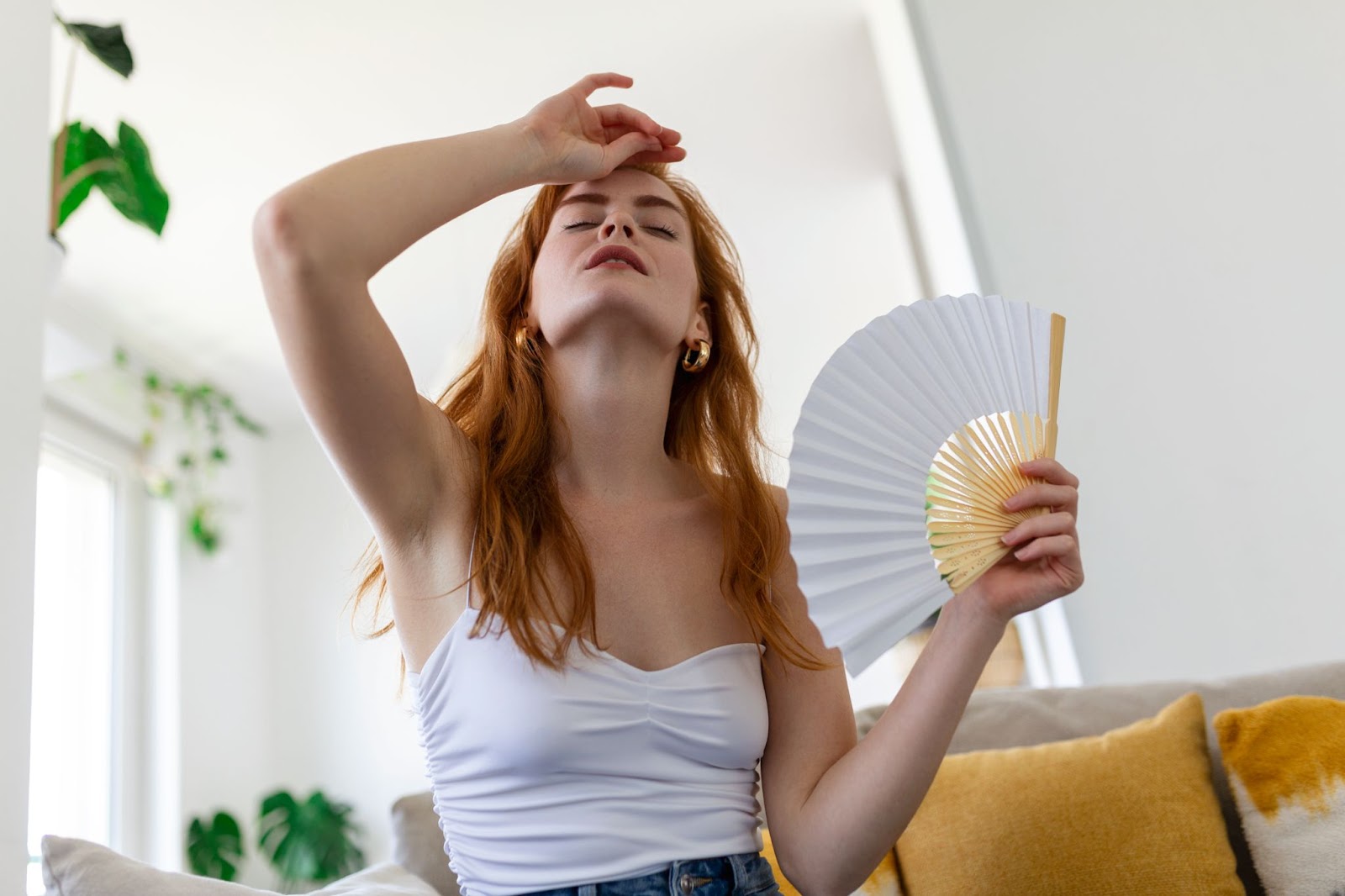
Australians are familiar with extreme heat, and although infrastructure is designed to endure such conditions, plumbing materials still face challenges. Prolonged exposure to high temperatures causes pipes to expand, which can lead to leaks and cracks over time.
Additionally, hot and dry conditions may cause plumbing materials to deteriorate, while drought conditions encourage tree roots to seek underground water sources, often infiltrating and blocking pipes and drains. Persistent root intrusion requires professional drain replacement or maintenance to prevent severe blockages.
On the positive side, the abundant sunlight in Australia offers an excellent opportunity to install solar hot water systems. These systems provide an energy-efficient and cost-effective way to heat water by harnessing solar energy. Most modern systems also include gas or electric backups to ensure a continuous hot water supply regardless of weather. Furthermore, hot climates often enable quicker hot water delivery in homes with storage or continuous flow heaters, as the pipes stay warm.
Cold Weather
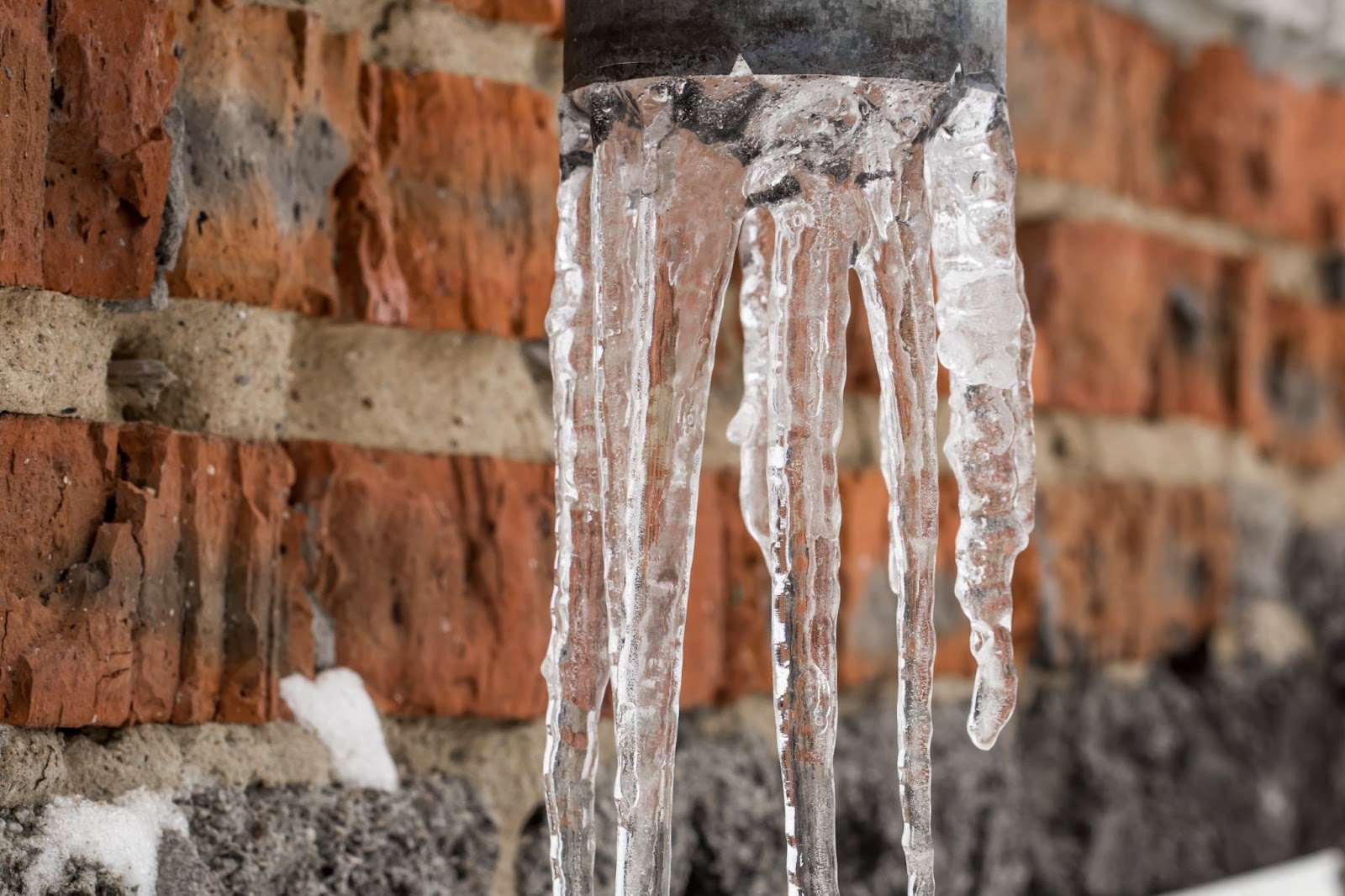
Although Australia generally enjoys a warm climate, several regions experience cold winters, where temperatures can drop enough to freeze water in pipes overnight. Frozen water expands and can cause pipes to crack or burst, particularly near shut-off valves where pressure builds.
To protect against cold weather damage, homeowners should consider insulating pipes and installing efficient water heaters designed for colder climates. Modern water heaters often come with advanced features to optimize energy use, reducing the increased bills typically associated with winter heating demands.
Rainy and damp conditions in colder months can also accelerate rusting of pipes and hot water systems, leading to leaks and contamination issues that may affect health. Regular maintenance and using rust-resistant materials can mitigate these risks, ensuring safe and reliable plumbing performance year-round.
Humidity
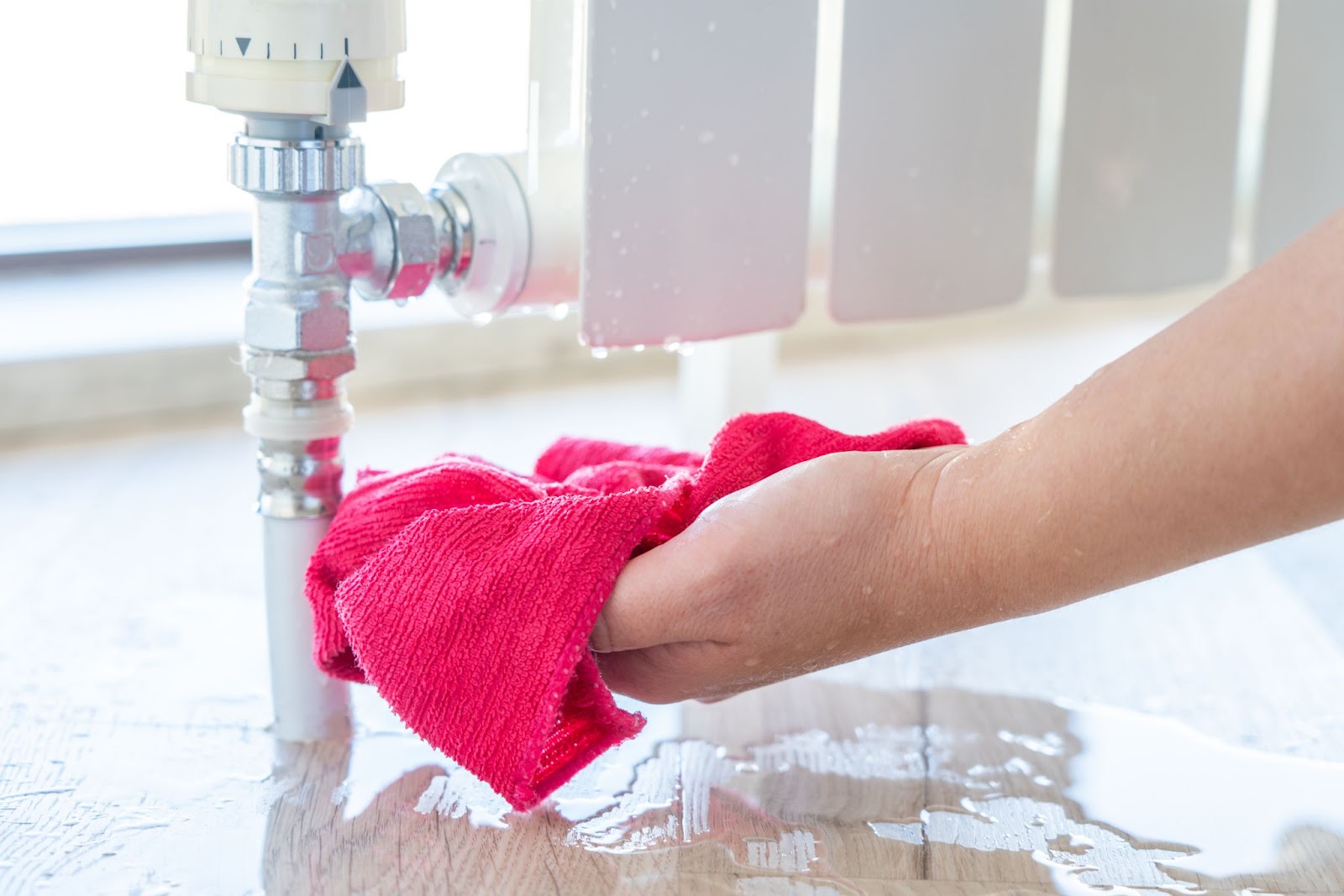
Humidity impacts plumbing systems in various ways. Moisture-rich environments can accelerate rust and corrosion, especially in metal pipes and hot water systems, leading to leaks and potential contamination. Regular inspection and the use of corrosion-resistant materials help prolong system lifespan in humid areas.
In regions with high humidity, heat pump hot water systems offer an energy-efficient option. These systems extract heat from the surrounding air to warm your water, making them ideal for humid climates where air temperatures are relatively warm for longer periods.
Beachside Locations
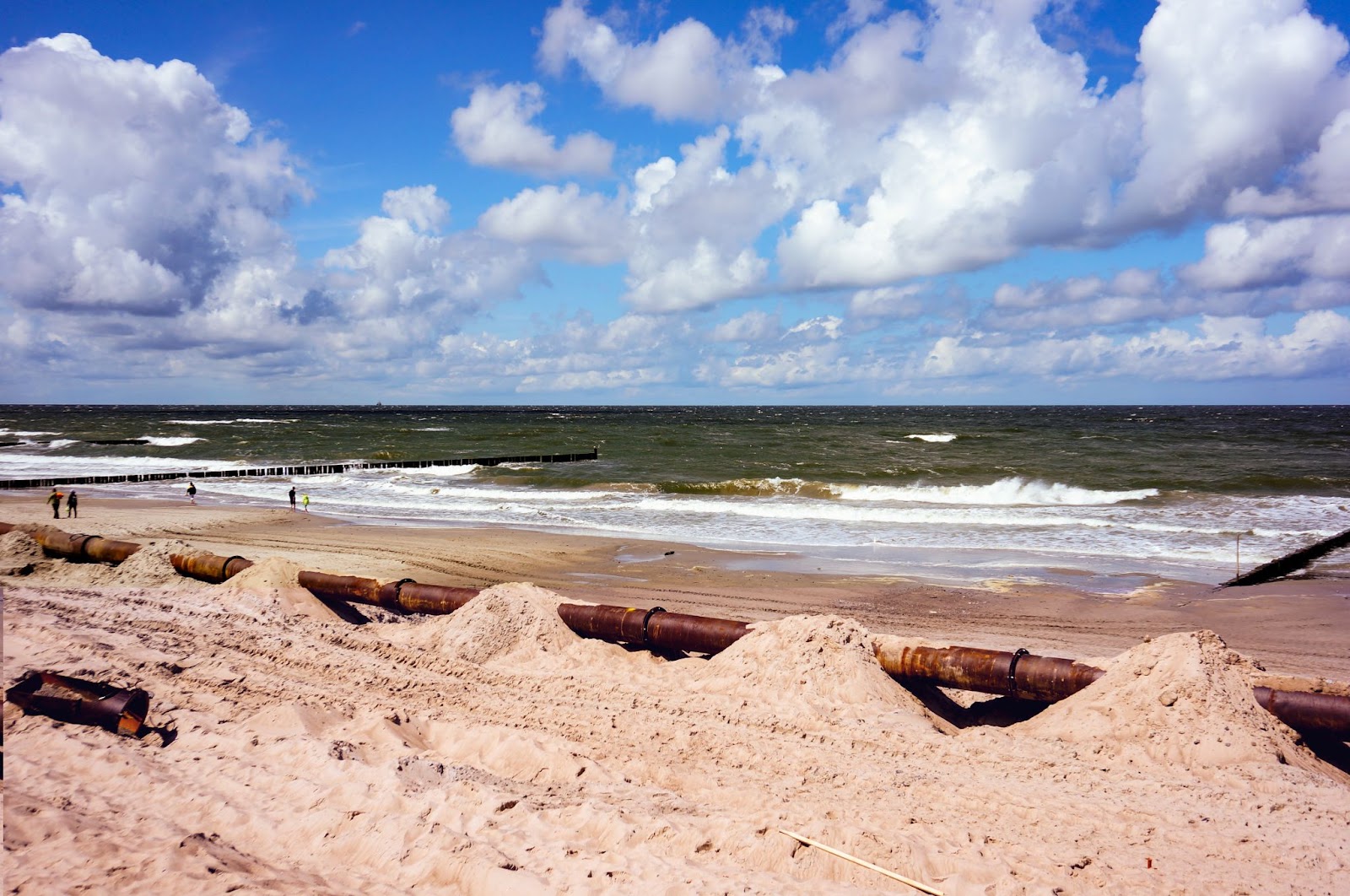
Living near the coast in places like Scarborough, Cottesloe, or Adelaide’s Brighton and Henley offers beautiful surroundings but comes with unique plumbing challenges. Sand can easily clog hot water systems, pipelines, and drains, leading to blockages that disrupt water flow.
Furthermore, constant exposure to salty sea air accelerates corrosion and rust in plumbing materials, increasing the risk of pipe leaks and bursts. Using corrosion-resistant materials such as PVC or copper with protective coatings is advisable for beachside homes. Regular cleaning and maintenance are also essential to prevent sand buildup and corrosion damage.
Hillside Locations
Residents living on hills, such as Adelaide’s Holden Hill or Brisbane’s Red Hill, may encounter lower water pressure due to gravity’s influence on water flow uphill. While this is not a widespread issue, it can affect daily water use and appliance performance. Installing pressure-boosting systems or gravity-assisted plumbing solutions can help maintain optimal water pressure in hillside homes.
Final Thoughts
Overall, the climate and location across Australia greatly influence home plumbing systems. From the impact of extreme heat and cold to humidity, beachside salt air, and hillside water pressure, these factors affect plumbing materials, system efficiency, and maintenance needs.
These challenges contribute to the higher cost of plumbing supplies and services in different regions of Australia. However, with professional advice and proper planning, such as that offered by Plumbers in Beaumont Hills, homeowners can ensure their plumbing systems remain reliable and efficient no matter where they live.
If you want to learn more about The Benefits of Rock Retaining Walls please visit our Home Improvement category for expert insights and tips.
Frequently Asked Questions (FAQs)
Extreme heat causes pipes to expand, which can lead to cracks and leaks. Additionally, hot dry conditions may encourage tree roots to invade underground pipes, causing blockages.
Cold weather can cause water in pipes to freeze and expand, potentially bursting the pipes. It can also accelerate rust in plumbing and increase energy consumption due to higher hot water heating demands.
Using corrosion-resistant materials, regular maintenance, and considering heat pump hot water systems—which utilize ambient air heat—can help protect plumbing in humid areas.
Beachside homes face corrosion risks from salty sea air and sand infiltration. Using corrosion-resistant materials, regular cleaning, and maintenance help prevent damage.
Water pressure can decrease due to gravity when water has to travel uphill, sometimes requiring pressure-boosting installations to maintain normal flow.
Yes, solar hot water systems are highly effective due to Australia’s abundant sunlight, offering energy savings and eco-friendly hot water production, often complemented by gas or electric backups.