Imagine waking up one day unable to hear the voices of loved ones, the melodies of your favorite songs, or the soothing sounds of nature. Hearing loss can affect anyone, yet many people don’t realize how easily it can be prevented. This is why World Hearing Day is so crucial—it raises awareness about hearing health and encourages proactive steps to protect your ears.
Every year on March 3rd, the World Health Organization (WHO) emphasizes the importance of hearing care. The goal is to educate people about the causes of hearing loss, effective prevention strategies, and the critical role of early detection. So, why is hearing health so vital, and how can you safeguard your hearing? Let’s explore!
1. Why Is World Hearing Day Important?
Hearing is one of the five essential senses, yet it’s often overlooked until it starts to fade. World Hearing Day serves as a global reminder of the significance of hearing care and highlights how hearing loss can affect one’s quality of life.
Rising Cases of Hearing Loss
According to the WHO 2024 report, over 1.5 billion people worldwide live with some degree of hearing loss, with projections indicating this number will continue to increase. A significant concern is that many of these cases could be prevented through proper awareness and care.
The Link Between Hearing and Mental Health
Untreated hearing loss has been associated with depression, anxiety, and cognitive decline. Difficulty hearing conversations often leads to social isolation, causing feelings of loneliness and disconnection from friends and family. Research also links hearing impairment in older adults to a higher risk of dementia.
The Importance of Early Detection
Many individuals remain unaware of their hearing loss until it is quite advanced. Early detection significantly improves treatment outcomes, as modern interventions—like advanced hearing aids and cochlear implants—can greatly enhance hearing ability and quality of life.
2. Common Causes of Hearing Loss
Understanding common causes of hearing loss is key to prevention. Here are the primary factors:
1. Noise-Induced Hearing Loss (NIHL)
Exposure to loud noises is one of the most preventable causes of hearing loss. Activities such as attending loud concerts, listening to music at high volumes on headphones, or working in noisy environments (e.g., construction sites, factories) can damage the sensitive hair cells in the inner ear.
2. Age-Related Hearing Loss (Presbycusis)
Hearing naturally declines with age, often starting with difficulty hearing high-frequency sounds. Although age-related hearing loss is a normal process, protecting your ears throughout life can slow its progression.
3. Ear Infections and Medical Conditions
Chronic ear infections, diabetes, hypertension, and cardiovascular diseases can impair blood flow to the ears, contributing to gradual hearing loss over time.
4. Ototoxic Medications
Certain medications—including specific antibiotics, chemotherapy agents, and high doses of aspirin—can damage the auditory system. If you’re taking medication and notice any changes in your hearing, it’s important to consult your healthcare provider promptly consult your doctor.
3. How to Protect Your Hearing
Knowing the risks helps you take essential steps to preserve your hearing. Implement these hearing protection strategies:
1. Lower the Volume
Many listen to music or podcasts at volumes harmful to their ears. Follow the 60/60 rule: keep your device volume at 60% or less and limit listening sessions to 60 minutes. If others can hear your music through your headphones, it’s too loud!
2. Use Ear Protection
If you work in noisy environments or attend loud events regularly, wear earplugs or noise-canceling headphones. Protective gear is especially important for musicians, factory workers, and construction personnel.
3. Avoid Cotton Swabs
Using cotton swabs to clean your ears can push earwax deeper and potentially damage your eardrum. Instead, allow earwax to naturally exit the ear or use a warm, damp cloth to clean the outer ear.
4. Take Listening Breaks
After exposure to loud noises, give your ears time to rest in a quiet environment to aid recovery and reduce the risk of long-term damage.
5. Get Regular Hearing Tests
Incorporate hearing screenings into your routine health checkups. Early diagnosis helps prevent further damage and optimizes treatment options.
4. The Role of Technology in Hearing Care
Innovations in hearing technology have transformed the lives of people with hearing impairments. Notable advancements include:
1. Modern Hearing Aids
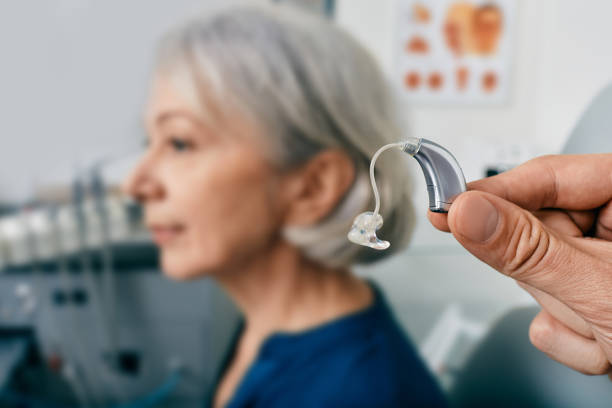
Current hearing aids are discreet, powerful, and often Bluetooth-enabled. They adapt to different sound environments, providing enhanced clarity and user comfort.
2. Cochlear Implants
For severe hearing loss, cochlear implants bypass damaged inner ear parts to directly stimulate the auditory nerve, restoring hearing ability.
3. Smartphone Apps for Hearing Health
There are now apps that monitor environmental noise levels, amplify sounds, and provide real-time captions, helping those with hearing difficulties communicate effectively. Services like InnoCaption offer innovative captioning solutions for phone calls, enabling individuals with hearing loss to stay connected without missing important conversations.
5. Breaking the Stigma Around Hearing Loss
Many hesitate to seek help due to stigma or myths that hearing aids are only for the elderly. However, hearing loss can affect anyone, and ignoring it may lead to serious health consequences. It’s time to normalize hearing aids and protective measures as smart, proactive health choices—just like wearing glasses for vision.
6. What Can You Do on World Hearing Day?
Looking to make a difference on World Hearing Day? Here are some impactful actions:
- Get Your Hearing Checked – If it’s been a while, schedule an appointment with an audiologist for a comprehensive hearing test.
- Educate Others – Share valuable hearing health information with family and friends, encouraging them to protect their ears.
- Support Hearing Charities – Donate or volunteer for organizations that provide hearing aids and support services to those in need.
- Limit Your Noise Exposure – Use this day as motivation to implement noise reduction habits in your lifestyle.
7. Final Thoughts: Take Action Today
Hearing health is often overlooked until problems arise. However, most hearing loss cases are preventable with simple measures such as reducing noise exposure, undergoing regular hearing assessments, and challenging the stigma around hearing impairments. Together, we can promote better hearing health globally.
How will you start protecting your hearing today? Have you ever experienced ringing in your ears after a concert or had difficulty hearing in noisy settings? Share your experiences below, and let’s work together to safeguard our hearing for a lifetime!
For more information about “Innovative Risk Management Strategies for Hospital Systems,” please visit our “Health” category.
Frequently Asked Questions (FAQs) About Hearing Health
Early signs include difficulty understanding conversations, needing to increase the volume on devices, ringing or buzzing in the ears (tinnitus), and frequently asking others to repeat themselves.
While age-related and noise-induced hearing loss are generally permanent, many treatment options like hearing aids and cochlear implants can significantly improve hearing and quality of life.
Adults should have hearing tests every 3-5 years, or more frequently if exposed to loud noise regularly or if they notice changes in hearing.
Yes, listening to music at high volumes, especially with headphones, can damage your hearing over time. Always follow the 60/60 rule to minimize risk.
Maintaining good hearing health can reduce social isolation and cognitive decline risks, as untreated hearing loss is linked to dementia and other mental health issues.