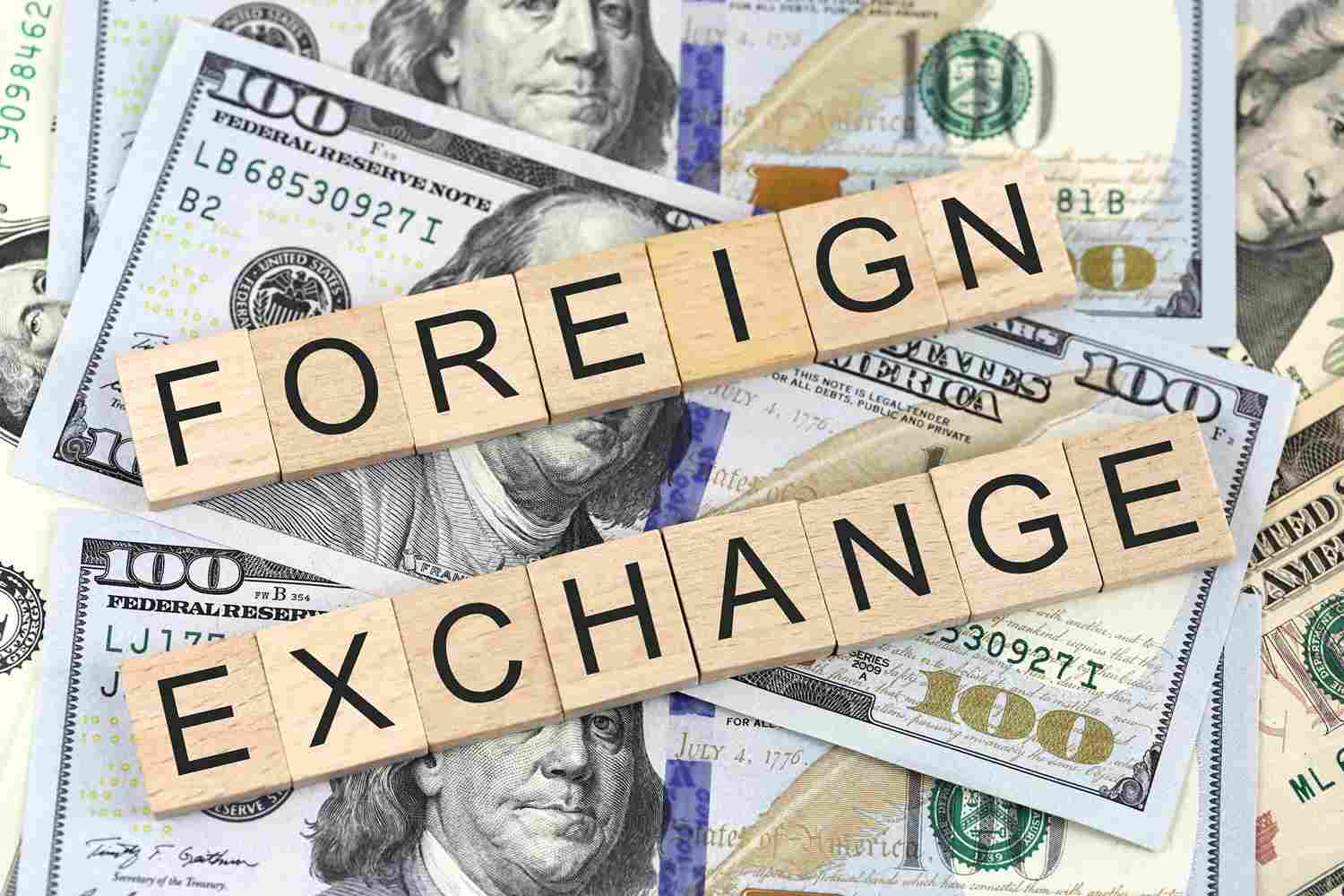
When travelling internationally, exchanging your currency before departure is a smart and practical decision. Various options exist for currency exchange, so doing your research beforehand ensures you find the most convenient and cost-effective method for your trip.
By changing your money before you travel, you can secure better exchange rates and steer clear of common scams encountered abroad. Here are several compelling reasons why exchanging your currency prior to your trip is beneficial:. For a closer look at this, see Best Currency Exchange in Thailand.
You’ll Get Better Exchange Rates
The most favorable exchange rates are often available at major airports and popular tourist hubs. However, rates fluctuate frequently, so it’s crucial to compare offers from multiple exchange providers before your trip. Exchanging currency before you leave typically secures a better rate than last-minute exchanges at your destination.
You’ll Avoid Common Currency Exchange Scams
Many currency exchange scams target travelers with suspiciously low rates or hidden fees. By arranging your currency exchange ahead of time with trusted providers, you minimize the risk of falling victim to fraudulent operators. Avoid sending money to or dealing with individuals you don’t know, and always use reputable exchange businesses.
Keeping Cash is Essential in a Foreign Country
When traveling, having cash on hand is critical, especially for ground transportation from airports to your accommodation. For example, even in major cities like New York, some taxis only recently began accepting card payments, and rideshare pick-up or drop-off may be restricted at certain airports. Since digital payment options aren’t universally accepted, carrying local currency ensures you can manage transportation and other essential expenses seamlessly. Interested travelers can check out our article on Italian Restaurants in NJ for local cuisine insights.
Digital Payments May Not Be Accepted at Many Locations
Culinary tourism is among the top reasons people travel internationally, yet many street vendors and smaller businesses only accept cash. For example, socca vendors in Nice or certain market stalls in Bangkok may accept cards, but many food vendors in India and Thailand operate cash-only. Additionally, numerous hotels in Asia and South America primarily function within a cash-based economy and might not accept credit cards. Having a couple of money is therefore a wise choice to avoid inconvenience. Similarly, other street food vendors often require cash payment.
You’ll Save Money on Transaction Fees
Using credit cards abroad can incur foreign transaction fees, currency conversion charges, and fluctuating exchange rates, increasing the overall cost of your purchases. For example, a $10 coffee in Buenos Aires could cost around $12.75 when paid by credit card after fees, whereas paying with cash keeps the price at $10. Exchanging currency beforehand helps you avoid these hidden costs and manage your travel budget more efficiently.
Paying with Cash Provides Safety and Budget Control
Carrying cash reduces the risk tied to stolen or compromised cards and helps maintain control over your spending. Tracking expenses is easier with cash, which supports sticking to a budget. Moreover, cash payments can be cheaper for small transactions. For example, in New York City, purchasing subway tokens with cash costs $1 per token, compared to around $2 when using a credit card.
Using Foreign ATMs Often Incurs Higher Fees
Withdrawing cash from ATMs abroad typically involves extra fees. Your home bank may charge $1 to $5 per withdrawal if you use an out-of-network ATM, along with 1-3% of the amount withdrawn as a service fee. Additionally, the foreign ATM operator may levy an extra surcharge. Exchanging currency in advance can help you avoid these additional costs.
In Summary
Having local currency before arriving at your destination is crucial for convenience, security, and cost savings. It helps you avoid scams, unnecessary fees, and payment limitations, ensuring a smoother travel experience.
For more information about Consider These 10 Tips If You’re Doing Your Marketing In-House please visit our World category.
Frequently Asked Questions (FAQs)
The best places to exchange currency before traveling include your local bank, reputable currency exchange offices, or online currency exchange services. These often offer better rates and lower fees compared to airport kiosks.
Carrying a moderate amount of cash is safer to manage in locations where card acceptance is limited, but it’s advisable to also carry secure credit/debit cards for larger transactions or emergencies. Diversifying payment methods reduces risks.
The amount depends on your destination and travel plans, but having enough cash to cover initial transportation, meals, and small purchases is recommended. Typically, carrying up to $200 to $300 equivalent in local currency is sufficient.
Yes, many banks and currency exchange services accept foreign currency for conversion back to your home money. However, rates might be less favorable, so it’s best to use or exchange leftover cash before returning home.
While convenient, airport currency exchanges often have less favorable rates and higher fees compared to banks or local exchange offices. To avoid overpaying, it’s preferable to exchange some currency before departure and only use airport services for small amounts if necessary.