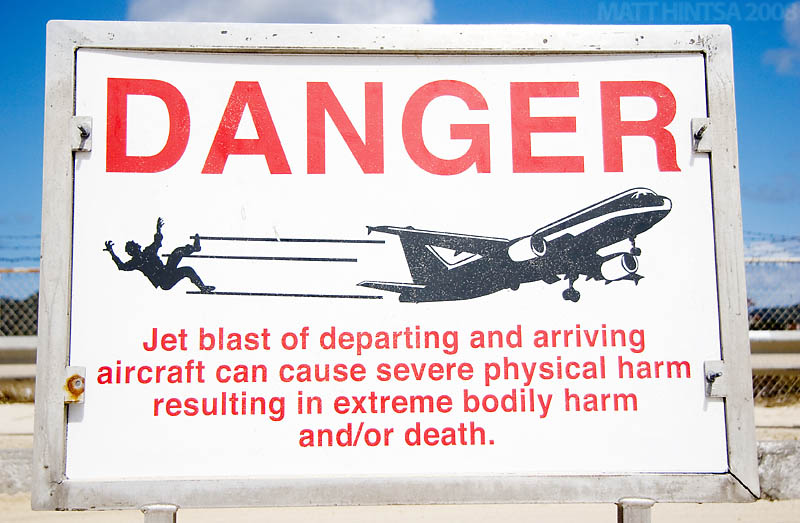
Actual Bodily Harm (ABH) is a legal term used to describe physical injury inflicted on a person by another that is more than trivial but less than serious harm. It is an offense that falls under the purview of criminal law and is often encountered in cases of assault. Understanding ABH is crucial for both legal professionals and the general public, as it carries significant legal implications and can affect the lives of those involved. This article delves into the nuances of Actual Bodily Harm, exploring its definition, legal context, examples, and consequences, while ensuring a comprehensive and SEO-optimized approach. For a closer look, see Ipso Facto Meaning Explained.
Definition of Actual Bodily Harm
Actual Bodily Harm refers to any injury that interferes with the health or comfort of the victim and is not merely transient or trifling. The injury does not need to be severe but must be more than minor or superficial. Common examples of ABH include bruises, cuts, or psychological injuries that have a noticeable impact on the victim.
Legal Framework
In many jurisdictions, ABH is classified under assault laws. For instance, in the UK, it is governed by the Offences Against the Person Act 1861. Section 47 of this act specifies that any assault occasioning actual bodily harm is a criminal offense, carrying a potential sentence of up to five years in prison.
Elements of Actual Bodily Harm
To establish a case of ABH, certain elements must be proven beyond a reasonable doubt:
Unlawful Assault
The assault must be unlawful, meaning it was not justified or excused by law. Self-defense or consent might be relevant in determining the legality of the assault.
Intent or Recklessness
The perpetrator must have intended to cause harm or acted recklessly, knowing that their actions could result in harm. It is not necessary to prove that the perpetrator intended to cause the specific injury that occurred, only that they intended or were reckless about causing some harm.
Causation
There must be a direct link between the perpetrator’s actions and the injury sustained by the victim. The injury must be a foreseeable result of the perpetrator’s actions.
Examples of Actual Bodily Harm
Understanding ABH can be further clarified through examples:
Physical Injuries
- Bruises and Contusions: A common example of ABH is when a person sustains bruises due to being struck by another individual.
- Cuts and Lacerations: Inflicting cuts that require medical attention can also constitute ABH.
Psychological Injuries
- Emotional Distress: Psychological harm such as severe anxiety or depression resulting from an assault can be considered ABH, provided there is medical evidence to support the claim.
Consequences of Actual Bodily Harm
The consequences of being found guilty of ABH can be severe and multifaceted, impacting both the victim and the perpetrator.
Legal Penalties
- Imprisonment: Depending on the severity of the offense and jurisdiction, a guilty party can face substantial prison time.
- Fines: Financial penalties may be imposed alongside or instead of imprisonment.
Personal Impact
- Criminal Record: A conviction for ABH results in a criminal record, which can have long-term effects on employment prospects and personal reputation.
- Emotional and Physical Trauma: Victims may suffer ongoing physical and emotional trauma, requiring long-term medical or psychological treatment.
Defenses Against Actual Bodily Harm Charges
There are several defenses that can be raised in response to ABH charges:
Self-Defense
A common defense is that the accused acted in self-defense, protecting themselves or others from imminent harm.
Lack of Intent
The defense might argue that the accused did not have the requisite intent or recklessness to cause harm.
Consent
In some cases, if the victim consented to the actions that resulted in harm, this could serve as a defense. However, this is a complex area and consent must be explicit and informed.
Legal Procedures Involving Actual Bodily Harm
Reporting and Investigation
Victims of ABH are encouraged to report the incident to the authorities. The police will conduct an investigation, gathering evidence and interviewing witnesses.
Prosecution
If there is sufficient evidence, the case will proceed to prosecution. The prosecution must prove all elements of the offense beyond a reasonable doubt.
Sentencing
If found guilty, the court will consider various factors in determining the sentence, including the severity of the injury, the intent of the perpetrator, and any mitigating or aggravating circumstances.
Impact on Society
ABH cases can have a broader impact on society by highlighting issues related to violence and the importance of legal protections for individuals.
Raising Awareness
High-profile ABH cases can raise public awareness about the prevalence and impact of violence, prompting societal change and policy reforms.
Legal Reforms
Ongoing scrutiny and analysis of ABH cases can lead to reforms in laws and legal procedures, ensuring they are more effective in preventing and addressing harm.
Conclusion
Actual Bodily Harm is a significant offense with serious legal and personal ramifications. Understanding the intricacies of ABH, from its legal definition to its broader societal impact, is essential for both legal practitioners and the general public. By raising awareness and promoting informed discussions, society can better address and mitigate the effects of such harmful behavior. Through comprehensive legal frameworks and societal support, we can work towards reducing incidents of violence and ensuring justice for victims of Actual Bodily Harm.
Apart from this, if you are interested to know more about Exploring the World of Truck Drivers: More Than Just a Job then visit our World category