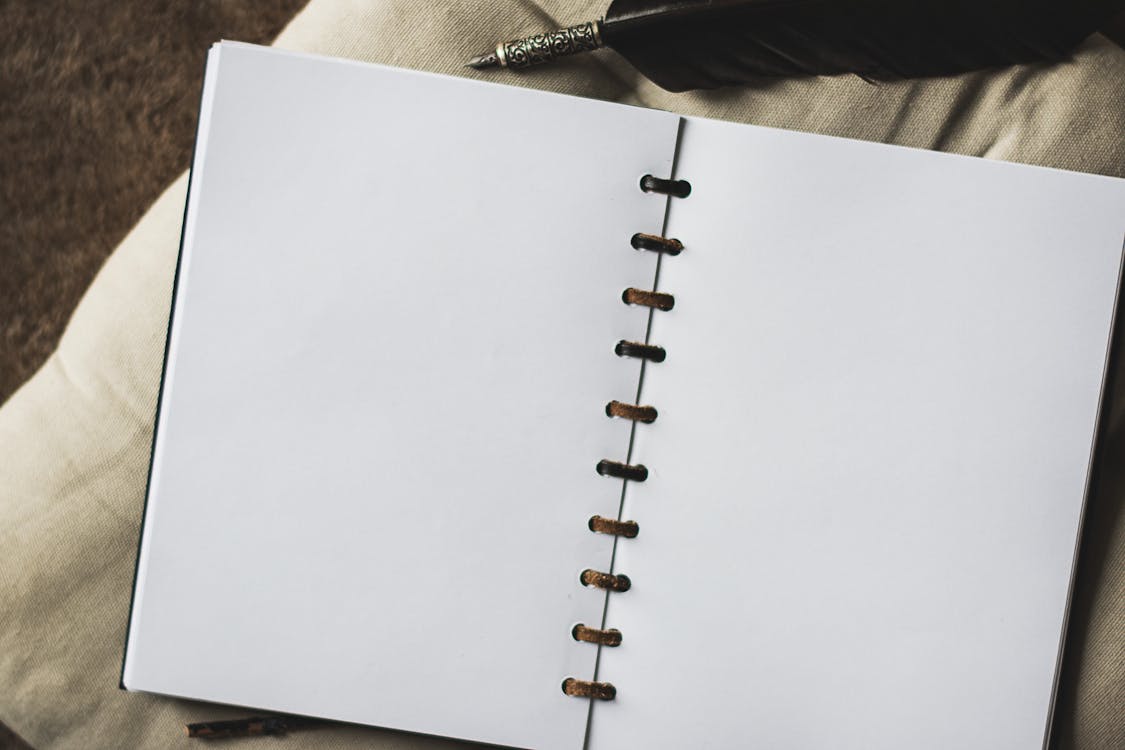
Wire binding is an innovative and widely adopted binding method for imparting a polished, professional appearance to documents. Often called wire-o binding, this technique involves threading a looped metal wire through a series of punched holes along the edge of a collection of pages. One of its most prized advantages is the ability for documents to lay completely flat when open, which is especially beneficial in scenarios requiring detailed engagement, such as strategic presentations or in-depth study sessions in educational settings. This capability enhances the document’s usability and transforms it into a powerful tool for clear communication and adequate information dissemination. When you choose wire binding, you are opting for more than just a method to hold pages together; you are selecting a sophisticated solution that enhances credibility and captures attention in any professional context.
Key Advantages of Wire Binding
Among the numerous advantages of wire binding, its ability to elevate professional presentation stands out most prominently. A document bound by wire binding is characterized by its sleek, organized appearance that conveys meticulous attention to detail. It is a critical factor in settings where making a strong impression is paramount. Incorporating wire bound printing in your documentation projects ensures sophistication that distinguishes your material from others. This method’s meticulous binding portrays professionalism and reinforces the document’s integrity, making it suitable for high-stakes environments. Whether presenting a crucial company profile to potential clients or crafting comprehensive project reports, utilizing wire binding adds a layer of refinement and assurance that is visual and functional.
Aesthetic Appeal in Wire Binding
In terms of aesthetic appeal, wire binding is unrivaled in providing documents with a modern and polished look. The distinctive wire loops are a functional and stylish design feature that resonates with contemporary design standards. This approach permits extensive customization, allowing the choice of wire colors to align the final product with distinct brand identities or individual preferences. Practical design tips for booklets and manuals emphasize the importance of binding in determining the document’s aesthetics and functionality. Wire binding integrates these aspects effectively, producing a final product that captivates readers and enhances content engagement through its visual appeal and practicality.
Versatile Application Across Industries
The versatility of wire binding significantly broadens its application across numerous industries and document types. It adeptly meets the demands of various sectors, from education and corporate business to creative design fields. Educational materials, such as textbooks and manuals, benefit from wire binding’s robustness and ease of handling, which support frequent usage and enable smooth page-turning. Wire binding is favored in corporate settings for its polished appearance and durability, making essential documents like financial reports and client proposals more professional and reliable. Furthermore, this binding method in creative industries elevates portfolios and catalogs with its high aesthetic customizability and structural integrity. This wide-ranging flexibility establishes wire binding as a premier choice for any field demanding quality, durability, and style in its documentation.
Durability and Stability
Wire binding provides durability and stability for frequently handled documents or requires longevity. The sturdy design of wire binding secures the pages firmly, reducing the risk of pages tearing out or becoming loose. This reliability is indispensable for documents like technical manuals, operational guides, and product catalogs that experience intensive use. Wire binding’s robust nature ensures that documents maintain their professional look and structural integrity despite recurring manipulation. The durability and stability offered by this binding method make it an ideal choice for various professional and practical applications where consistency and resilience are critical.
Environmental Considerations
As the focus on sustainable practices intensifies, the environmental considerations of materials used in document binding have become more significant. Wire binding is beneficial in this aspect, as it frequently utilizes recyclable materials that promote eco-friendly initiatives. Many wire parts are made from metals that can be easily recycled, contributing to waste reduction and minimizing environmental effects. By opting for wire binding, companies can align with environmentally friendly practices while maintaining their documents’ quality and professional look. This decision supports corporate sustainability objectives and demonstrates a dedication to environmental responsibility, which is increasingly appreciated by consumers and stakeholders alike.
Cost-Effectiveness
Even though it has a high-quality finish, wire binding is a cost-effective solution in the long run. Although the upfront costs may be higher than other binding options, the advantages related to durability and lower maintenance costs justify the initial investment. Wire binding guarantees the longevity of the document, minimizing the frequent need for re-binding or repairs, which can lead to extra charges. This combination of excellent quality and economic benefits makes wire binding a wise choice for businesses and institutions aiming to enhance performance and budget. As a result, it continues to be a favored option for those who want to maintain high standards of document presentation without sacrificing financial efficiency.
Choosing the Right Binding for Your Needs
Deciding on the most suitable binding method requires careful consideration of several factors, including the document’s purpose, target audience, and presentation requirements. Wire binding is undoubtedly celebrated for its durability, aesthetic charm, and professional appearance. However, depending on specific needs, exploring other binding options, like perfect binding, comb binding, or spiral binding, may be beneficial to ensure the chosen method aligns with the project’s goals. Comprehensive research and a solid grasp of the advantages and disadvantages of each binding style can help you make a well-informed choice, guaranteeing that your documents are adequate and suitable for their purpose. Selecting the proper binding does more than merely join pages; it improves the narrative and usability of your documents, strengthening your message and effectively engaging your audience.
Apart from that, if you are interested to know about “From Sketch to Floor” then visit our “Business” category.