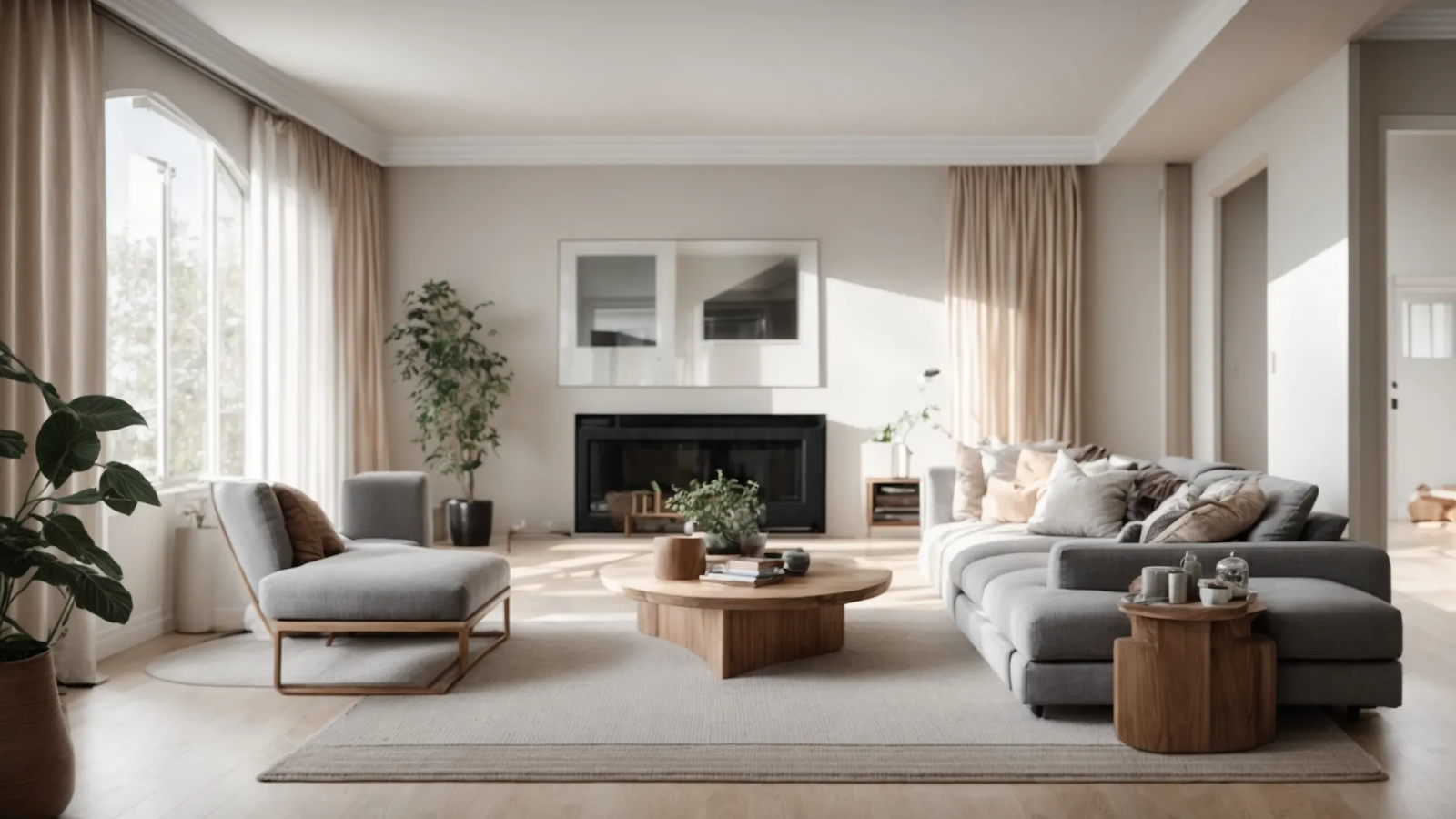
When it’s time to put your home on the market, making a lasting impression on potential buyers is essential. Effective home staging can capture attention, boost your property’s perceived value, and reduce the time it remains listed. It’s a strategic blend of aesthetics, psychology, and real estate expertise designed to showcase your home’s full potential. Below, discover key strategies for successful home staging that could give you the competitive edge. Keep reading to unlock the secrets for attracting buyers with style and confidence.
The Art of Decluttering and Depersonalizing Your Space
When preparing your home for showings, less is more. Decluttering is the essential first step to create a blank canvas where buyers can envision their future. A clutter-free environment appears larger, cleaner, and more inviting — offering a sanctuary for potential buyers seeking a fresh start.
Equally crucial is depersonalizing your space. While your family photos and treasured keepsakes have sentimental value, they can hinder buyers from imagining themselves living there. Removing personal items helps create a neutral atmosphere that appeals to a wider audience.
Don’t overlook organizing closets and storage spaces. Buyers often check these areas, and well-arranged, spacious closets suggest ample storage — a high-demand feature in today’s market.
After decluttering and depersonalizing, a professional move out cleaning Victoria BC adds the perfect finishing touch. Move-out cleaning services ensure every surface shines, making your home feel fresh, well-maintained, and ready for new owners.
Enhancing Ambiance With Lighting, Scents, and Color Palettes

Setting the right ambiance means engaging the senses effectively. Lighting plays a pivotal role in creating mood. Soft, warm lighting fosters a cozy and welcoming environment, while bright, natural light showcases your home’s cleanliness and spaciousness. During showings, open curtains and blinds to let in plenty of natural daylight, which enhances the home’s appeal.
Scent is another powerful staging tool. Subtle, pleasant aromas like freshly baked cookies or delicate floral fragrances can evoke positive emotions and leave lasting impressions. Avoid overpowering or artificial scents that might distract or put off potential buyers.
Color palettes greatly influence buyers’ perceptions. Neutral shades are recommended for staging as they attract the broadest audience, creating a versatile backdrop. Introducing pops of color through tasteful accents adds vibrancy and charm. Consider incorporating fake indoor trees as greenery that breathes life into rooms without the hassle of upkeep.
Understanding the Impact of Home Staging on Buyer Attraction

Home staging goes beyond simple tidying—it creates an atmosphere where buyers can imagine building their lives. This psychological advantage can be the difference between a quick sale and an extended listing. Thoughtful furniture placement and décor arrange your home not just as a physical space but as a desirable lifestyle.
Professional stagers specialize in emphasizing strengths and minimizing weaknesses. They know how to make rooms appear larger, more welcoming, and functional — impressions that resonate emotionally with buyers and encourage positive purchasing decisions.
Statistics consistently show that staged homes sell faster and often command higher prices compared to non-staged properties. A well-staged home invites competitive bids, turning your investment in staging into increased market returns.
Maximizing Curb Appeal to Make a Memorable First Impression

Your home’s appeal begins long before buyers enter the front door. Curb appeal serves as your home’s handshake—offering a preview of the care and professionalism inside. Investing effort into exterior enhancements is vital. A well-maintained lawn, fresh exterior paint, and clean pathways welcome visitors and signal diligent upkeep.
Consider adding colorful flowers or healthy greenery to enhance the property’s façade. Natural beauty and pops of color help captivate buyers and create a warm, inviting atmosphere. Also ensure signage is clear and the entry pathway is free of obstacles to promote accessibility.
While seasonal decorations can add charm, during selling, simplicity is key. Avoid extravagant displays that may distract from your home’s unique appeal. Instead, choose elegant, understated touches that complement your home’s architecture and landscaping.
In summary, effective home staging crafts an immersive experience that engages buyers’ senses and emotions. By focusing on aesthetics, organization, and atmosphere, you position your home to stand out in a competitive market — paving the way for a faster, more profitable sale.
Additionally, if you’re interested in learning more about How to Pick the Perfect Globe Lamp for Any Room, please visit our Home Improvement Category.
Frequently Asked Questions (FAQs)
Home staging helps highlight your property’s best features, making it easier for buyers to visualize living there. It often results in faster sales and higher offers by creating an emotional connection.
The cost varies based on property size and the level of staging needed. On average, staging can range from a few hundred to several thousand dollars, but many sellers see a return on investment through higher sale prices.
Declutter aggressively, use light colors, maximize natural light, and choose multifunctional furniture to make small rooms appear more spacious and inviting.
You can stage your home yourself by following key principles, but hiring a professional stager can provide expert insights and access to specialized furnishings, often resulting in a stronger market impact.
Begin staging at least a few weeks before listing to allow professional photos and marketing materials to capture the staged look, giving your property maximum appeal from day one.