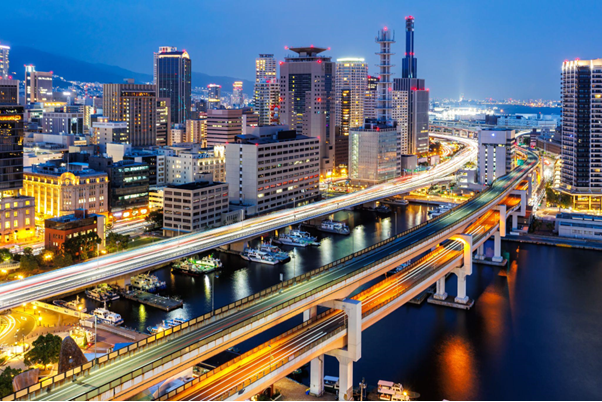
When traveling in Japan, getting about effectively is essential for making the most of your vacation. Japan has an extensive transportation network that includes trains, subways, buses, taxis, and ferries. Navigating this jungle of possibilities might be difficult for tourists, but don’t worry, this guide is here to assist. Understanding Japan’s transportation system is crucial, whether you’re traveling between bustling cities, touring rural countryside, or visiting gorgeous islands. Furthermore, with the convenience of current technology, keeping connected on the go has never been easier. With the launch of ESIMJAPAN.com for travelers, you may enjoy continuous connectivity without the trouble of switching SIM cards or paying foreign roaming fees. Simply install an ESIMJAPAN.com into your smartphone prior to your vacation, and you’ll have fast access to data and communication services no matter where you visit. So, whether you’re a first-time visitor or a seasoned Japan explorer, saddle up as we guide you through Japan’s transportation maze, providing tips, tactics, and insights to guarantee a smooth and pleasurable trip.
1. Understanding Japan’s Transportation Network
Japan’s transportation network is well-known for its efficiency, timeliness, and comprehensive coverage. Japan’s transportation system is built around its railway network, which includes the well-known Shinkansen (bullet trains), regional express trains, and local commuter lines. These trains run across the country, linking major cities, villages, and even distant rural communities. Japan also has an extensive network of subways in major cities such as Tokyo, Osaka, and Kyoto, which provide easy and fast transit inside metropolitan areas. Buses are another common mode of transportation for extended distances or to locations not accessible by train. Japan’s bus network connects cities and rural regions, providing a convenient and cost-effective mode of transportation. Furthermore, cabs are widely available in Japanese cities and towns, making them a useful alternative for short excursions or getting to places that are difficult to reach by public transit. Traveler’s Guide to Serene Getaways is a useful companion read here.
You might also like
Campi Flegrei: Exploring the Mysterious Volcanic Heart of Southern Italy
Discover Unique Team Building Activities in Boston, MA for Unforgettable Experiences
Tips for Visiting Saskatoon
2. Navigating Japan’s Rail System
Japan’s train system is among the most modern and efficient in the world, yet it may be difficult to manage, particularly for first-time tourists. To get the most out of Japan’s trains, you need to be familiar with the many types of trains, ticket choices, and etiquette. The Shinkansen, or bullet train, is the most efficient and convenient means to travel between major cities such as Tokyo, Osaka, and Kyoto. It provides a variety of service levels, including normal, green car (first class), and even luxury sleeper trains on some routes. Purchasing tickets for local or regional trains is rather simple, with English-language ticket machines accessible at most stations. However, to prevent fines, you must confirm your ticket before boarding. Foreign travelers can also get Japan Rail Passes, which provide unlimited travel on JR trains for a set length of time and are a low-cost way to explore Japan.
3. Getting Around Cities by Subway and Bus
Navigating the huge subway networks of major cities such as Tokyo, Osaka, and Kyoto is essential for experiencing everything these bustling metropolitan hubs have to offer. Subway maps are color-coded and simple to read, with signage and announcements in both Japanese and English. Furthermore, rechargeable IC cards like Suica and Pasmo may be used to pay for subway, bus, and even taxi rates, providing convenience and savings to travelers. When going by bus, it is essential to know the route and fee in advance, as certain buses need precise change or pre-purchased tickets. Buses, on the other hand, are an easy method to go to places that the subway does not service or to explore off-the-beaten-path communities. Furthermore, many cities provide unlimited one-day or multi-day bus passes, making them an inexpensive option to explore.
4. Embracing Modern Technology with eSIM Cards for Travelers
In today’s digital age, being connected when traveling is critical for navigating foreign environments, finding information, and communicating with loved ones. With the advent of eSIM technology, visitors visiting Japan may enjoy seamless connectivity without the need to purchase and replace conventional SIM cards. eSIMs are integrated in compatible devices and may be activated remotely, allowing passengers to immediately use data and communication services upon arrival in Japan. Additionally, eSIMs allow you to select from a number of mobile data plans based on your demands and duration of stay. Whether you’re sharing images of your activities on social media, using navigation applications to get around, or simply staying in touch with friends and family back home, eSIMs make staying connected in Japan easier than ever.
5. Investigating Alternative Transportation Options
While trains, subways, and buses are the most common forms of transportation in Japan, there are other choices worth considering. Bicycles, for example, are a popular mode of transportation for navigating smaller cities and towns, as well as for slowly visiting attractive locations such as rural countryside or coastline routes. Many cities provide bicycle rentals, and designated cycling lanes make it safe and comfortable to go on two wheels. Furthermore, Japan’s enormous network of walking and hiking trails allows outdoor enthusiasts to immerse themselves in nature while discovering hidden gems off the usual road. Whether you’re wandering through historic districts, trekking up mountains to old temples, or cycling along gorgeous riverside trails, Japan’s alternative transportation alternatives provide unique experiences to enhance your visit.
Conclusion
In conclusion, navigating Japan’s transportation maze may appear overwhelming at first, but with a little planning and patience, visitors may unleash a world of adventure and discovery. From efficient and timely trains to crowded subways and picturesque rural routes, Japan’s transportation system provides a simple and engaging method to see the country’s various landscapes, rich culture, and interesting history. Travelers may make the most of their stay in Japan by following the advice in this book and enjoying the adventure, whether they’re visiting bustling metropolis, peaceful countryside, or ancient places. So don’t be afraid to get on board, experiment with various forms of transportation, and immerse yourself in Japan’s sights, sounds, and sensations. Whether you’re flying through the countryside on a Shinkansen, meandering through old temple grounds, or cycling along picturesque coastline routes, Japan’s transportation network will leave you with unique experiences and a greater respect for this wonderful nation. So pack your luggage, plot your itinerary, and prepare to go on a journey through Japan’s transportation maze. With a spirit of inquiry and adventure, the trip becomes part of the destination, providing limitless chances for exploration anddiscovery in the Land of the Rising Sun.
Apart from that, if you are interested to know about Tips for Visiting then visit our Travel category.