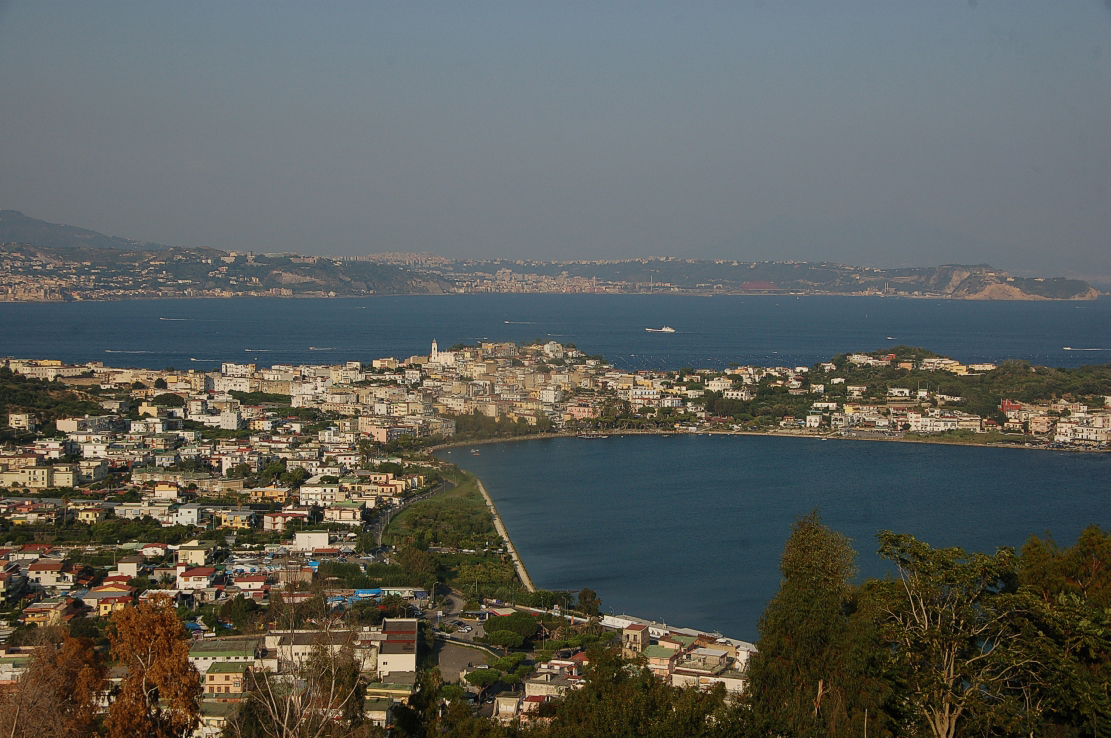
Campi Flegrei: Exploring the Mysterious Volcanic Heart of Southern Italy
Situated just west of Naples, Italy, amidst the breathtaking landscape of the Bay of Naples, lies one of the world’s most intriguing volcanic regions: Campi Flegrei. Known also as the Phlegraean Fields, this enormous volcanic caldera boasts an impressive geological history marked by massive eruptions, ground uplift, and unique geothermal activity. In this article, we’ll delve into the formation, significance, and current status of Campi Flegrei, revealing why it remains a focal point for volcanologists, historians, and travelers alike.
What is Campi Flegrei?
Campi Flegrei, meaning “Burning Fields” in Italian, is a large caldera that measures approximately 13 kilometers (8 miles) across. It is classified as a supervolcano due to its capability of producing highly explosive eruptions of colossal magnitude. This volcanic complex consists of numerous craters, fumaroles, and hot springs, which contribute to the geothermal wonderland surrounding the region.
The caldera formed around 39,000 years ago following a tremendous eruption that expelled vast quantities of volcanic material. The area has experienced multiple phases of volcanic activity since then, most notably the massive eruption known as the Campanian Ignimbrite event approximately 39,000 years ago and the Monte Nuovo eruption in 1538 CE, the most recent volcanic event at Campi Flegrei.
Geological Features and Activity
The geology of Campi Flegrei is complex, encompassing a multi-chamber magma system beneath the surface, which generates ground deformation and seismic activity observed in the area. Scientists continuously monitor the region for signs of unrest because of its potential impact on the densely populated surroundings.
The famous Solfatara crater is a prominent feature within Campi Flegrei and serves as a natural laboratory for geothermal and volcanic studies. Known widely for its bubbling mud pools and sulfurous fumaroles, Solfatara showcases the active hydrothermal system inside the caldera.
Ground Uplift and Volcanic Monitoring
In recent decades, Campi Flegrei has witnessed episodes of ground uplift known as “bradyseism.” This phenomenon involves the gradual rise or fall of the ground surface due to the movement of magma and hydrothermal fluids beneath the caldera. Bradyseismic events can indicate pressure changes within the magma chamber and pose significant challenges to risk assessment and public safety.
Italian authorities work closely with volcanologists to monitor seismic activity, ground deformation, gas emissions, and other geophysical signals to better understand the caldera’s status. This ongoing surveillance is crucial since Campi Flegrei sits near urban areas including Pozzuoli and Naples, home to millions of people.
Historical Eruptions and Cultural Impact
Campi Flegrei’s dramatic past has left a lasting impression not only geologically but culturally and historically as well. The massive Campanian Ignimbrite eruption reshaped the landscape and had far-reaching effects on Europe’s prehistoric environment. More recently, the 1538 Monte Nuovo eruption created new landforms still visible today.
Throughout history, the region has been known for its mystical and sometimes ominous reputation — ancient Romans thought the “Burning Fields” were the gates to the underworld. The area is dotted with archaeological sites, including Roman ruins and ancient thermal baths, which reflect the long-standing human connection with the volcanic environment.
Campi Flegrei Today: Tourism and Research
Today, Campi Flegrei attracts visitors fascinated by its natural beauty and volcanic phenomena. Tourists explore the Solfatara crater, relax in thermal spas, and discover historical sites woven into the volcanic landscape. The fusion of natural wonder and rich history makes Campi Flegrei a unique destination in Southern Italy.
At the same time, it continues to be a major subject in volcanological research. Scientists aim to refine eruption forecasting and improve emergency response plans to protect the millions of residents living nearby.
Why Should You Learn About Campi Flegrei?
Understanding Campi Flegrei is essential for appreciating the dynamic forces shaping our planet. This volcanic area exemplifies the delicate balance between natural beauty and potential danger. As one of the world’s most closely monitored supervolcanoes, Campi Flegrei offers invaluable insights into volcanic processes and disaster preparedness.
Whether you are a geology enthusiast, a history buff, or a curious traveler, exploring Campi Flegrei offers a glimpse into Earth’s powerful geological activity and its influence on human civilization.
Conclusion
The Campi Flegrei volcanic caldera stands as a fascinating reminder of the Earth’s dynamic geological processes. Its history of monumental eruptions, ongoing volcanic activity, and cultural significance make it a compelling subject for study and exploration. From the steaming fumaroles of Solfatara to the historic myths tied to the region, Campi Flegrei continues to captivate and challenge scientists and visitors alike.
As monitoring advances and public awareness grows, the balance between living safely alongside such a volatile natural wonder is becoming increasingly achievable. Campi Flegrei is not just a site of past cataclysms but a vibrant landscape where science, history, and nature intersect in surprising ways.
Apart from that if you want to know about “Tracing Alaska Roots: Exploring Its Historical Sites” then please visit our “Travel” Category.