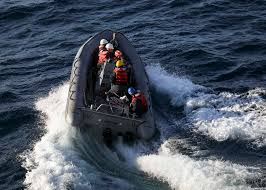
In recent years, inflatable boats with motors have surged in popularity among water enthusiasts due to their versatility, portability, and ease of use. Whether you’re a fishing aficionado, a recreational boater, or someone in need of a reliable tender for a larger vessel, understanding the key aspects of inflatable boat with motor is essential to make an informed decision. This comprehensive guide covers the critical factors to consider when choosing the best inflatable boat with a motor, including types, features, maintenance tips, and safety considerations.
Types of Inflatable Boats with Motors
Inflatable boats with motors are available in various styles tailored to different uses and water conditions:
- Rigid Inflatable Boats (RIBs): Featuring a solid hull combined with inflatable tubes, RIBs deliver excellent stability, durability, and performance. They are ideal for tackling rough waters, achieving higher speeds, and covering long distances safely.
- Roll-Up Inflatable Boats: These ultra-portable, lightweight boats can be easily rolled up for compact storage and transport. They are perfect for calm water activities such as casual fishing trips, lake cruising, or short excursions.
- Inflatable Kayaks and Canoes with Motors: Designed for solo or tandem paddling, these nimble vessels offer the added benefit of motorized propulsion. They are excellent for reaching remote fishing spots, exploring narrow waterways, or enjoying versatile paddling adventures.
Choosing the Best Inflatable Boat with Motor
When selecting an inflatable boat with a motor, it’s important to evaluate the following factors to match your boating requirements:
- Size and Capacity: Assess how many passengers you plan to carry and the volume of gear you need onboard. Verify that the motor’s horsepower is sufficient to move the boat efficiently under expected load conditions.
- Motor Type: Choose between electric and gasoline-powered motors based on your preferences. Electric motors offer quiet operation, low emissions, and ease of use, making them ideal for fishing and environmentally sensitive areas. Gasoline motors provide greater power and longer range, suitable for speed and extended trips.
- Material Quality: Opt for boats made of durable materials such as Hypalon or high-grade PVC. Hypalon boasts superior resistance to UV rays, chemicals, and abrasion, making it a premium choice for longevity and rough conditions.
- Convenience Features: Consider additional features like adjustable seating, integrated storage compartments, built-in oarlocks, and dedicated mounts for trolling motors to enhance comfort and usability.
Maintenance Tips
Proper maintenance ensures lasting performance and safety of your inflatable boat with motor. Follow these expert tips:
- Regular Inspections: Frequently inspect the boat’s body, motor, and fittings for wear, leaks, or corrosion. Promptly repair any damage to prevent further issues.
- Motor Maintenance: Adhere to manufacturer guidelines, including timely oil changes, spark plug examinations, and cleaning or replacing the fuel filter to keep the engine running smoothly.
- Cleaning: After each use, thoroughly rinse the boat and motor with fresh water to remove salt, dirt, and debris. Clean the inflatable surfaces gently with mild soap and water, avoiding harsh chemicals that may degrade the material.
- Proper Storage: Store your boat and motor in a shaded, dry environment away from direct sunlight to prevent UV damage and material degradation during off-season periods.
Safety Considerations
- Compliance with Boating Regulations: Understand and follow local laws and regulations concerning motorized inflatable boats, including registration, speed limits, and licensing requirements.
- Essential Safety Gear: Always equip your boat with necessary safety equipment such as life jackets or personal flotation devices (PFDs), a fire extinguisher, navigation lights, and signaling devices like whistles or horns.
- Weather and Water Conditions: Prioritize safety by checking weather forecasts and water conditions before departure. Avoid boating during adverse weather, rough waters, or poor visibility to reduce the risk of accidents.
Conclusion
Selecting the best inflatable boat with a motor depends on carefully identifying your boating needs, performance expectations, and usage scenarios. Whether your priority is performance on open waters or portability for leisurely outings, there’s an inflatable boat with a motor designed to meet every adventurer’s demands. By understanding different types, key features, maintenance protocols, and safety essentials, you’ll be well-equipped to choose the ideal inflatable boat with motor for your aquatic excursions. Enjoy unparalleled freedom and flexibility by owning an inflatable motorized boat, and set out on unforgettable journeys across lakes, rivers, or coastal waters in comfort and confidence.
If you’re interested in learning more about Immigration Options for Entrepreneurs be sure to explore our Business category for additional insights and resources.
Frequently Asked Questions (FAQs)
RIBs have solid fiberglass or aluminum hulls with inflatable collars, providing enhanced durability and performance on rough water, while roll-up inflatables are fully inflatable, lightweight, and designed for portability but are better suited for calm water conditions.
Electric motors are ideal for small to mid-sized inflatable boats used in calm environments and for activities like fishing due to their quiet operation and environmental friendliness. However, for larger boats or long-distance travel, gasoline motors may provide better power and range.
Regularly inspect for leaks or damage, rinse the boat with fresh water after use, avoid prolonged sun exposure by proper storage, and follow motor maintenance schedules. Using durable materials like Hypalon can also enhance lifespan.
Yes, inflatable boats with motors can be used in saltwater. However, it’s important to rinse the boat and motor thoroughly with fresh water after use to prevent corrosion and material damage.
Mandatory safety gear typically includes life jackets or PFDs for all passengers, navigation lights if boating at night, a fire extinguisher, and a sound-producing device such as a horn or whistle. Always check local regulations for specific requirements.