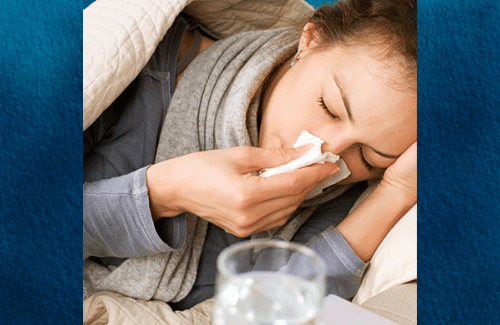
Pests are often carriers of diseases. While not all pests are harmful, many species transmit deadly viruses and bacteria that pose serious health risks. Ignoring pest infestations in their early stages can invite dangerous diseases into your home. Therefore, it is crucial to take prompt and effective action if pests start affecting your health or that of your family.
How Pests Threaten Your Health
Through Food and Water Contamination
Food and water are prime targets for pests, which can quickly breed around these sources. This leads to contamination that often results in food poisoning—a potentially life-threatening condition if left untreated. Even uncovered food left on your dining table may be exposed to pests, which can introduce harmful bacteria or viruses.
To protect your family, always store food properly and cover your water containers. Regularly inspect and clean your kitchen and dining areas to prevent pest intrusion.
By Creating Unhygienic Living Conditions
Even if pests don’t always cause direct harm, they often contribute to unhygienic environments. Pest droppings, food contamination, scratches on walls, and holes in floors or ceilings create messy and unhealthy living conditions. A property infested with pests is more prone to bacterial growth and other hygiene-related problems.
Maintaining cleanliness goes beyond regular wiping; it requires targeted pest control measures. Use pesticide solutions mixed with water when cleaning to deter pests and keep your surroundings sanitary. This proactive approach helps prevent pest-related health risks.
By Creating Entry Points for Other Pests
Pests often pave the way for additional infestations by creating tunnels, holes, or spaces through which more pests can enter. For example, rodents create burrows that serve as entry points for others, multiplying the infestation. Similarly, cockroaches breed in damp, swampy areas, which become breeding grounds for other pest species.
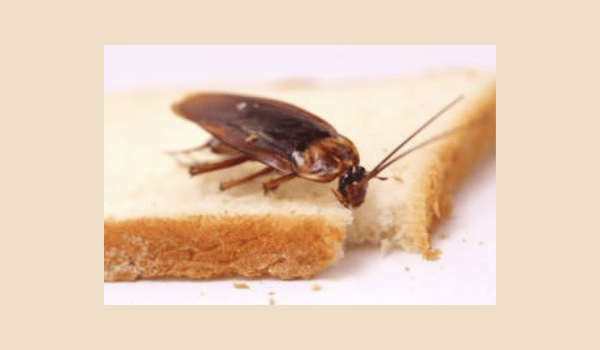
Cockroach exposure can cause skin rashes, irritation, and transmit dangerous diseases such as typhoid, dysentery, cholera, and leprosy. To minimize risk, seal cracks, fill holes, and block any potential pest entry points immediately.
By Polluting Your Environment
Pests contribute to environmental pollution in various forms. Their droppings and vomit contaminate drinking water, while large infestations produce unpleasant odors that degrade indoor air quality. The foul smell from dead pests trapped inside your home can make breathing difficult and disrupt your sleep.
Addressing pest infestations promptly prevents environmental pollution and helps maintain a healthy living space for you and your family.
By Triggering Diseases and Allergies
Pests are major sources of diseases and allergies. They can cause or exacerbate symptoms such as asthma, breathlessness, migraines, light-headedness, nausea, lethargy, skin irritation, rashes, colds, coughs, and sore eyes. Some pests also carry viruses that can be fatal if not promptly treated.
Diseases like Malaria and Typhoid remain prevalent in many regions, transmitted by pests such as mosquitoes and flies through contaminated food and water. Global food and water contamination from pests continues to be a serious public health challenge.
You can learn more about pest-related health issues at https://saelapest.com/. For additional resources on [[PLACEHOLDER_TOPIC]], please visit our Home Improvement category.
Frequently Asked Questions (FAQs)
Common disease-carrying pests include mosquitoes, rodents, cockroaches, flies, and ticks. These pests can transmit viruses, bacteria, and parasites causing illnesses like Malaria, Typhoid, Lyme disease, and more.
To prevent contamination, store food in airtight containers, keep water covered, regularly clean kitchen surfaces, dispose of garbage properly, and fix any leaks or damp spots that attract pests.
Symptoms such as unexplained skin rashes, allergic reactions, respiratory issues, frequent headaches, nausea, and persistent coughs may indicate a pest infestation affecting your health.
If you notice signs of persistent infestation—such as droppings, gnaw marks, foul odors, or sighting pests—contact a professional pest control service promptly to safely eliminate them and prevent health risks.
Yes, integrated pest management (IPM) techniques including traps, natural predators, insect-repelling plants, and organic pesticides can effectively control pests while minimizing environmental impact.