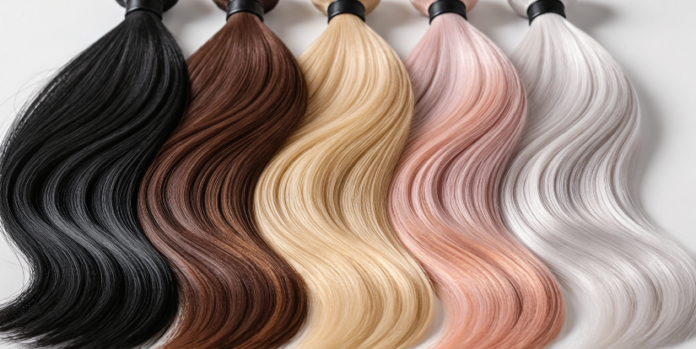
Kanekalon is a branded synthetic fiber widely used in braids, wigs, extensions, and other hair attachments. It became popular because it feels soft, braids easily, and can resemble natural hair. U.S. shoppers should also understand its material, heat limits, and current safety questions before choosing braiding hair. Direct answer: Kaneka introduced this modacrylic hair fiber in 1957 for wigs, braids, extensions, and other hair attachments. It is valued for softness, easy braiding, natural-looking texture, and hot-water setting. Recent U.S. research has also increased interest in product ingredients, manufacturing differences, and safer handling.
| Key Fact | What to Know |
|---|---|
| Material type | Synthetic modacrylic fiber |
| Manufacturer | Kaneka Corporation |
| Introduced | 1957 |
| Common uses | Box braids, twists, wigs, extensions, crochet styles |
| Main advantages | Soft texture, easy braiding, shape retention |
| Heat use | Depends on the specific finished product |
| Hot-water setting | Many products support controlled hot-water setting |
| Main concern | Chemical exposure varies among finished braiding-hair products |
| Best buying approach | Check fiber type, manufacturer guidance, and product testing |
Key Takeaways
* The fiber is a specific branded material rather than a name for every synthetic hair product. * Braiders value it for softness, low weight, workable texture, and style retention. * Many products can be sealed or curled using controlled hot water. * Direct heat limits vary, so package instructions matter. * Recent studies have found chemicals of concern across several hair-extension categories. * Testing results differ significantly between products and manufacturers. * Scalp burning, persistent itching, or swelling should never be ignored.
What Is Kanekalon Hair?
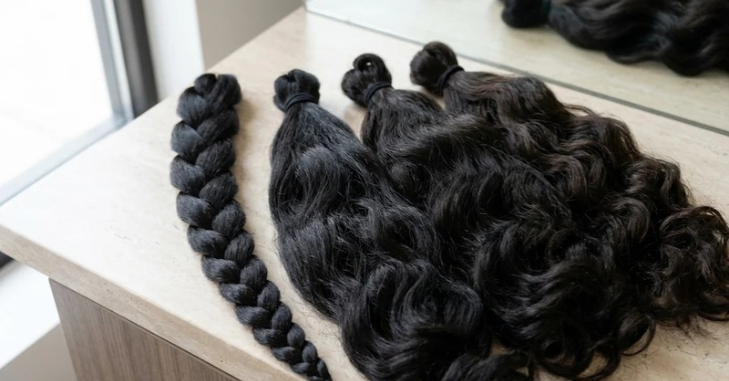
The Kanekalon fiber is a modacrylic material developed by Japanese manufacturer Kaneka. The company describes it as suitable for braids, wigs, weaves, and hair extensions. It is engineered to offer a softer and more natural appearance than many basic synthetic fibers. The brand name is sometimes used loosely for synthetic braiding hair in U.S. beauty stores. That usage can create confusion because synthetic hair includes several different materials. Buyers should check the package instead of assuming every braid pack uses the same fiber. Kaneka states that its original modacrylic product can be shaped using a hot-water setting process. This technique can curl hair or help secure braid ends. The correct temperature and method still depend on the finished product.
Why Is This Fiber So Popular for Braids?
Texture is one of its biggest advantages for braiders. The strands have enough grip to hold many protective styles without feeling excessively coarse. Their relatively light feel can also help reduce unnecessary weight during long installations. The fiber works well for box braids, knotless braids, twists, and several crochet styles. It is sold in many colors, lengths, and textures through different hair brands. Pre-stretched versions can reduce preparation time before an appointment. Cost is another major reason synthetic braiding hair remains popular. Human hair usually costs more and may require different maintenance. Synthetic fiber makes long braided styles accessible at lower price points for many consumers. Readers comparing beauty materials may also enjoy ENF Blogs’ guide to face tape and cosmetic application. Both topics show why product instructions and skin response matter. Careful product selection can improve comfort as much as appearance.
Synthetic Braiding Hair vs. Human Hair
Synthetic and human hair can create similar finished styles, but they behave differently. Synthetic strands hold manufactured textures more consistently and usually cost less. Human hair offers more styling flexibility but comes at a higher price.
| Feature | Modacrylic Braiding Fiber | Human Hair | Basic Synthetic Fiber |
|---|---|---|---|
| Typical cost | Low to moderate | High | Low |
| Texture consistency | High | Varies naturally | Varies |
| Braiding ease | Generally high | Depends on texture | Depends on fiber |
| Heat tolerance | Product specific | Usually higher | Often limited |
| Color choice | Extensive | Extensive | Extensive |
| Hot-water setting | Often supported | Usually unnecessary | Product specific |
| Natural appearance | Good | Highest potential | Quality varies |
No material automatically guarantees comfort or safety. Processing methods, dyes, coatings, contaminants, and installation practices can differ between products. A recognizable fiber name therefore should not replace checking the finished product.
Can You Use Hot Water on Synthetic Braiding Hair?
Many products made with the original modacrylic fiber support hot-water setting. Kaneka says its fiber can generally use water between 160°F and 190°F. The company also advises following instructions from the finished-product manufacturer. Hot-water setting can help seal braid ends and form curls. Water that is too hot can damage fibers and cause serious skin burns. Keep hot containers away from children and exposed skin during the process. Recent consumer guidance has also encouraged limiting unnecessary heating of synthetic hair. Heating some synthetic materials can release volatile compounds into surrounding air. Using the lowest manufacturer-approved method may reduce avoidable exposure. For broader hair-care reading, ENF Blogs also covers hair-loss treatments and hair restoration options. Protective styling should not create constant pulling around your edges. Excessive tension can contribute to breakage and traction-related hair loss.
What Recent Research Says About Braiding Hair Safety
Safety became a larger U.S. consumer issue after new testing examined chemicals in hair extensions. A 2026 peer-reviewed study analyzed synthetic and bio-based extension products from several categories. Researchers detected multiple chemicals of concern, although findings varied among samples. Consumer Reports also tested 30 additional braiding-hair products during its follow-up investigation. It reported detectable heavy metals in most samples and volatile compounds across tested products. One tested hypoallergenic synthetic product had no detectable lead, arsenic, or cadmium. Those findings do not prove that every synthetic braid causes illness. They do show that manufacturing quality and finished-product composition can differ greatly. Fiber type alone cannot tell consumers everything about a packaged braiding product. Kaneka has also published information about an independent risk assessment commissioned for its fibers. That assessment evaluated certain chemical exposures under defined use scenarios. Manufacturer-funded assessments and independent product testing should both be considered when reviewing the evidence.
Does Synthetic Braiding Hair Cause Cancer?
Current evidence does not support saying that wearing synthetic braids will cause cancer. Some tested products have contained chemicals linked with serious health concerns at certain exposure levels. Exposure risk depends on dose, duration, chemical form, and the way a product is used. Scientists continue studying chemicals found in hair extensions and related consumer products. Research has raised valid questions about heavy metals, volatile compounds, and manufacturing additives. More standardized testing would help consumers compare products with greater confidence. Avoid claims such as “chemical-free” without checking what the manufacturer means. Every physical product consists of chemical substances, including natural materials. Look instead for specific testing information and clearly defined manufacturing claims.
Why Can Braiding Hair Make Your Scalp Itch?
Some people develop itching, bumps, redness, or burning after installing synthetic extensions. Possible causes include coatings, residue, fragrance, tension, styling products, or individual sensitivity. Tight braids can also create discomfort even when the extension material causes no reaction. Mild initial tightness should improve rather than become more painful. Persistent burning, swelling, sores, or worsening redness deserves attention. Removing the style may be appropriate if symptoms continue or become severe. Anyone with significant swelling, breathing problems, or signs of severe allergy should seek medical care. A dermatologist can also evaluate repeated scalp reactions. Recurrent irritation should not be accepted as a normal part of protective styling. Clean tools also matter when working around the scalp and hairline. ENF Blogs explains practical hygiene principles in its makeup-brush cleaning guide. Similar hygiene habits can help reduce avoidable contamination across personal beauty tools.
How to Choose Better Braiding Hair
Start by reading the complete product label before buying. Confirm the listed fiber, recommended heat limits, and any processing claims. Products offering accessible testing information give shoppers more evidence for comparison. Consider pre-stretched hair when you want faster installation and tapered ends. Choose a weight that will not place excessive pressure on your natural hair. More packs do not always create a healthier or better-looking style. Patch testing may help if you have experienced previous reactions. Keep a small section against limited skin before completing a full installation. Stop testing if you notice burning, swelling, or worsening irritation. Buying from established sellers can also reduce uncertainty about labeling and storage. Avoid packages with missing manufacturer information or unexplained claims. A low price should not outweigh basic transparency about the product.
Care Tips for Braids and Synthetic Extensions
Keep your scalp clean without soaking the style more often than necessary. Use products that do not leave heavy residue around braid roots. Dry the scalp thoroughly after washing to avoid prolonged dampness. Protect long braids during sleep with satin or another smooth material. This reduces friction and can help the style remain neat. It also limits unnecessary rubbing around your hairline. Watch your natural hair while wearing any protective style. Pain, thinning edges, bumps, and broken hairs can signal excessive tension. Give your scalp recovery time between demanding installations when possible.
Is Kanekalon the Same as Every Synthetic Hair Fiber?
No. Kanekalon is a Kaneka trademark associated with specific hair-attachment fibers. Synthetic hair is a broader category that includes several different materials. Products may contain polyester, PVC-based fibers, modacrylics, blends, or other manufactured materials. Their heat response and texture can differ substantially. Always follow the instructions printed on the exact product you purchased.
The Bottom Line
Synthetic modacrylic hair remains useful because it is lightweight, affordable, and easy to braid. It also offers enough texture and color choices for many popular protective styles. Those practical benefits explain its lasting place in U.S. beauty stores. Recent safety research adds another factor to the buying decision. Consumers should consider finished-product testing, heat practices, scalp reactions, and installation tension. No single label can answer all those questions. Choose products with clear instructions and transparent manufacturing information. Treat burning, swelling, or lasting irritation as warning signs rather than normal discomfort. For more beauty and hair-care topics, explore the related guides across ENF Blogs.
Frequently Asked Questions
Is Kanekalon real human hair?
No. It is a manufactured fiber designed for hair attachments. Its texture and appearance are engineered to resemble natural hair. It can provide realistic-looking braids at a lower cost than human hair. Styling behavior still differs from natural hair. Heat limits should always come from the product manufacturer.
Is synthetic braiding hair safe to wear?
Many people wear synthetic braiding hair without reported problems. Recent testing has nevertheless identified contaminants and volatile chemicals in some finished products. Results vary considerably across brands and samples. Choose transparent manufacturers and follow heat instructions carefully. Avoid excessive tension and monitor your scalp during wear. Remove the style when persistent irritation develops.
Can you flat-iron synthetic braiding hair?
Only use a flat iron when the finished product specifically allows direct heat. Many synthetic fibers can melt, deform, or become damaged. A general fiber description does not provide a safe temperature. Check the package before applying any heated tool. Use the lowest approved setting when heat is allowed. Never assume human-hair temperature settings are appropriate.
How long can synthetic braids stay installed?
Wear time depends on the style, scalp condition, tension, and hair-care routine. Leaving a protective style installed longer does not always protect natural hair better. New growth and buildup can eventually increase tangling or stress. Monitor your hairline and scalp throughout the installation. Remove the style earlier if pain, sores, or significant breakage appears. Your natural hair’s condition should guide the schedule.
What should U.S. shoppers look for before buying braiding hair?
Look for clear fiber identification and manufacturer information first. Review heat instructions, processing claims, and independent testing when available. Avoid relying only on marketing phrases such as “natural” or “non-toxic.” Compare products rather than assuming all braid packs are equivalent. Consumer testing has shown meaningful differences among finished hair products. Better disclosure makes informed buying easier.