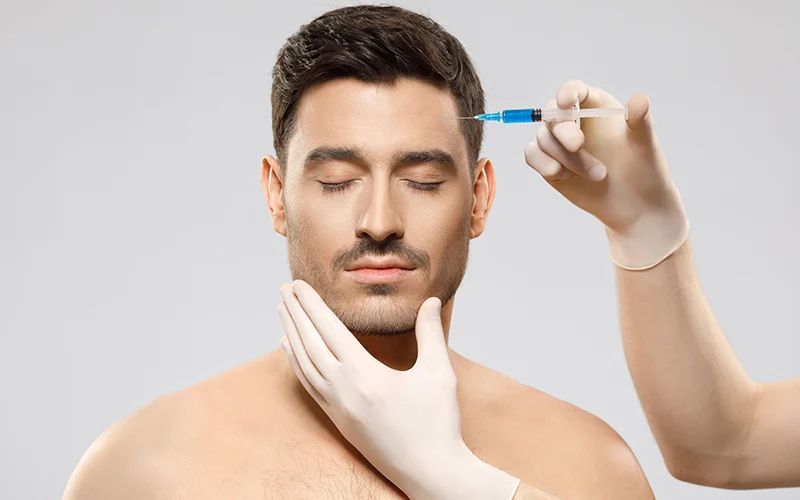
Imagine a life where even simple tasks like shaking hands or wearing light-colored clothes no longer cause anxiety due to excessive sweating. Hyperhidrosis—a chronic condition characterized by abnormal and excessive sweating—affects millions of individuals worldwide. Fortunately, an increasingly popular and highly effective treatment is available: Botox. While commonly known for reducing wrinkles, Botox also effectively treats hyperhidrosis, dramatically improving quality of life for those affected.
In this comprehensive guide, we’ll explore how Botox treats hyperhidrosis, detail the treatment process, and share what you can expect from this proven therapy. Whether you’re searching for a long-term solution or simply want to learn more, this article provides everything you need to know.
Understanding Hyperhidrosis
Hyperhidrosis is a condition characterized by the body’s production of excessive sweat beyond what is necessary to regulate temperature. It commonly affects areas such as the underarms, hands, feet, and face. While sweating is a healthy, natural process, excessive sweating can disrupt daily activities and cause significant discomfort and social anxiety.
There are two main types of hyperhidrosis:
1. Primary Focal Hyperhidrosis
This is the more common form, often affecting localized areas such as the palms, soles, underarms, or face. The exact cause is unknown but is linked to hyperactive sweat glands triggered by nerve signals.
2. Secondary Generalized Hyperhidrosis
Secondary hyperhidrosis is associated with underlying health conditions including thyroid problems, diabetes, infections, or menopause. Unlike primary hyperhidrosis, this type causes widespread sweating across the body.
Traditional treatments range from prescription antiperspirants and oral medications to surgery. Yet, Botox has emerged as a minimally invasive, highly effective alternative, especially for patients who have not seen results with other therapies.
How Botox Works for Hyperhidrosis
While Botox is widely recognized for cosmetic purposes like wrinkle reduction, it also has a unique ability to target the nerve signals that stimulate sweat glands. Botox temporarily blocks chemical signals from nerves to sweat glands, preventing excessive sweating.
Sweat Glands and Nerve Signals
Normally, the nervous system triggers sweat glands to release sweat to regulate body temperature or during stress. In hyperhidrosis, this response is exaggerated, causing disproportionate sweating. Injecting Botox into affected areas inhibits these nerve signals, essentially “switching off” overactive sweat glands to reduce perspiration.
Target Areas for Botox
The U.S. Food and Drug Administration (FDA) has approved Botox for treating excessive underarm sweating. Additionally, Botox is used off-label for other hyperhidrosis-prone areas including:
- Palms (hands)
- Soles (feet)
- Forehead
- Groin area
Treatment plans are customized based on the specific location and severity of sweating.
What to Expect During the Botox Treatment
Considering Botox for hyperhidrosis? The procedure is brief, minimally invasive, and typically well tolerated.
Initial Consultation
Your healthcare provider will assess your specific case, medical history, and suitability for Botox therapy during an initial consultation. This session is also a good opportunity to address any questions or concerns about the treatment.
The Treatment Procedure
Treatment typically involves the following steps:
- Marking the Area: The doctor marks sweat-prone zones. Sometimes, a starch-iodine test is used to identify areas with the most active sweat glands.
- Numbing the Area: For sensitive regions like palms or soles, a topical anesthetic or ice may be applied to reduce discomfort.
- Botox Injections: Using a fine needle, Botox is injected at multiple points beneath the skin targeting overactive sweat glands.
- Aftercare: There’s minimal downtime. Mild swelling or bruising may occur but usually resolves within a couple of days.
The whole procedure commonly lasts 30 to 45 minutes depending on the treatment area.
How Long Does Botox Last for Hyperhidrosis?
Botox provides long-lasting relief from excessive sweating. Typically, patients notice decreased sweating within 2 to 4 days, with full effects appearing after 1 to 2 weeks. Results last between 4 to 12 months, depending on the individual and treated area.
Repeat treatments can maintain symptom control effectively over time.
Is Botox for Hyperhidrosis Safe?
When performed by trained medical professionals, Botox is considered a safe and effective treatment for hyperhidrosis. The FDA has approved its use specifically for underarm sweating, and it is widely used off-label for other areas.
Side Effects and Risks
Side effects from Botox injections are typically mild and temporary, including:
- Minor swelling or bruising at injection sites
- Temporary muscle weakness, such as hand weakness following palm injections
- Mild pain or discomfort during the injection process
Serious complications like infections or allergic reactions are rare. Patients should always discuss their health history and any concerns with their healthcare provider prior to treatment.
Who is a Good Candidate for Botox?
Botox is ideal for individuals with primary focal hyperhidrosis who have not experienced success with conventional treatments like prescription antiperspirants or oral medications. It also appeals to those seeking a non-surgical approach to managing excessive sweating.
If you’re looking for effective hyperhidrosis treatment, aim4healthnw.com offers expert care and individualized treatment plans through their Botox specialists in Redmond, WA. Their skilled team combines experience with advanced techniques to help patients regain confidence and comfort.
However, Botox treatment may not be suitable for everyone, including pregnant or breastfeeding individuals, or those with certain neuromuscular disorders. A thorough consultation with a healthcare professional is essential.
Lifestyle Impact: How Botox for Hyperhidrosis Can Change Your Life
Beyond reduced sweating, Botox treatment can profoundly enhance social confidence and overall quality of life. No longer worrying about sweat stains, avoiding handshakes, or feeling self-conscious in social or professional settings lifts a huge burden.
Social and Psychological Benefits
Excessive sweating often leads to social anxiety and avoidance behaviors. Botox helps by restoring comfort and acceptance of one’s body. Whether presenting at work, attending social events, or simply feeling at ease, many patients experience significant mental and emotional benefits alongside physical relief.
Conclusion: Say Goodbye to Excessive Sweating with Botox
Botox has transformed hyperhidrosis treatment by providing a safe, effective, and non-invasive solution to excessive sweating. Whether you struggle with underarm, palm, foot, or facial sweating, Botox can significantly improve your daily comfort and confidence.
If excessive sweating disrupts your life, consult a qualified healthcare provider to explore if Botox is right for you. Take the first step toward a sweat-free, more confident future today.
Frequently Asked Questions (FAQs)
A: Most patients experience minimal discomfort during Botox injections. Topical numbing agents or ice can be used on sensitive areas to reduce pain.
A: Typically, you’ll notice a reduction in sweating within 2 to 4 days, with full effects visible by 1 to 2 weeks post-treatment.
A: Yes, Botox is sometimes used off-label to treat facial hyperhidrosis, but this should only be performed by experienced medical professionals due to the area’s sensitivity.
A: Botox may not be suitable for individuals with neuromuscular diseases, allergies to botulinum toxin, or those who are pregnant or nursing. Discuss your medical history thoroughly with your provider.
A: The effects typically last 4 to 12 months. Repeat treatments are needed to maintain results and manage sweating effectively.