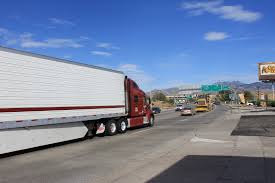
Trucking companies play a pivotal role in facilitating cross-border logistics, connecting countries, and ensuring the seamless transportation of goods across international boundaries. This article explores the essential functions and contributions of trucking companies in cross-border logistics, highlighting their significance in global trade and supply chain management.
Introduction to Cross-Border Logistics
Cross-border logistics involves the movement of goods and materials between countries, requiring efficient coordination of transportation, customs clearance, and regulatory compliance. Trucking companies are key players in this process, offering essential services that bridge geographical distances and facilitate international trade.
Functions of Trucking Companies in Cross-Border Logistics
1. Transportation Services
Trucking companies specialize in transporting goods over land, covering extensive networks and routes across borders. They offer various transportation options tailored to meet specific shipping needs, including:
- Full Truckload (FTL) Services: Dedicated truck capacity for shipping large volumes of goods without sharing space with other shipments.
- Less-than-Truckload (LTL) Services: Consolidation of multiple shipments from different customers into a single truck for cost-effective transportation.
- Specialized Services: Handling of sensitive or perishable goods, hazardous materials, and oversized freight requiring specialized equipment and handling.
2. Customs Clearance
Trucking companies manage customs clearance processes, ensuring compliance with import and export regulations:
- Documentation: Preparation and submission of customs documents, including commercial invoices, certificates of origin, and customs declarations.
- Tariff Classification: Proper classification of goods under the Harmonized Tariff Schedule (HTS) to determine applicable duties and taxes.
- Border Crossings: Coordination with customs authorities for seamless border crossings, minimizing delays and ensuring efficient clearance of goods.
3. Logistics Coordination
Trucking companies play a critical role in logistics coordination, optimizing transportation routes and schedules to meet customer requirements:
- Route Planning: Selecting the most efficient routes based on distance, time constraints, and regulatory considerations.
- Tracking and Monitoring: Utilizing advanced tracking technology to monitor shipment progress in real-time and provide customers with accurate updates.
- Warehousing and Distribution: Integration of warehousing and distribution services to support inventory management and fulfillment needs across borders.
4. Risk Management and Compliance
Trucking companies prioritize safety, security, and regulatory compliance throughout the transportation process:
- Driver Training: Continuous training programs for drivers to enhance safety awareness and compliance with transportation regulations.
- Cargo Security: Implementation of security protocols and measures to protect shipments against theft, damage, or loss during transit.
- Environmental Sustainability: Adoption of eco-friendly practices and technologies to minimize carbon footprint and promote sustainable logistics operations.
Importance of Trucking Companies in Global Trade
Trucking companies play a crucial role in facilitating global trade and economic development:
- Facilitating Trade Flows: Enabling the movement of goods between countries, supporting international commerce and economic growth.
- Supply Chain Efficiency: Enhancing supply chain efficiency by providing reliable transportation solutions and minimizing transit times.
- Market Access: Providing businesses with access to international markets, expanding market reach and opportunities for growth.
Challenges and Innovations in Cross-Border Logistics
Despite their critical role, RoadLINX trucking company face challenges such as regulatory complexities, border congestion, and fluctuating fuel costs. To address these challenges, industry innovations include:
- Digitalization: Adoption of digital platforms for streamlined logistics management, automated processes, and enhanced customer visibility.
- Intermodal Transportation: Integration of multiple transportation modes, such as rail and ocean freight, to optimize supply chain efficiency and reduce costs.
- Collaborative Partnerships: Forming strategic alliances and partnerships to improve network coverage, service capabilities, and operational resilience.
Conclusion
Trucking companies are indispensable in cross-border logistics, playing a fundamental role in connecting countries, facilitating trade, and ensuring the efficient movement of goods across international borders. By providing essential transportation services, managing customs clearance, optimizing logistics operations, and prioritizing compliance and safety, trucking companies contribute significantly to global supply chain management and economic prosperity. As the global economy continues to evolve, trucking companies will play a crucial role in adapting to new challenges, embracing innovations, and supporting sustainable growth in cross-border trade and logistics.
Apart from that, if you are interested to know about Leading Trucking Companies in Canada then visit our Business category.