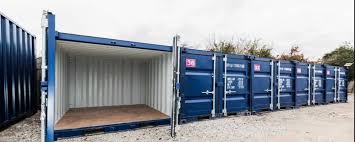
Storage needs can vary widely, from temporary solutions during a move to long-term options for business inventory or seasonal items. When traditional storage units fall short, storage trailer rentals offer a flexible and practical alternative. Understanding how to find the right storage trailer for your specific needs can help maximize efficiency and ensure your belongings are kept safe. This article will explore essential tips for selecting the perfect storage trailer rental for your requirements.
Why Consider Storage Trailer Rentals?
Storage trailer rentals provide a mobile and versatile storage solution that can be placed directly at your location. They are especially beneficial for:
- Moving: They offer temporary storage during transitions.
- Business: Ideal for extra inventory, equipment, or seasonal items.
- Events: Perfect for storing supplies for festivals, fairs, and other large gatherings.
- Construction: Useful for storing tools and materials on-site.
Their mobility and flexibility make storage trailers an attractive option compared to stationary storage units.
Assessing Your Storage Needs
Before diving into the options available for storage trailer rentals, it’s important to thoroughly assess your storage needs:
- Volume of Items: Estimate the total volume of items you need to store. This will help determine the size of the trailer you require.
- Type of Items: Consider the nature of the items. Are they fragile, bulky, or require climate control?
- Duration: How long do you need the storage trailer? This can influence the rental terms and conditions.
- Accessibility: Will you need frequent access to your items, or will they be stored for a long period without retrieval?
By clearly defining these factors, you can narrow down the type of storage trailer that best suits your needs.
Types of Storage Trailers
Storage trailers come in various types and sizes, each designed to cater to different storage requirements:
- Standard Storage Trailers: These are the most common type, offering a good balance between space and cost. They are suitable for general storage needs, such as household items, furniture, and business inventory.
- High-Cube Storage Trailers: These trailers provide extra height, making them ideal for storing taller items or maximizing vertical storage space. They are particularly useful for businesses with large equipment or inventory that requires more headroom.
- Climate-Controlled Storage Trailers: If you need to store items sensitive to temperature and humidity, climate-controlled trailers are the best choice. These trailers maintain a stable internal environment, protecting delicate items such as electronics, artwork, and perishable goods.
- Refrigerated Storage Trailers: Specifically designed for storing perishable goods, these trailers keep a consistent, cold temperature, making them perfect for the food and beverage industry or medical supplies.
Choosing the Right Size
Selecting the right size for your storage trailer rental is crucial to ensure you have enough space without overpaying for unused capacity. Storage trailers typically range from 28 to 53 feet in length. Here are some general guidelines:
- 28 to 40 feet: Suitable for smaller loads, such as household moves, small business inventory, or event supplies.
- 40 to 53 feet: Ideal for larger loads, including construction materials, large equipment, and extensive business inventory.
When in doubt, it’s often better to opt for a slightly larger trailer to avoid cramming and potential damage to your items.
Key Features to Consider
When evaluating storage trailer rentals, consider the following features to ensure you select the best option for your needs:
- Security Features: Look for trailers with robust locking mechanisms to protect your belongings from theft. Some trailers also offer advanced security features such as GPS tracking and alarm systems.
- Accessibility: Consider how easy it is to load and unload items. Features such as ramp doors, side doors, and adjustable loading heights can significantly enhance accessibility.
- Durability: Ensure the trailer is made from high-quality, durable materials that can withstand various weather conditions and protect your items from the elements.
- Ventilation: Proper ventilation is essential to prevent moisture buildup and protect your items from mold and mildew. Check if the trailer has adequate ventilation options.
- Mobility: If you need to move the trailer frequently, consider its mobility features. Some trailers come with wheels and can be easily transported, while others may require specialized equipment for relocation.
Rental Terms and Conditions
Understanding the rental terms and conditions is crucial when choosing storage trailer rentals. Here are some key aspects to consider:
- Rental Period: Determine the minimum and maximum rental periods offered. Some companies offer flexible month-to-month rentals, while others may require longer commitments.
- Cost: Compare rental costs from different providers, including any additional fees for delivery, pickup, and maintenance. Ensure there are no hidden charges that could inflate the overall cost.
- Insurance: Check if the rental company offers insurance coverage for the trailer and its contents. If not, consider obtaining your own insurance to protect your items.
- Maintenance: Understand the maintenance responsibilities. Some rental companies provide regular maintenance services, while others may require you to handle it.
- Customer Support: Ensure the rental company offers reliable customer support, especially if you encounter any issues with the trailer during the rental period.
Preparing Your Items for Storage
Once you’ve selected the right storage trailer rental, it’s time to prepare your items for storage:
- Inventory List: Create a detailed inventory list of all items being stored. This will help you keep track of your belongings and facilitate easy retrieval.
- Proper Packing: Use high-quality packing materials such as sturdy boxes, bubble wrap, and packing paper to protect your items. Label each box clearly with its contents.
- Disassemble Large Items: Disassemble large furniture and equipment to save space and make loading easier. Keep all screws and small parts in labeled bags.
- Strategic Loading: Load heavier items first and place them at the bottom. Utilize vertical space by stacking boxes and using shelves if available. Ensure that frequently needed items are easily accessible.
Conclusion
Storage trailer rentals provide a flexible, secure, and convenient solution for a wide range of storage needs. By carefully assessing your requirements, choosing the right type and size of trailer, and considering essential features and rental terms, you can find the perfect storage trailer to fit your needs. Proper preparation and packing will ensure that your items are stored safely and efficiently, allowing you to make the most of your storage space. Whether for personal or business use, renting a storage trailer can be a practical and cost-effective way to manage your storage challenges.
Apart from that, if you are interested to know about Immigration Options for Entrepreneurs then visit our Business category.