
A subpoena shows up in your mail. It wants ten years of bank records, and it gives you two weeks. You do not have to just hand them over, because a judge can quash the thing, which is legal shorthand for wiping it out. Our guide to Voluntary Departure from Canada covers this in more detail.
To quash is to void a legal step and treat it as if it never happened. Courts use the word for subpoenas, summonses, warrants, indictments, and garnishments. Someone affected files a written motion, names a defect such as bad service or an unreasonable demand, and a judge decides. Nothing about the underlying case ends automatically.
Key takeaways
- Quashing voids one piece of a case. It does not end the case.
- The usual targets: subpoenas, service of process, bench warrants, wage garnishments and, in some states, indictments.
- Federal subpoena fights run on Rule 45, with a 14-day objection window and a 100-mile travel limit.
- Winning rarely settles anything for good, because the other side can often fix the defect and try again.
- Dismissing, vacating, staying, and overturning are different tools. Mixing them up costs people deadlines.
Where this actually shows up
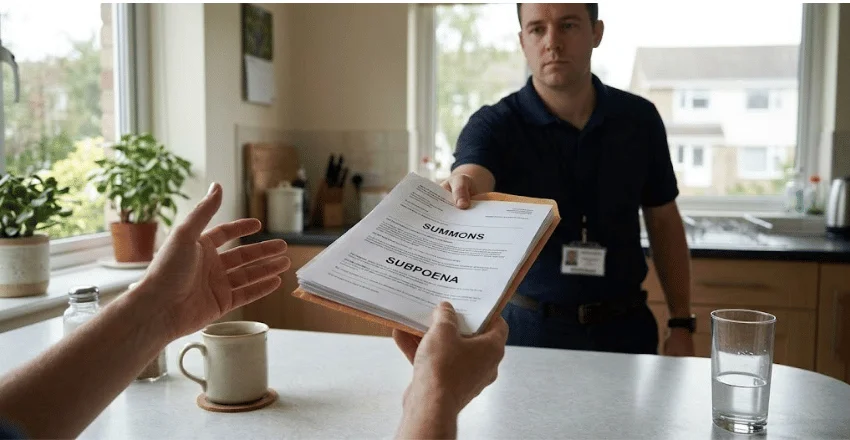
Most people encounter this word in a paper they never asked for.
A process server hands you a summons at the wrong address. Some collection agencies start taking a portion of your paycheck. Or a lawyer you have never heard of demands your text messages because you happened to witness something.
Crash cases are the big one. Say a driver rear-ends you in a 2022 Kia Stinger. Their insurer then subpoenas five years of your medical files, not just the treatment after the wreck. That overreach is the classic setup for a challenge.
| What gets challenged | Who usually files | Typical reason |
|---|---|---|
| Subpoena for records or testimony | The person or business holding the records | Overbroad, privileged, or too burdensome |
| Service of process | The defendant | Papers never reached them, or the court has no power over them |
| Bench warrant | The defendant, usually through an attorney | Missed date with a real excuse, or a clerical error |
| Wage garnishment | The debtor | Exempt income, wrong amount, or a debt already cleared |
| Indictment (state courts) | The defendant | Defective charging document or a grand jury problem |
Motion to Quash: Who Files It, and by When
Anyone the paper genuinely burdens can ask. That includes people who are not parties to the lawsuit at all, which surprises most first-timers.
Businesses land in this spot constantly. Take a vendor like an enterprise SEO agency, which may face a demand for a client’s campaign records without ever joining the case.
Timing is where people lose.
According to Federal Rule of Civil Procedure 45, published by Cornell’s Legal Information Institute, a written objection comes due fast in federal court. You have until the compliance date or 14 days after service, whichever comes first. The same rule caps travel at 100 miles from where you live, work, or regularly do business.
You also have to pick the right courthouse. For a federal subpoena, the motion goes to the court in the district where compliance is required, not the court running the lawsuit. People file in the wrong place and lose a month.
State rules vary widely, and they are the ones that apply to most readers.
California is strict here. Defendants there must challenge service on or before the last day to respond to the complaint. That hearing must occur within 30 days of filing the notice. Miss that window, and you may have accepted the court’s power over you without meaning to. Elsewhere on the site: Manifest Content Definition.
Grounds judges take seriously.
You cannot quash a subpoena just because it annoys you. Judges want a defect they can name and check. These are the ones that carry real weight:
- Improper service. The papers went to an old address, or a roommate signed for them when the rules required personal delivery.
- No jurisdiction. The court has no authority over that person or that dispute.
- Overbreadth. The request sweeps in years of unrelated material.
- Undue burden. Compliance would cost thousands of dollars or weeks of staff time.
- Privilege. The material covers attorney-client talks, medical care, or a reporter’s sources.
- Geography and timing. The demand ignores the travel limit or sets an impossible deadline.
Granted, denied, or trimmed
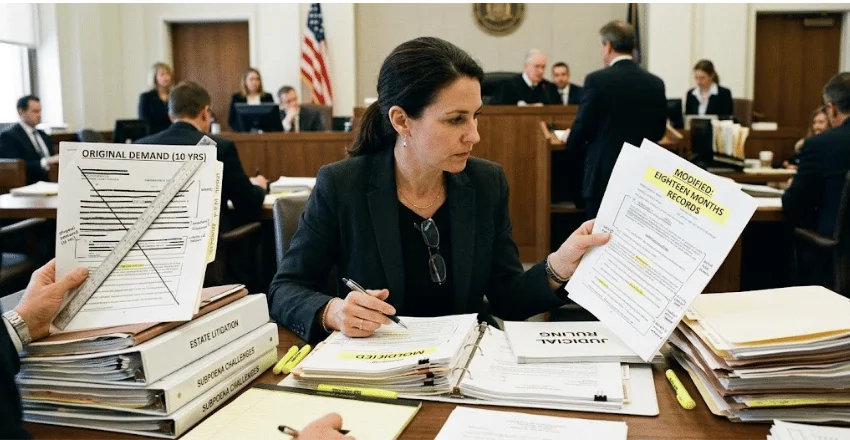
There are three outcomes here, not two.
Judges can void the demand, refuse to touch it, or narrow it, and narrowing wins more document fights than either extreme. Ten years of records might be reduced to eighteen months, which is often all you wanted.
Estate litigation shows why a win is often temporary. Heirs argue for years over what a person truly owned, and a figure like Johnny Cash’s net worth is exactly what a records demand chases. Knock out one subpoena and a cleaner one usually follows within weeks.
Denial is not the end either. You can still object on the grounds of privilege, ask for a protective order, or negotiate a smaller production. Ignoring the paper is the one move that reliably backfires, since contempt brings fines or, rarely, jail.
How long does any of this take? Straightforward subpoena challenges often draw a ruling in two to six weeks, depending on the judge’s calendar. Contested ones, with full briefing and a hearing, can run for three months. Emergency requests move faster when the compliance date is days away.
- Granted: the demand is void, and the clock stops for now.
- Modified: you comply with a smaller version of it.
- Denied: comply, appeal, or risk contempt.
Quashed vs dismissed vs vacated vs stayed vs overturned
This is where most explainers stop, and it is the part that costs people money. Five words, five different targets. The difference is not academic, because each one has its own motion, its own court, and its own deadline.
| Term | What it hits | Who does it | Everyday example |
|---|---|---|---|
| Quashing | One step or document inside a live case | Trial judge | A subpoena for your phone records dies |
| Dismissing | The whole claim or charge | Trial judge | The lawsuit itself ends |
| Vacating | An order or judgment already entered | The court that entered it | A default judgment against you disappears |
| Staying | Nothing. It only pauses things | Trial or appeals court | An eviction pauses during an appeal |
| Overturning | A lower court’s decision | Appeals court | An appeals panel reverses a guilty verdict |
Warrants, tickets, garnishments and indictments
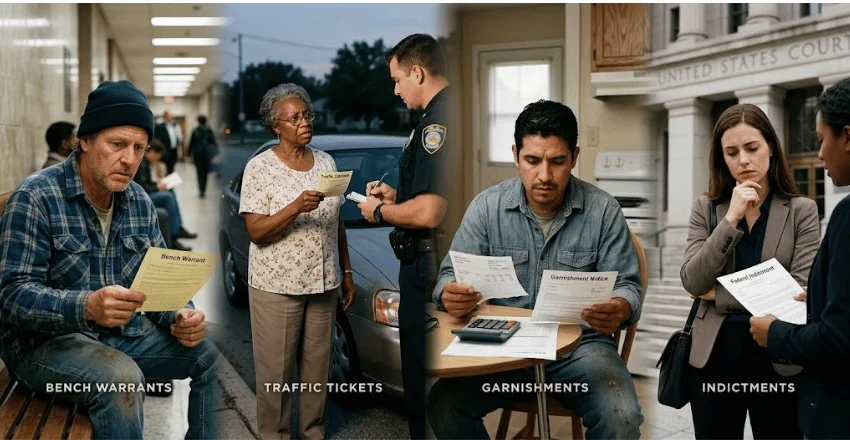
Bench warrants feel the most personal. Miss a court date and a judge issues one, and it sits there until you deal with it. Your attorney files a motion, you show up, and the judge either recalls the warrant or leaves it standing. Many courts now use “recall” rather than the older term, and the paperwork looks the same.
Traffic tickets are the myth.
People say they got a ticket quashed. What usually happened was a dismissal, a plea to a lesser offense, or a diversion class. Most states have no special ticket-killing motion at all, and the word is street talk rather than a real remedy.
Garnishment is the money version, and the numbers matter here. Federal law protects a floor of weekly take-home pay. The US Department of Labor reports that floor as $217.50 for ordinary debts, which is 30 times the federal minimum wage. If your employer withholds more than the law allows, or you already cleared the debt, a judge can wipe the writ out.
Indictments are where the vocabulary splits hardest. Federal court no longer has this motion at all. Rule 12 of the Federal Rules of Criminal Procedure swept away pleas in abatement, demurrers, and quashing motions, so a federal defendant files a motion to dismiss instead. Plenty of states kept the older name, including Louisiana and Texas, whose codes still spell out the grounds under that heading.
What to do next
Read the paper twice and write down two dates: the compliance date, and the day someone handed it to you. Those two dates decide most of your options. Then look up your state’s rule number, because the deadline in your court is probably not the federal one.
One honest note. This is general information, not legal advice about your own situation. A local attorney can usually tell you in ten minutes whether you have a real defect or just a bad week.
Frequently asked questions
Weeks, usually. Simple subpoena fights often get a ruling in two to six weeks. Complex ones with briefing and a hearing can run three months or longer. Ask the clerk about the judge’s motion calendar, since that single fact drives your timeline more than the merits do.
Not legally, no. Self-represented people file these all the time, and legal aid offices publish free forms for garnishment and service challenges. The catch is that judges expect a specific rule citation and a clean factual story. A one-hour consultation often pays for itself.
Sometimes. If your own private records sit in a third party’s files, such as your bank or your doctor, many courts let you object on privilege or privacy grounds. You may need a protective order rather than a direct challenge. Rules differ by court, so check yours before the deadline runs.
Contempt, in the worst case. A judge can impose fines, order you to pay the other side’s attorney fees, or, in rare cases, order jail. Ignoring a summons is worse. The plaintiff can take a default judgment against you while you never set foot in the courtroom.
No, and this trips people up constantly. Voiding a subpoena or a summons removes one obstacle. The lawsuit, or the charge behind it, keeps going unless a separate motion knocks it out too.