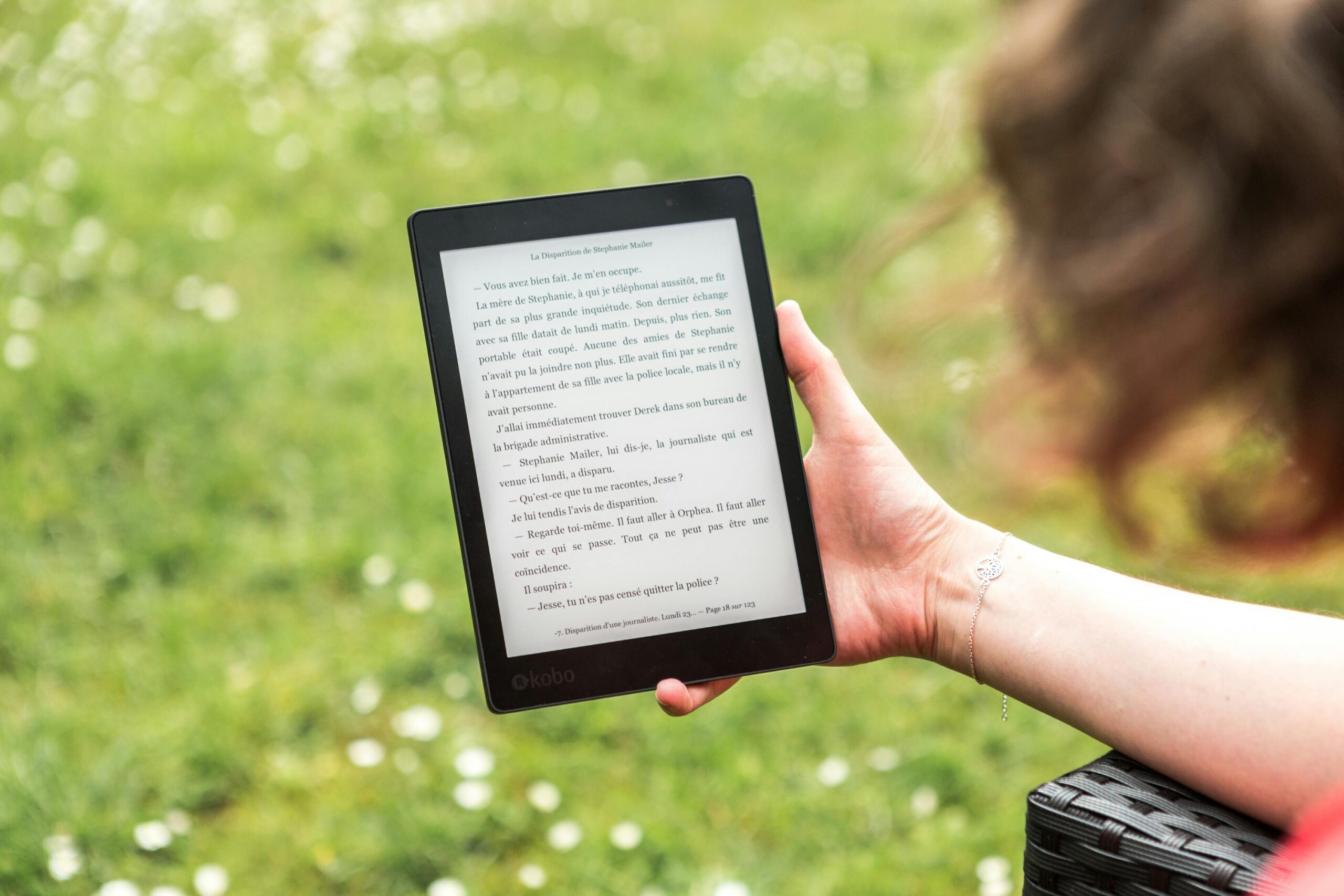
Reading has never been a one-size-fits-all experience. For some, it means running fingers across braille dots or listening to words read aloud during their commute. Others rely on custom fonts or high-contrast screens just to make out the lines. Traditional printed pages offer little flexibility. In contrast, e-books adapt to meet the reader’s needs—not the other way around. This transformation is more than a convenience; it’s a revolutionary shift that enhances accessibility for all.
Z-lib works seamlessly alongside Library Genesis and Open Library to provide niche content often hard to find in conventional bookstores or mainstream digital platforms. These e-libraries offer flexible formats that accommodate diverse needs, whether it’s through dyslexia-friendly fonts or adjustable screen colors. As accessibility technologies continue to improve, the divide between different types of readers narrows. What was once considered a luxury is now essential to inclusive design and equal access to knowledge.
Breaking Barriers With Format Flexibility
The world of print once presented significant barriers for people with visual impairments or reading disorders. E-books have demolished those obstacles. Instead of struggling to locate a large-print edition, visually impaired readers can simply resize text or switch to audio with a tap. Even small adjustments like changing the font style or background color bring the joy of reading within reach again.
This newfound control empowers readers. Screen readers now sync seamlessly with e-book formats, providing a smoother, more intuitive experience. Text-to-speech technology has evolved from robotic monotones to natural, expressive voices. For individuals with learning differences such as dyslexia, these enhancements transform reading from a daunting task into an enjoyable personal journey—one paragraph at a time.
Inclusive Features That Are Changing the Game
Customization is not a gimmick; it’s the driving force behind truly inclusive reading. Beyond adjusting text size and layout, leading platforms now include features like real-time translation and voice-activated search. These tools are invaluable for people reading in their second language or those who find typing challenging. They shift the focus away from decoding letters toward engaging meaningfully with ideas.
Public schools and community centers have taken notice. Tablets preloaded with accessible e-books are increasingly common in classrooms where printed books often go unused. Children who once struggled to keep pace due to visual or learning challenges now actively participate in discussions. The stories remain the same; it’s the path to accessing them that has evolved.
Here Is Where These Innovations Really Make an Impact:
- Natural-sounding Text-to-Speech Functions
Modern e-readers feature voices that sound far more natural than the mechanical tones of the past. They offer smooth pacing, nuanced tone shifts, and expressive reading styles that help people with vision loss or cognitive processing challenges follow along comfortably. These functions also support multitasking, benefiting busy readers balancing work, family, and study.
- Dyslexia-Friendly Settings Beyond Just Font
The right font is just one part of improving readability. Adjustments to line spacing, background color, and page layout significantly enhance reading flow. Many platforms now save these preferences and apply them automatically with each new book, creating a consistent, frustration-free experience that builds reader confidence over time.
- Offline Access for Rural and Low-Income Communities
Internet connectivity remains limited or expensive in many areas worldwide. E-book platforms offering download options break down these barriers entirely. Once a book is downloaded, it becomes an accessible resource that doesn’t rely on Wi-Fi or costly data plans—bringing knowledge to communities often overlooked by traditional systems.
These tools are not mere perks; they are essential turning points. The beauty is they integrate effortlessly into everyday devices like smartphones and tablets. No specialized equipment is necessary—just the desire to read and the means to begin.
A Quiet Revolution in Public Access
Libraries have transformed drastically in recent years. Their shelves now extend into the digital realm, vastly increasing their reach. E-books enable public libraries to serve communities beyond physical boundaries. Someone living miles from the nearest city can borrow novels or research materials without stepping onto a bus.
This transformation matters more than it seems. Isolation can be intellectual as well as social. When reading becomes accessible, it invites people to reconnect with the world of ideas. Shared stories build bridges, and access to knowledge sparks progress. Today, a digital library card connects readers across countries and social classes. The book remains the bridge—only now, the bridge is wider and more inclusive.
A Future That Reads Everyone In
Inclusion is not an optional add-on; it’s the heart of reading itself. E-books increasingly embody this principle in both subtle and groundbreaking ways. From enhanced screen-reader compatibility to offline access, the emphasis is shifting from rigid formats to user-focused functionality. This technology listens more and demands less from its users.
Challenges remain—language barriers persist, and some formats are still catching up. However, every step forward opens the door a little wider. E-books are no longer just another way to read; they are why more people can read today.
For more information about How Application Performance Monitoring Helps You Spot Issues Early, visit our dedicated Technology category.
Frequently Asked Questions (FAQs)
E-books offer customizable features such as adjustable font sizes, dyslexia-friendly fonts, high-contrast modes, text-to-speech options, and compatibility with screen readers. These features make reading easier and more enjoyable for people with visual impairments, learning disabilities, or other challenges.
Many e-book platforms support offline access by allowing users to download books directly to their devices. This is especially beneficial for readers in rural or low-income areas with limited internet connectivity.
Yes, some e-book platforms offer real-time translation and voice search features that support second-language readers, enabling a more inclusive reading experience.
No, most accessible e-books can be read on standard devices like smartphones, tablets, and computers, making it convenient for everyone to benefit from these technologies without additional equipment.
Many schools and libraries now provide tablets and e-readers loaded with accessible e-books to promote inclusive learning. This approach helps students with diverse needs engage more fully with educational materials and encourages reading participation.