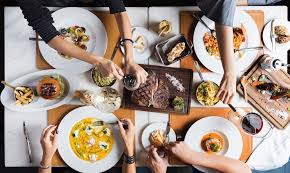
Finding a balance between work, life, and personal interests can be challenging in the fast-paced modern world. One of the most fulfilling ways to connect with oneself and others is through the creation and enjoyment of food. Culinary experiences provide an outlet for creativity, stress relief, and socializing, making them a multifaceted component of a healthy lifestyle.
The Importance of Creative Outlets in Modern Life
As individuals strive to achieve professional goals, the importance of leisure and creative outlets becomes clear. Often called the home’s heart, the kitchen provides a sanctuary for creative exploration. Whether it’s the rhythmic chopping of vegetables or the art of plating a dish, these actions offer a meditative escape from the chaos of everyday life. Research suggests cooking can foster mindfulness and relieve stress, contributing to overall mental wellness. Additionally, the ritual of preparing a meal encourages the development of patience and precision, the rewards of which are tangible and immediate in the form of delicious, nourishing meals.
Understanding Social Cooking Events
Contemporary society often revolves around individual accomplishments and digital interactions, yet there’s a growing trend toward in-person, communal experiences centered on food. Social cooking gatherings are pillars of the community, providing a setting for people to interact, share knowledge, and express their passion for food. From hands-on NYC pasta-making class to festive food fairs, each event nurtures community spirit and encourages collaboration. Studies show that social behaviors, including cooperative cooking, can considerably increase satisfaction and interpersonal closeness, reinforcing the human need for social connection.
Culinary Skill-Building: A Lifelong Journey
Gaining proficiency in the culinary arts is not achieved overnight; it is a continuous journey of discovery and refinement. Beginning with basic techniques, such as understanding how to balance flavors and the nuances of timing, aspiring cooks can gradually take on more complex recipes and presentations. The internet offers many tutorials and forums where enthusiasts can exchange tips and seek advice, creating an accessible avenue for culinary education. These skill-building activities enhance personal capabilities and provide a sense of achievement as new milestones are reached in the kitchen.
Exploring World Cuisines: A Gateway to Cultural Experience
The cuisine reflects history, geography, and tradition. Exploring world cuisines offers an insightful glimpse into the essence of different cultures, promoting an appreciation for diversity and inclusivity. For example, unearthing the layered flavors of a Moroccan tagine tells a story of spice trade routes, while crafting sushi at home can connect us to Japanese customs of precision and respect for ingredients. Such culinary adventures satisfy our taste buds and educate and broaden our perspectives on the world.
From Farm to Table: The Journey of Ingredients
An ingredient’s journey from farm to table is laden with stories and ecological footprints that are often overlooked. Recognizing the origins of food(the local farmers’ markets and the hands that nurture crops)can imbue a sense of gratitude and connection with the local environment. Making locally produced foods a priority also emphasizes boosting regional economies and lowering carbon emissions related to long-distance food transportation. This mindful approach to ingredient selection not only influences the freshness and flavor of a dish but also contributes to a more sustainable lifestyle.
Impact of Food on Social Interactions
The relationship between food and society runs deep. Meals have traditionally functioned as a social glue, bringing people together and serving as a medium for cultural exchange and communal bonding. In numerous cultures, sharing a meal signifies hospitality and friendship. Even in a corporate context, business lunches and team dinners facilitate conversation and build rapport among colleagues. Cooking with and for others fosters a sense of belonging and can often bridge social divides, creating a universal language understood by all.
Nurturing Relationships Through Homemade Meals
Home-cooked meals carry a personal touch that cannot be replicated in a restaurant. Whether it’s a family gathering or a romantic dinner for two, the preparation and sharing of food can reinforce interpersonal connections. Planning and executing a successful dinner party can be as significant as the event, nurturing bonds and creating lasting memories. When a dish is made from scratch, it often gives the recipient a deep sense of being cared for, enhancing the underlying relationship.
Technological Advances in the Culinary World
As we navigate the 21st century, technology has become an integrated part of the culinary experience. Advanced equipment and apps are revolutionizing how we store, prepare, and cook food. Smart ovens that follow recipes autonomously, apps that customize shopping lists, and video tutorials that guide you through complex dishes are just the tip of the iceberg. Keeping pace with these technological advancements saves time and energy and expands the scope of what can be achieved in a home kitchen.
Health and Nutrition: Cooking for Wellness
One of the most compelling reasons to cook at home is its control over ingredients and cooking methods, which are vital factors when aiming for a balanced diet. The meal planning and preparation process enables individuals to make conscious decisions about nutrition and portion sizes. A better lifestyle where meals are about fullness and nourishing the body and mind might result from this insight. The knowledge gained from cooking healthfully is empowering, giving home chefs the tools needed to maintain their well-being and that of their families.
Apart from that if you want to know about Essential Insights on Choosing then please visit our Food Category