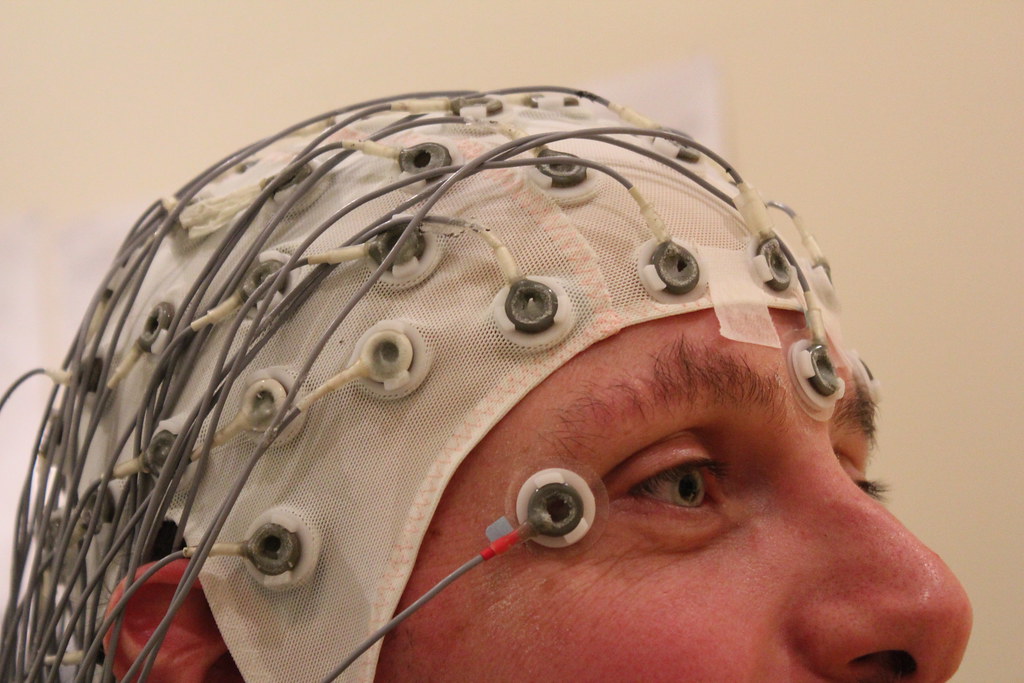
Does the idea of psychological testing make you nervous? You’re not alone. Many people feel intimidated at the thought of undergoing psychological evaluations, but understanding what they entail can ease your mind. Let’s dive into what psychological testing and assessment are, how they work, and why they’re beneficial.
What Are Psychological Testing and Assessment?
Think of psychological testing and assessment as the mental health equivalent of medical tests. When you go to a doctor with a physical complaint, they might order blood tests or X-rays to diagnose the issue. Similarly, psychologists use a variety of tests and assessment tools to understand your mental health and behavior. These evaluations help them diagnose conditions and develop effective treatment plans tailored to your needs.
Why Would You Need Psychological Testing?
Psychological testing isn’t just for severe mental health issues. It’s a tool used for various reasons, such as:
- Children with Learning Challenges: If a child struggles in school, tests for learning disabilities or aptitude tests can pinpoint the problem. For instance, tests measuring memory, reaction time, and dexterity can help diagnose conditions like dyslexia or ADHD.
- Adults Facing Work or Relationship Issues: Psychological assessments can reveal underlying issues such as anxiety, depression, or interpersonal skill deficits that might be affecting your performance or relationships.
- Neuropsychological Concerns: For conditions like brain injuries or dementia, specific tests can measure cognitive functions to aid in diagnosis.
Breaking Down Tests and Assessments
The Components of Psychological Evaluations
Testing and assessment, while related, are distinct processes in psychological evaluation.
- Testing: This involves standardized tests, often called norm-referenced tests, which compare your performance to a representative sample. For example, a reading ability test for a child compares their scores with those of peers.
- Assessment: This is a broader process that includes various methods such as interviews, observations, and reviews of personal history and records. It helps provide a comprehensive picture of your mental health.
Types of Tests and Their Purposes
Psychological tests can be formal (like questionnaires and checklists) or informal (like interviews and surveys). Here are some examples:
- Norm-Referenced Tests: These are standardized tests developed and evaluated by researchers. They measure specific traits or disorders effectively. For instance, a reading ability test for children evaluates their skills against a norm group.
- Clinical Interviews: These involve direct conversations between the psychologist and the patient, offering insights into the patient’s thoughts, feelings, and behavior. Interviews with people close to the patient can also be valuable, provided there’s consent.
Seeing the Full Picture
Combining tests and assessments helps psychologists understand your strengths and limitations thoroughly. This comprehensive approach ensures they can diagnose any issues accurately and devise the best treatment plans.
The Role of Psychologists
Psychological tests aren’t generic. Each patient gets a customized set of assessments based on their specific needs. Only licensed clinical psychologists are qualified to administer these tests and interpret the results.
Some psychologists focus solely on evaluations, referring patients to other specialists for treatment. Others provide both assessment and therapy, offering a continuum of care from diagnosis to treatment.
What to Expect During Psychological Testing
Psychological testing is not about passing or failing. It’s about understanding your unique psychological profile. Here’s what you can expect:
- No Need to Study: Trying to prepare for these tests can backfire. Instead of helping, it can lead to inconsistent results, making it harder for psychologists to diagnose and treat you accurately.
- Relax and Be Honest: The best approach is to be yourself. The tests are designed to capture your genuine behavior and mental state.
Addressing Common Concerns
It’s natural to have questions or concerns about psychological testing. Let’s discuss a few:
- Is Psychological Testing Scary? Not at all. Think of it as a detailed conversation where the psychologist uses various tools to understand you better. The goal is to help you, not to judge you.
- What If I Don’t Like the Results? The results are a starting point for your journey to better mental health. Understanding any issues is the first step to addressing them effectively.
- How Long Does It Take? The duration varies depending on the type and number of tests required. Some assessments might take a couple of hours, while others could take longer.
The Benefits of Psychological Testing
Psychological testing offers numerous benefits. It provides clarity on various issues, whether they’re related to learning disabilities, emotional disorders, or cognitive impairments. With accurate diagnosis, you can receive targeted treatment, improving your overall well-being.
Real-Life Applications
Consider a few scenarios where psychological testing makes a significant difference:
- In Schools: Teachers and parents often notice when a child isn’t performing well academically. Psychological testing can identify if the child has a learning disability, needs special education services, or might benefit from different teaching strategies.
- In Workplaces: Employees struggling with job performance might not just be facing skill issues. Psychological assessments can uncover underlying problems like stress, depression, or lack of interpersonal skills, leading to better support and interventions.
- In Legal Settings: Assessments are used to determine competencies, such as if someone is fit to stand trial or if they have experienced trauma that affects their behavior.
Taking the First Step
If you believe psychological testing might be beneficial for you or a loved one, the first step is to consult a licensed psychologist. They will guide you through the process, explaining what tests are needed and what they aim to discover.
Embracing Psychological Testing
Psychological testing and assessment are valuable tools in the realm of mental health. They offer a pathway to understanding complex issues, guiding effective treatment, and ultimately improving the quality of life.
So, the next time you hear about psychological testing, remember that it’s not something to fear. Instead, see it as a positive step towards gaining deeper insights into your mental health and well-being. If you have more questions or are curious about specific aspects of psychological testing, let’s discuss them. Your journey to better mental health starts with understanding and embracing these essential tools.
Thallo Health offers comprehensive mental health assessments for family building, simplifying the process with their expert psychological testing and assessment services. Discover more in ‘Demystifying Psychological Testing and Assessment’ at www.thallohealth.com.
Apart from this, if you are interested to know more about Taking Advantage of Cannabis Delivery Options then visit our Health category